




It is difficult to reconcile the passage of a quarter-century with the vividness of memory. For many, the tragedy of September 11, 2001, feels like a static image in the mind—a moment frozen in time that remains as piercingly sharp today as it was twenty-five years ago. Yet, as we move through 2026, we find ourselves working alongside a generation of adults who were either toddlers or not yet born when the sky over New York, Washington, and Pennsylvania turned to smoke and sorrow.
This generational shift serves as a stark reminder: memory is not a static inheritance; it is a responsibility. To ensure that the lessons of that "day of infamy" remain potent, we must revisit the tragedy, not merely to mourn, but to understand why we must remain vigilant against those who continue to threaten the foundations of our way of life.
The Morning the World Changed: A Chronology of Horror
September 11, 2001, began with the banality of a standard business trip for many. I was in Chicago, preparing for an annual sales conference. The atmosphere was one of professional camaraderie—a group of colleagues anticipating the hard work and social rituals of a corporate gathering.

The transition from normalcy to catastrophe was instantaneous. At a local Starbucks, the collective mood shifted as news reports flickered to life. The initial narrative—a vague, tragic aviation accident—quickly dissolved as the scale of the coordinated assault became clear.
The Timeline of Destruction
- 8:46 AM: American Airlines Flight 11 crashes into the North Tower of the World Trade Center.
- 9:03 AM: United Airlines Flight 175 strikes the South Tower, confirming to a horrified nation that this was not an accident, but a calculated act of war.
- 9:37 AM: American Airlines Flight 77 impacts the Pentagon.
- 9:59 AM: The South Tower collapses.
- 10:03 AM: United Flight 93 crashes in Shanksville, Pennsylvania, after passengers heroically revolted against their hijackers, preventing a strike on the U.S. Capitol.
- 10:28 AM: The North Tower collapses.
For those of us caught in the epicenter of the corporate world, the day was marked by frantic phone calls, the breakdown of communication networks, and the dawning realization that the world had fundamentally altered. I remember the shock of colleagues who had loved ones in the towers—the transformation of hope into grief as the structures fell. It was a visceral, guttural experience of witnessing the destruction of both architecture and dreams.
Supporting Data: The Long-Tail Cost of 9/11
While the immediate loss of life on September 11—nearly 3,000 souls—remains the primary focus of our annual remembrance, the toll has continued to accrue. The "aftermath" has not ended; it has merely evolved.

The Health Crisis of the First Responders
More than 400,000 individuals—firefighters, police officers, emergency medical technicians, construction workers, and volunteers—participated in the rescue and recovery efforts at Ground Zero. They were exposed to a toxic cocktail of pulverized concrete, asbestos, lead, and jet fuel.
According to the World Trade Center Health Program, the long-term health consequences are staggering:
- Respiratory Illnesses: A vast majority of survivors suffer from chronic obstructive pulmonary disease (COPD) and persistent asthma.
- Cancers: Studies have linked exposure to the "pile" with elevated risks for various cancers, including leukemia and thyroid cancer.
- Neurological Decline: Emerging research now points to a troubling trend of early-onset dementia and cognitive decline among those who spent significant time at the site, suggesting that the physiological trauma of 9/11 continues to impact the aging process of our first responders.
Official Responses and Strategic Shifts
The immediate response of the United States was one of shock, followed by a unified national resolve. The government’s pivot to the "Global War on Terror" redefined American foreign and domestic policy for the next two decades.

From Pearl Harbor to the Pentagon
Comparisons to the attack on Pearl Harbor on December 7, 1941, are common, yet the distinction is vital. Pearl Harbor was a strike against the U.S. military; 9/11 was an assault on the American civilian population. This shift necessitated the creation of the Department of Homeland Security, the overhaul of intelligence-sharing protocols, and a total restructuring of aviation and border security.
The Pursuit of Justice
The hunt for the architects of the attack became the defining mission of the intelligence community. For ten years, the name Usama bin Laden served as the focal point of American security efforts. His eventual elimination on May 1, 2011, in Abbottabad, Pakistan, by Navy SEAL Team 6, provided a measure of closure for the nation, though it did not eradicate the ideological extremism that birthed Al-Qaeda.
Implications: The Moral and Societal Legacy
Beyond the geopolitical changes, 9/11 left an indelible mark on the American psyche. It forced us to confront the vulnerability of an open society. Yet, in the immediate wake of the towers’ collapse, there was a profound sense of unity.

Good vs. Evil: The Symbolism of the Cross
Visiting the site of the fallen towers in the years since, I have been struck by the remnants of the site’s history. One of the most enduring symbols was the steel cross found amidst the rubble. For many, it represented more than religious faith; it was a testament to the belief that while evil can inflict damage, it cannot extinguish the core values of a free society. It is the narrative of resilience—that even in the face of total destruction, the capacity for renewal remains.
The Duty of Remembrance
For Millennials, Gen Z, and Gen Alpha, 9/11 is history, not memory. This is why the curation of our collective story is paramount. We must turn to:
- Documentaries: Such as The Man Who Knew, which chronicles the warnings of FBI agent John O’Neill, who tracked bin Laden for years only to perish in the towers.
- Educational Foundations: The story of Welles Crowther, the "Man in the Red Bandana," who sacrificed his life to save others, serves as an essential lesson in altruism and duty.
- Narrative Films: Works like United 93 offer a raw, unflinching look at the courage of the passengers who fought back, reminding us that individual agency is the ultimate defense against tyranny.
Conclusion: We Will Never Forget
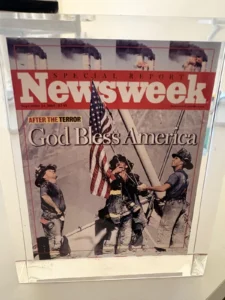
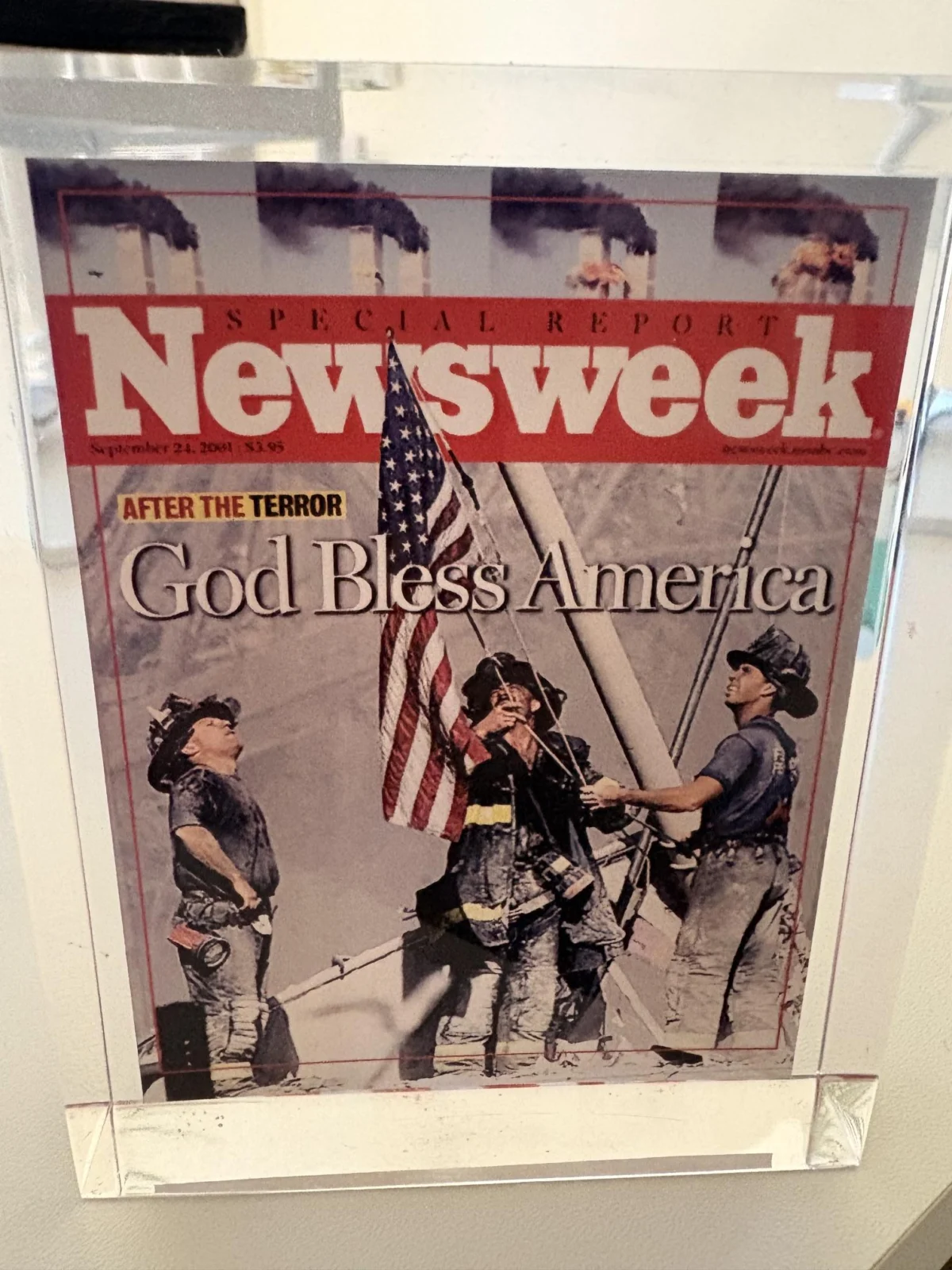
As I look at the Newsweek cover on my office wall—that iconic image of firefighters raising the flag amidst the dust of Ground Zero—I am reminded of the fragility of our peace. We have spent 25 years navigating the ripples of that morning. We have seen the medical struggles of those who arrived to help when others were fleeing, and we have seen the geopolitical landscape reshaped by the need to prevent a recurrence.

To "never forget" is not a passive act. It is a commitment to stay informed, to support the survivors, and to remain clear-eyed about the threats that persist in a complex world. We must not let the passage of time breed complacency. Our resilience was forged in the heat of that day, and it is our duty to pass that resolve to the next generation, ensuring that the light of our democracy continues to burn, despite the shadows that have sought to extinguish it.
FAQs: Understanding the 9/11 Legacy
Q: Why is 9/11 important to remember 25 years later?
A: Remembering 9/11 is crucial because the security, political, and social changes implemented in its wake continue to define modern life. Furthermore, it serves as a historical benchmark for the resilience of the American people and the ongoing threat posed by extremist ideologies.
Q: How has the definition of a "victim" changed since 2001?
A: Initially, victims were identified as those who perished in the attacks. Over the last two decades, that definition has expanded to include the hundreds of thousands of first responders and residents who have since developed chronic, life-threatening illnesses due to environmental exposure at Ground Zero.

Q: Is the threat of terrorism still as relevant today as it was in 2001?
A: While the structure of global terrorism has changed, the threat remains. Complacency is the greatest risk to national security. History shows that when nations become ignorant of the threats to their way of life, they are significantly more vulnerable to recurring cycles of violence and instability.
Q: How can younger generations best honor the memory of 9/11?
A: Younger generations can honor 9/11 by studying the primary sources of the event—not just the headlines, but the personal stories of bravery and the systemic failures that preceded the attack. Engaging with the history of the event ensures that the lessons of vigilance and community are preserved for the future.