









Published November 1, 2026
In an era defined by high-intensity interval training, rapid-fire productivity, and constant connectivity, the practice of Yin Yoga has emerged as a vital counterbalance. Unlike active, "Yang" styles of yoga that prioritize muscular strength and cardiovascular endurance, Yin Yoga invites practitioners to slow down, settle into gravity, and target the deeper connective tissues of the body. As we move into the latter half of 2026, experts are increasingly highlighting this meditative practice as an essential tool for joint health, fascia release, and nervous system regulation.
The Philosophy of Stillness: Understanding Yin Yoga
At its core, Yin Yoga is defined by its passivity. Practitioners hold simple, grounded shapes for extended periods—typically three to five minutes—without engaging the muscles. The objective is not to "conquer" the pose or push the body toward a goal of flexibility, but rather to surrender into the shape, allowing gravity to gently apply stress to the joints, ligaments, and deep connective tissues (fascia).
"Yin Yoga is not about endurance in the traditional sense; it is about finding your ‘edge’ and holding it with compassion," explains Yoga with Kassandra, a leading voice in the digital wellness space. "You are seeking a sensation that is perceptible but never painful. If you find yourself holding your breath or tensing your muscles, you have moved past your edge."
For those new to the practice, the challenge is often mental rather than physical. Beginners may find that two minutes of stillness feels like an eternity. However, this is precisely where the therapeutic benefits reside. By remaining still, the practitioner learns to observe the fluctuations of the mind, fostering a state of mindfulness that transcends the physical mat.
Chronology of a 35-Minute Full-Body Sequence
To effectively practice at home, one must prepare the environment to facilitate deep relaxation. While professional props—such as yoga blocks and straps—are helpful, they are not mandatory. Household items like couch cushions, folded blankets, or even a sturdy belt can serve as effective substitutes.
The following sequence, curated for a 35-minute duration, is designed to move the body through a full-body reset:
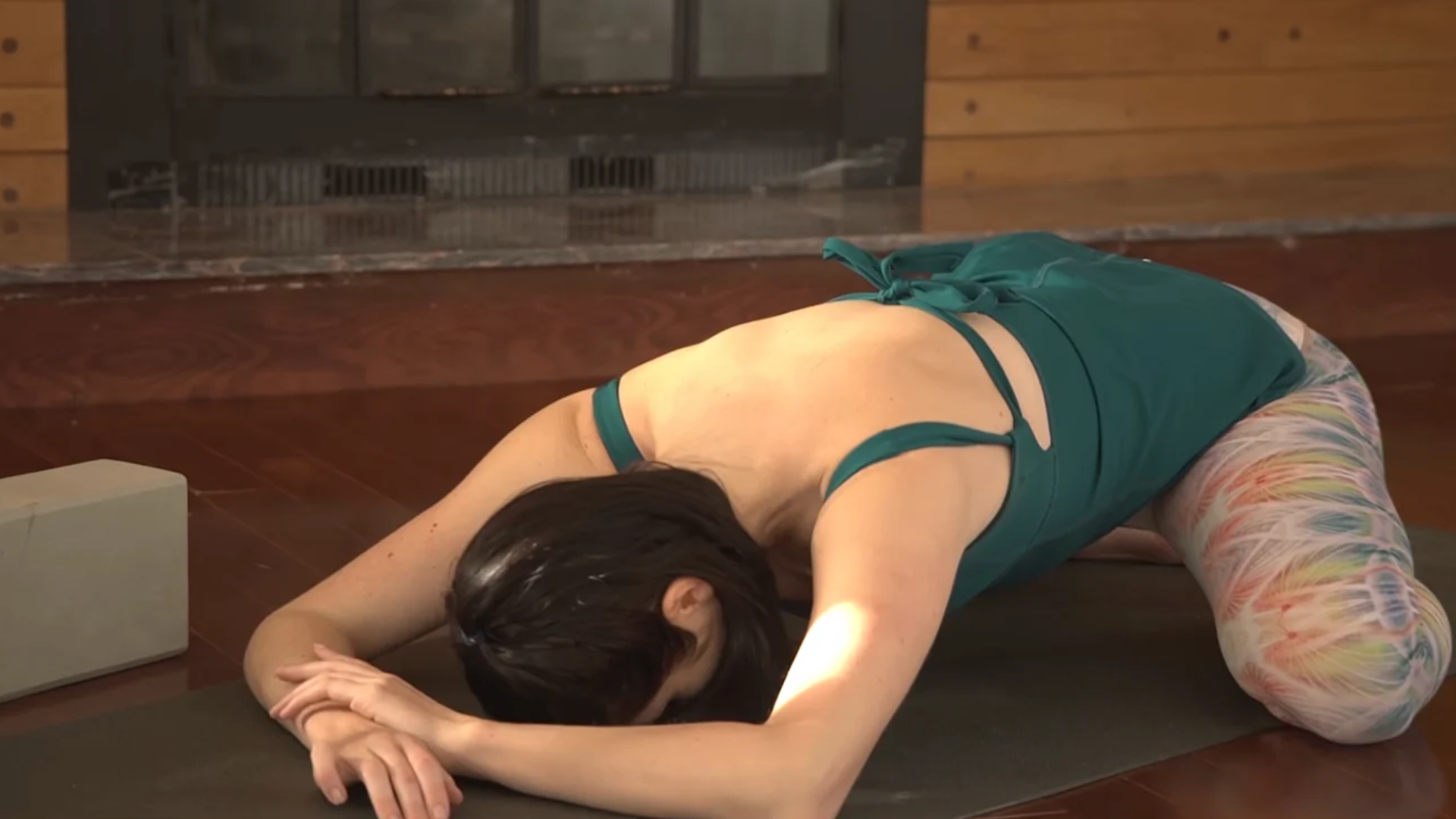
1. Child’s Pose (Balasana)
Starting on hands and knees, bring the big toes together and widen the knees. This variation invites a gentle hip opening. As you walk the hands forward, allow the chest to melt toward the floor. If the lower back feels compressed, adjust the knee width. Hold for two minutes to ground the nervous system.
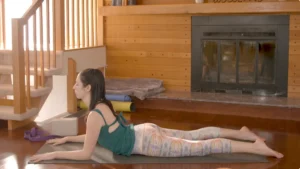
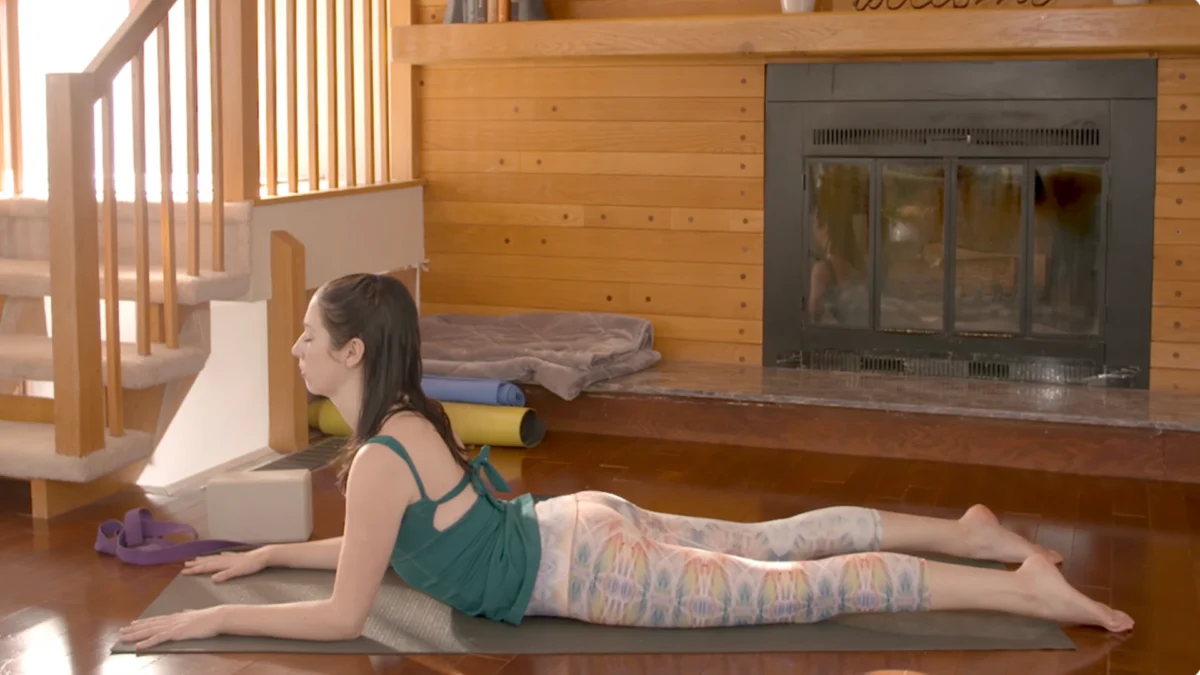
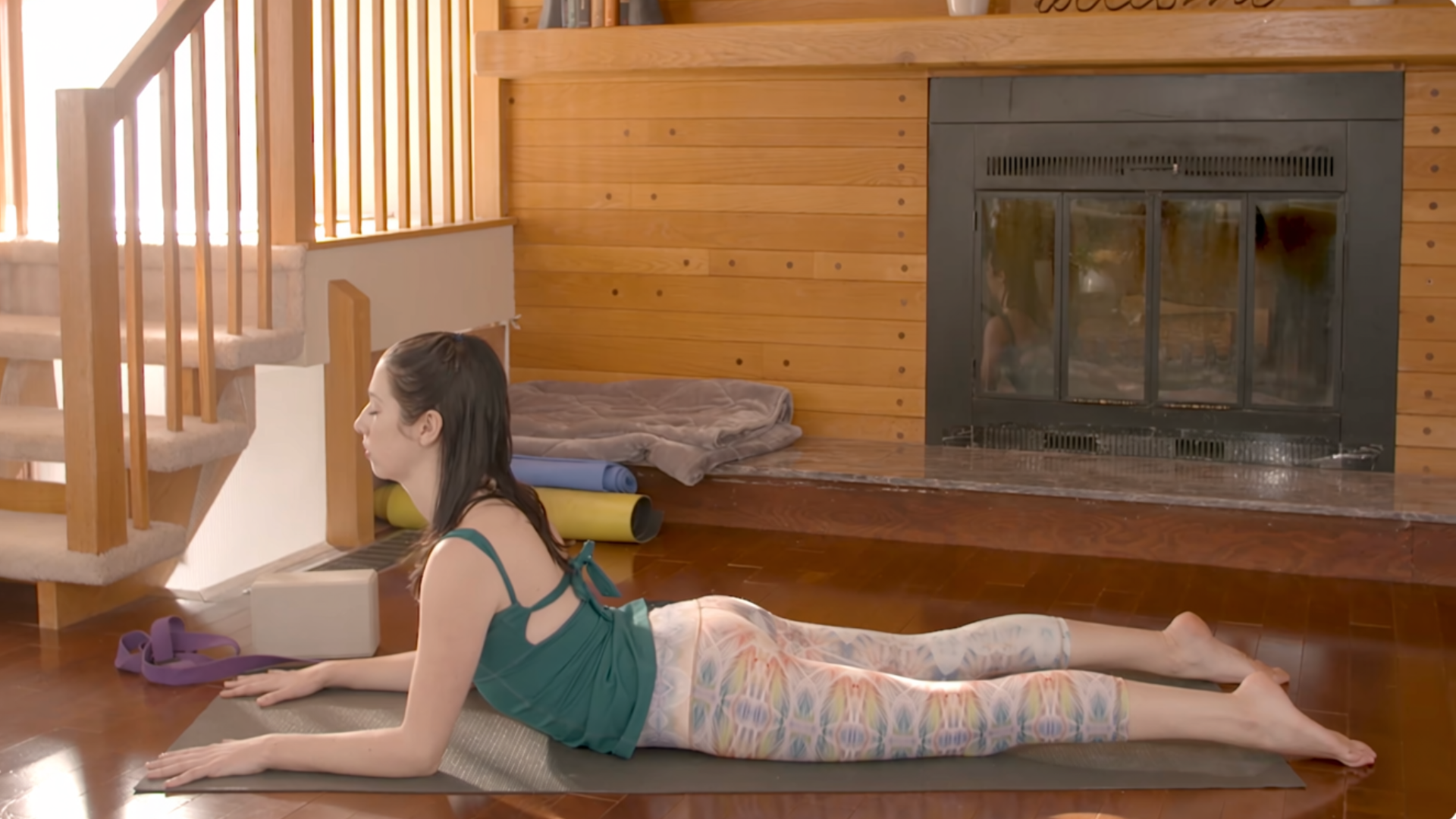
2. Sphinx Pose
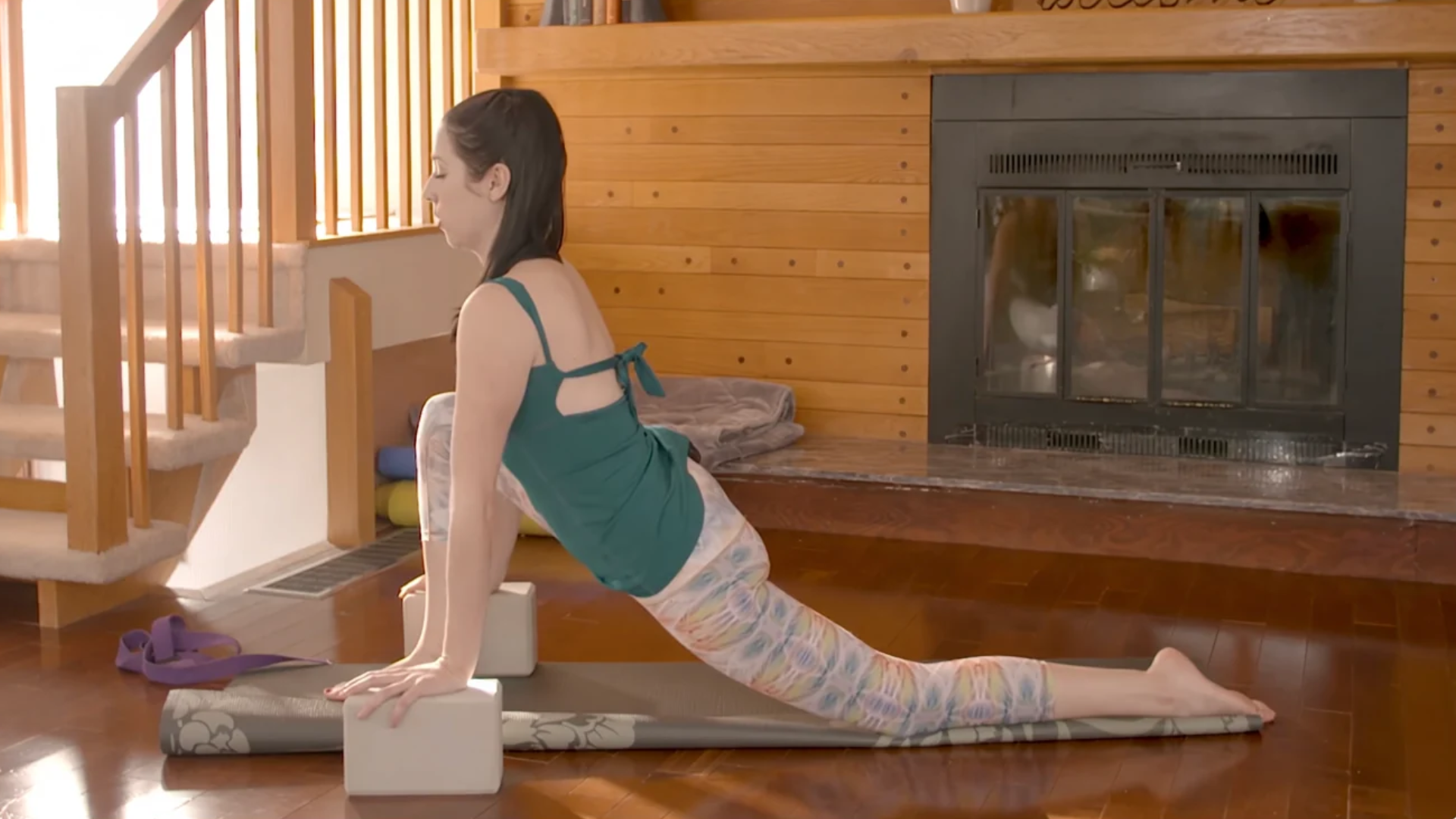
Transitioning to the belly, place the forearms forward with elbows positioned under or slightly in front of the shoulders. This mild backbend stimulates the lumbar spine. If you feel pinching, move the elbows further forward to reduce the intensity. This pose serves to hydrate the spinal discs.
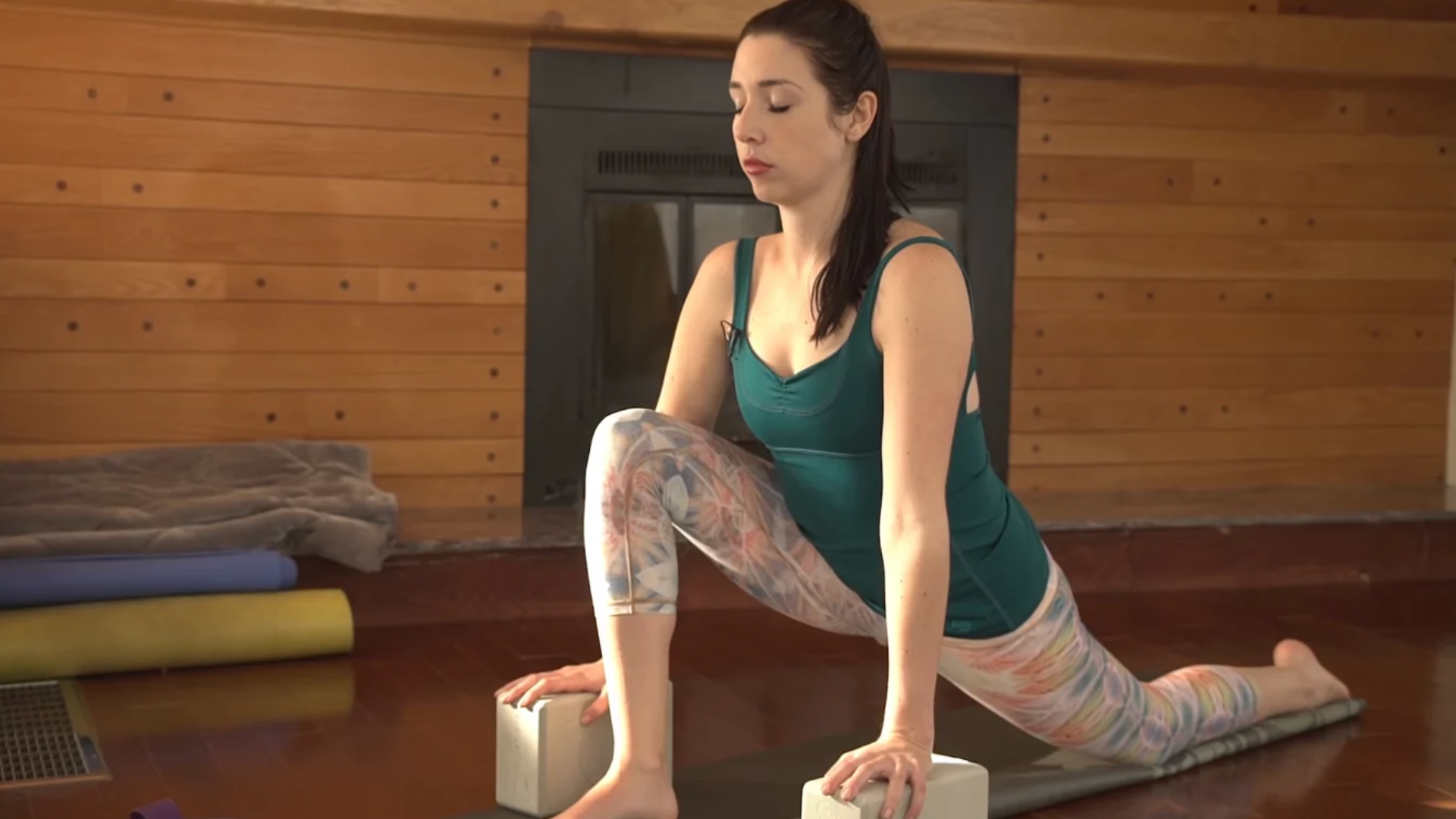
3. Baby Dragon (Low Lunge)
This potent hip-opener requires patience. By stepping one foot forward and padding the back knee with a folded mat or cushion, you allow the hips to sink forward. Gravity does the heavy lifting, releasing tension in the hip flexors.
4. Caterpillar (Seated Forward Fold)
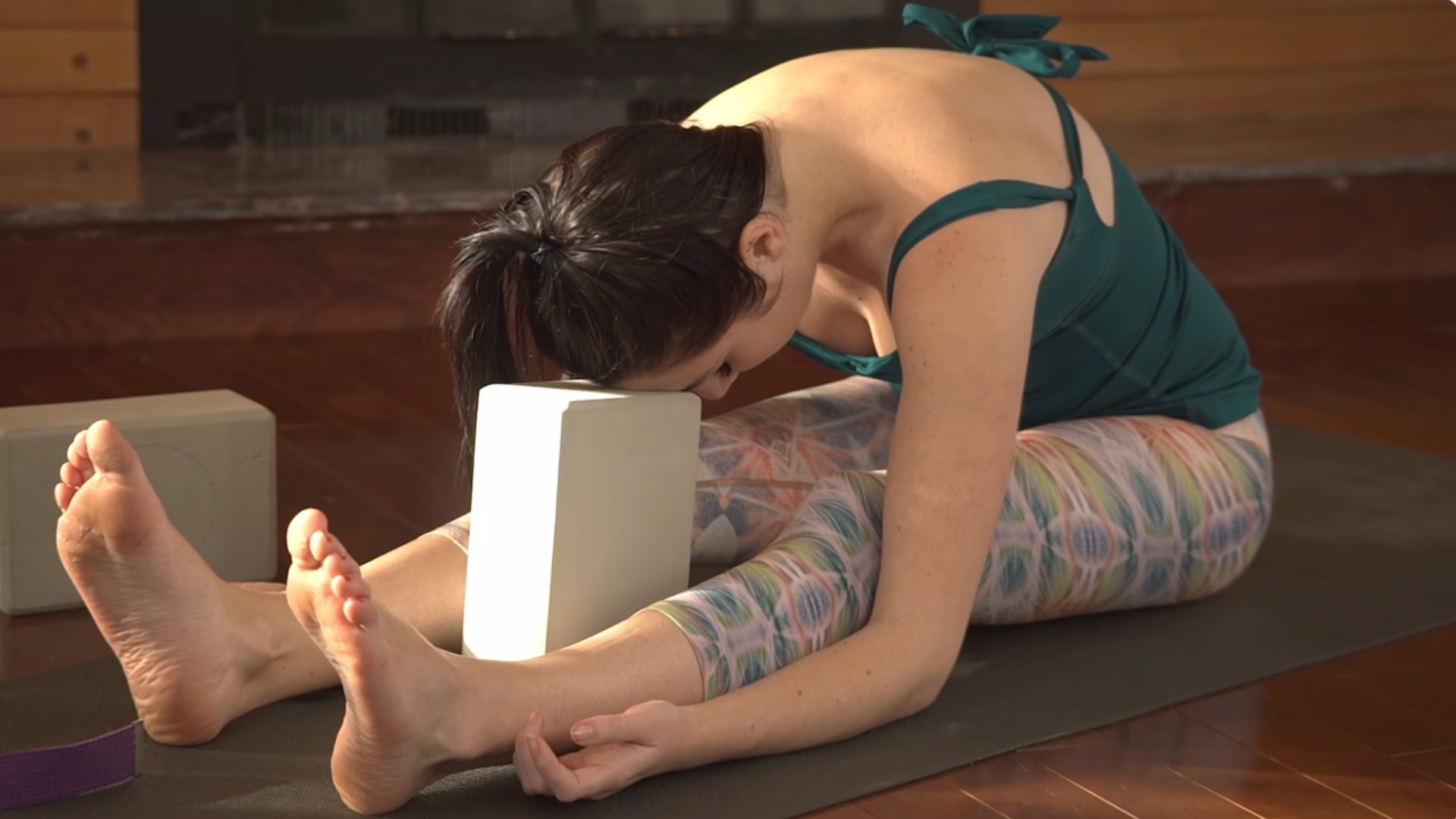
Extend the legs straight, keeping them hip-distance apart. Fold forward with a rounded spine. The goal is not to reach the toes, but to surrender. Using a block to support the forehead can turn this into a restorative experience for the central nervous system.
5. Seated Twist
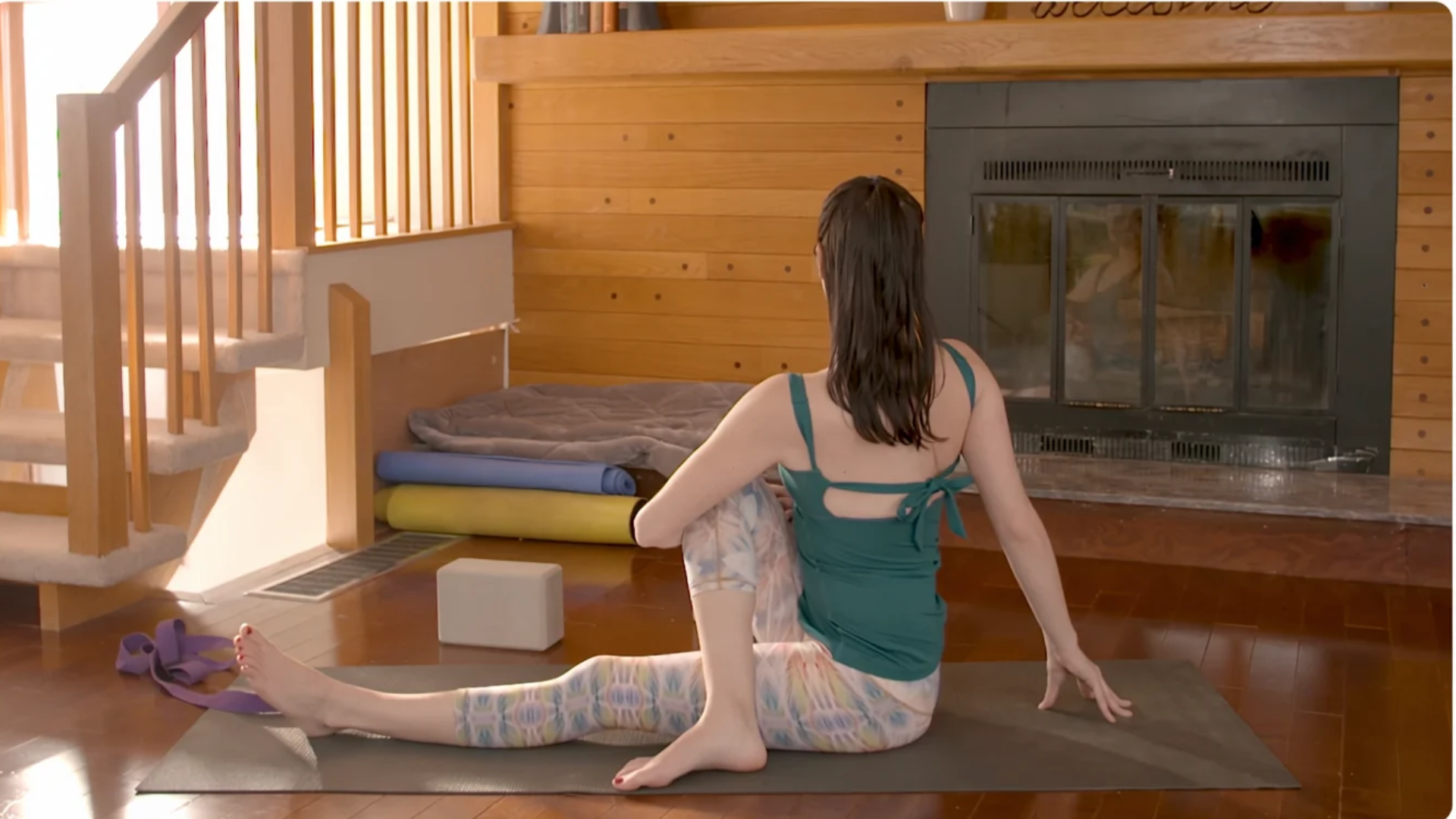
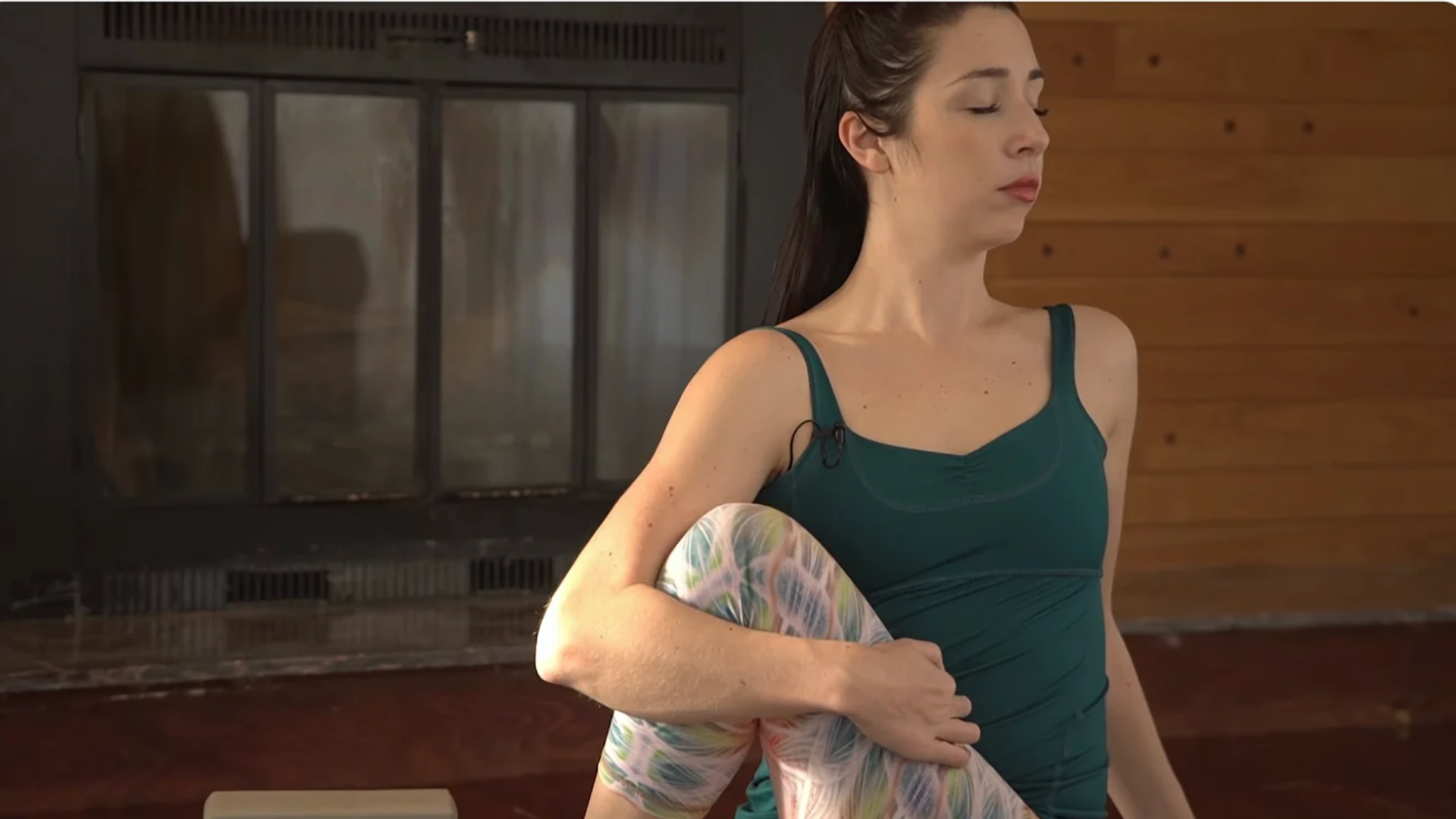
Twists are essential for spinal mobility. By crossing one leg over the other and rotating the torso, you wring out the spine and encourage blood flow to the internal organs. Focus on lengthening the spine with every inhalation and deepening the twist with every exhalation.
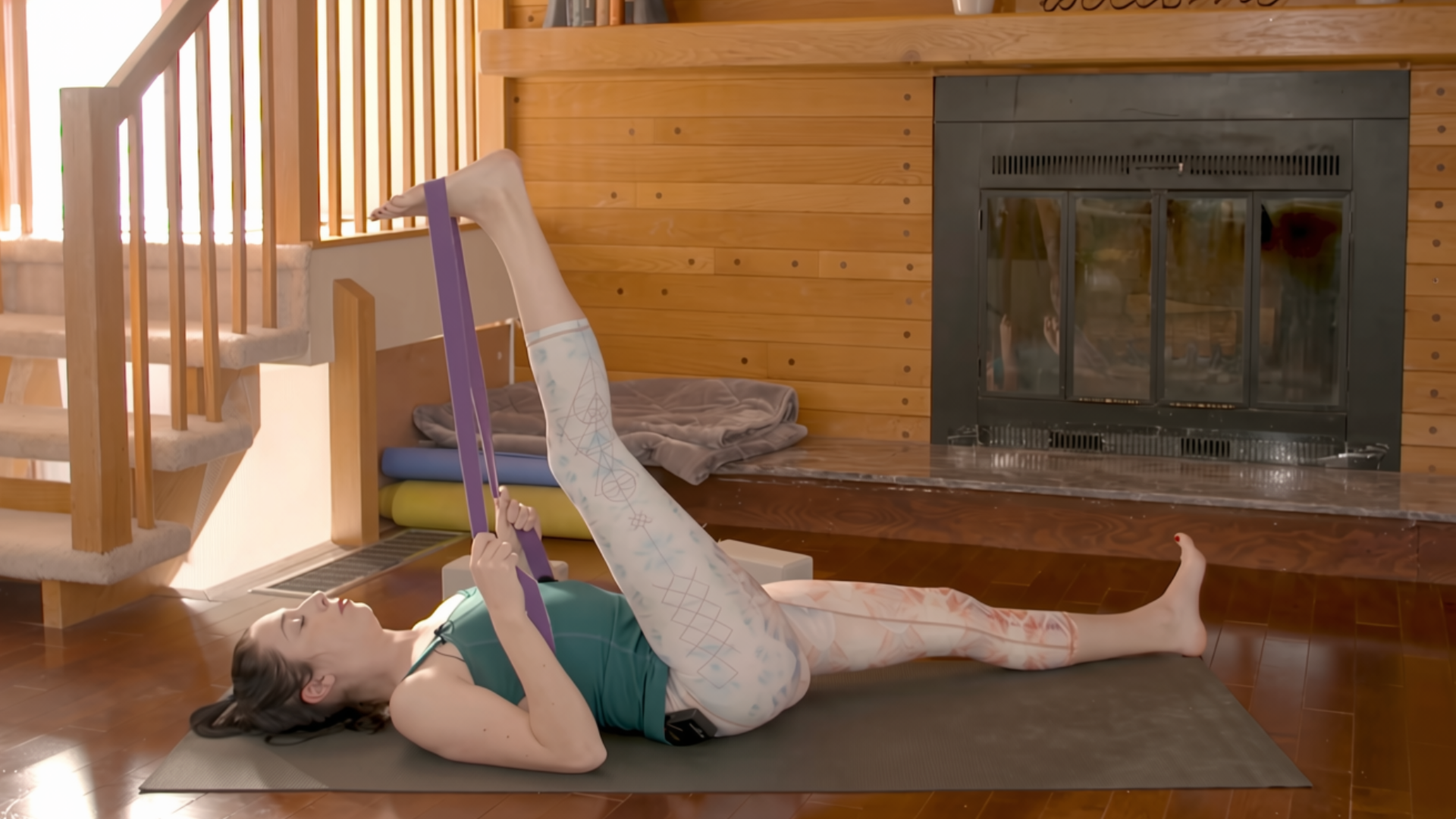
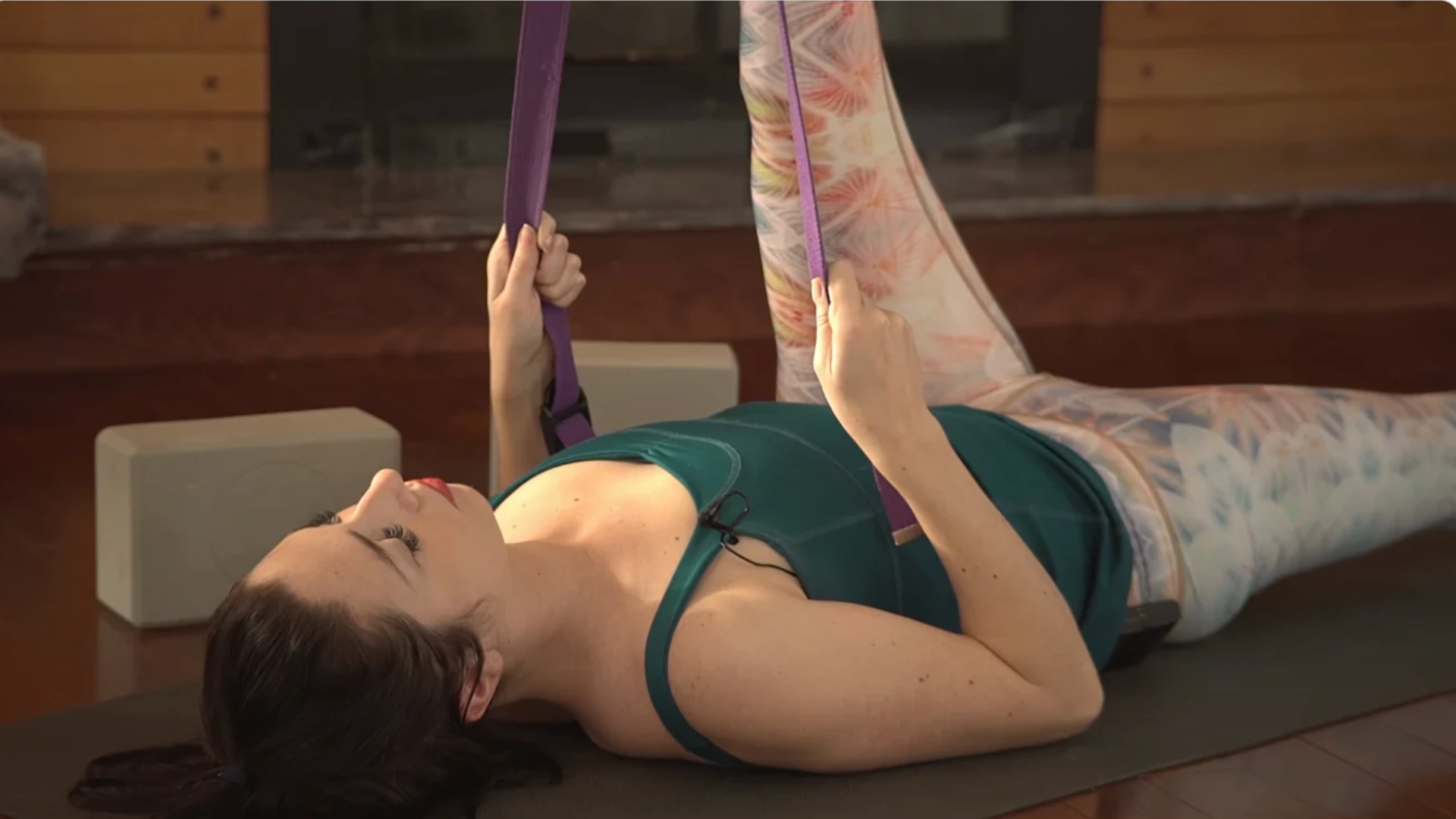
6. Reclined Hamstring Stretch
Using a strap or belt around the ball of the foot, extend one leg toward the ceiling while lying on your back. This allows the hamstrings to lengthen without the effort of standing balance. Keep the upper arms resting on the floor to minimize upper-body tension.
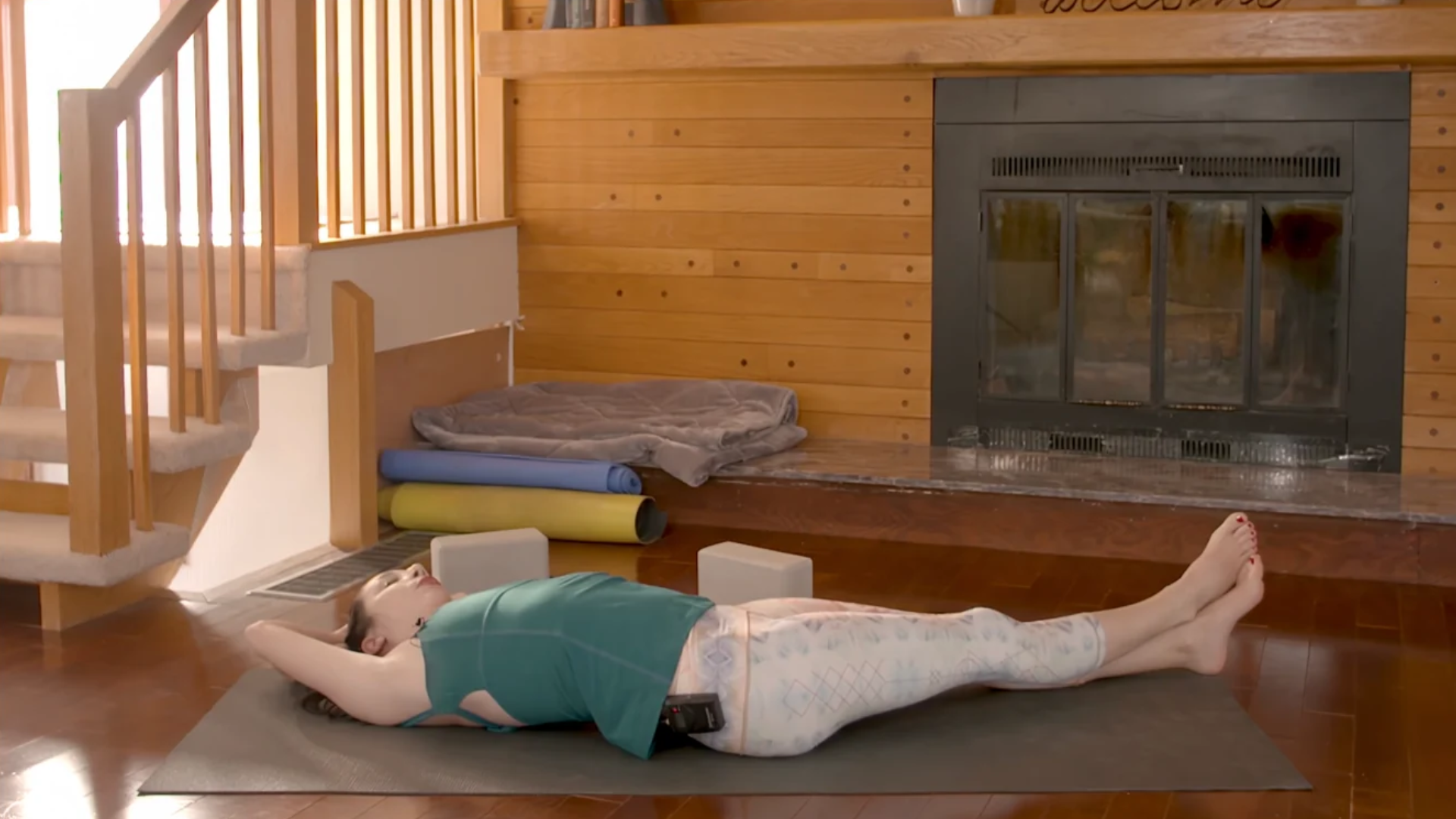
7. Banana Pose (Bananasana)
This side-body opener is unparalleled. By moving the feet and shoulders to one side while keeping the hips grounded, you create a crescent shape that stretches the IT band and the intercostal muscles between the ribs.
8. Reclined Butterfly
Bring the soles of the feet together and let the knees fall wide. This pose targets the adductors and the pelvic floor. Using blocks under the knees provides the support necessary to truly let go of any remaining muscular holding.
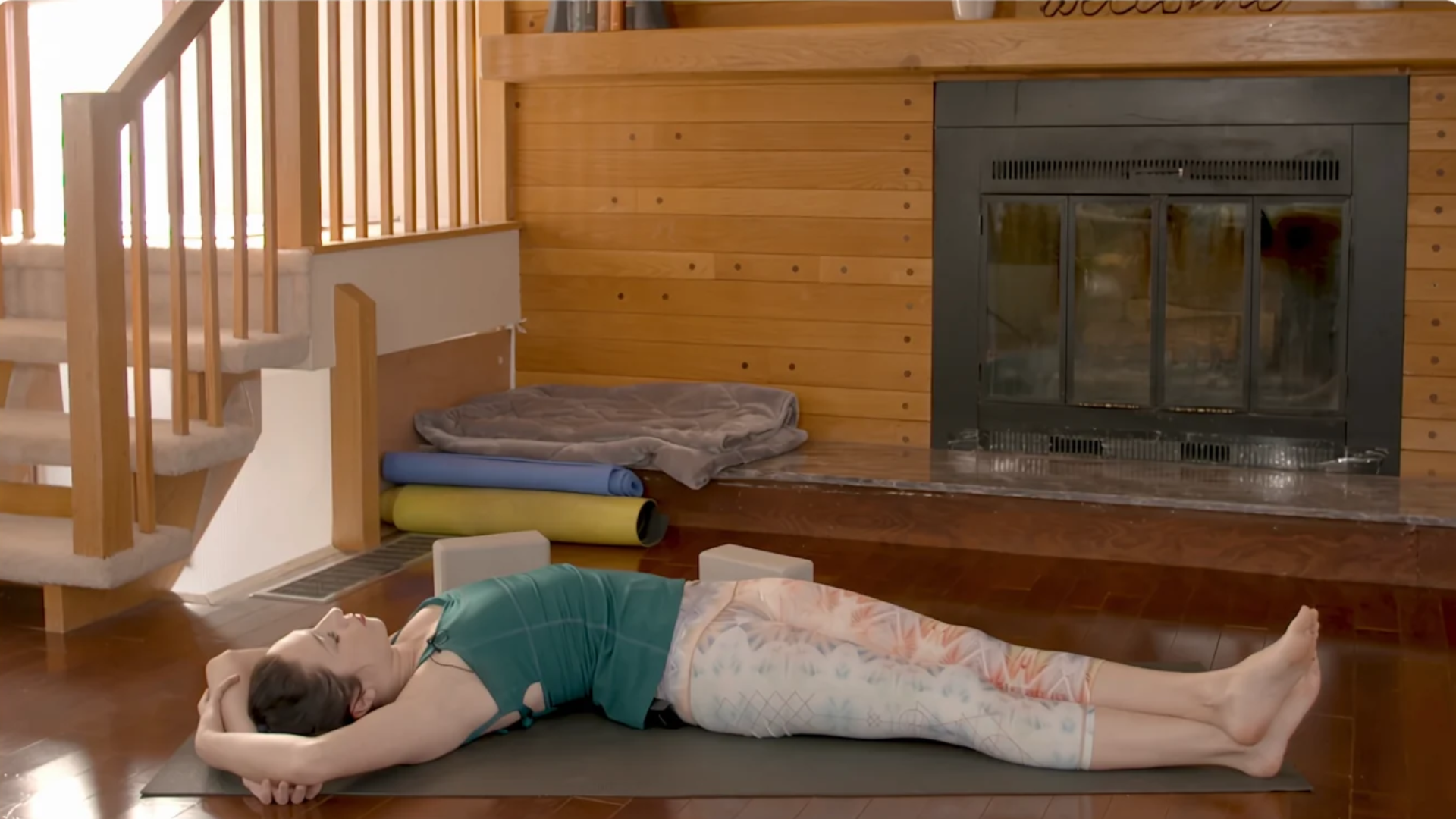
9. Savasana
The final, crucial shape. By lying in a neutral position with limbs splayed, the body integrates the benefits of the preceding poses. This is the moment where the "work" of the practice is harvested.
Supporting Data: The Science of Fascia
Recent studies in sports science have begun to validate what traditional practitioners have known for centuries: the importance of fascial health. Fascia is the web-like connective tissue that encases our muscles, organs, and bones. Unlike muscle tissue, which responds to rapid, high-intensity loading, fascia is "viscoelastic." It responds best to slow, sustained, and gentle pressure.
When we hold a Yin pose for three to five minutes, we are effectively stimulating the remodeling of the fascial matrix. This can lead to increased joint mobility, reduced chronic stiffness, and an improved range of motion that simple stretching cannot achieve. Furthermore, the focus on slow, nasal breathing during these holds helps to downregulate the sympathetic nervous system, shifting the body from "fight-or-flight" into "rest-and-digest."
Implications for Modern Wellness
The implications of integrating Yin Yoga into a weekly routine are profound. For office workers suffering from "tech neck" or those with sedentary jobs, this practice offers a corrective measure for postural alignment. By releasing the deep tissues that "lock" in response to chronic stress, practitioners report better sleep, reduced anxiety, and a greater sense of bodily awareness.
However, the most significant implication is the democratization of wellness. Because Yin Yoga requires no expensive equipment, no specific level of fitness, and minimal space, it is one of the most accessible forms of exercise available. Whether you are an elite athlete using Yin to recover from training or a busy professional looking to decompress, the benefits are universal.
Moving Forward: Developing a Consistent Practice
The beauty of Yin Yoga lies in its simplicity, but its effectiveness depends on consistency. Experts suggest that rather than pushing for hour-long sessions daily, beginners should start with two or three 20- to 30-minute sessions per week. This allows the connective tissues to adapt without causing inflammation.
As you explore these shapes, remember that every body is unique. Your version of a "Caterpillar" will look different from a professional instructor’s version, and that is not just acceptable—it is the goal. Use props liberally, prioritize comfort over aesthetic form, and listen to the subtle cues of your body.
In a world that demands we constantly do more, Yin Yoga provides the necessary permission to simply be. By dedicating just over half an hour to this practice, you are not merely stretching; you are engaging in a profound act of self-care that reconciles the mind and body, ensuring that you can meet the demands of your life with a calmer, more flexible spirit.