









A Groundbreaking Step Forward in Assisted Mobility Technology
WASHINGTON D.C. – [Date of Publication, e.g., October 26, 2023] – In a significant advancement for rehabilitation technology, Wandercraft has officially launched the U.S. commercial availability of its Eve self-balancing personal exoskeleton. Hailed as the world’s first FDA-cleared device of its kind, Eve offers unprecedented hands-free upright mobility for eligible adults living with spinal cord injuries (SCI) at any neurological level, marking a pivotal moment in the quest for enhanced independence and quality of life for wheelchair users.
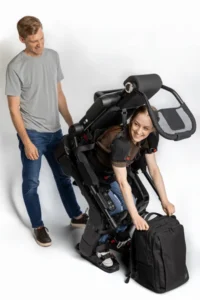
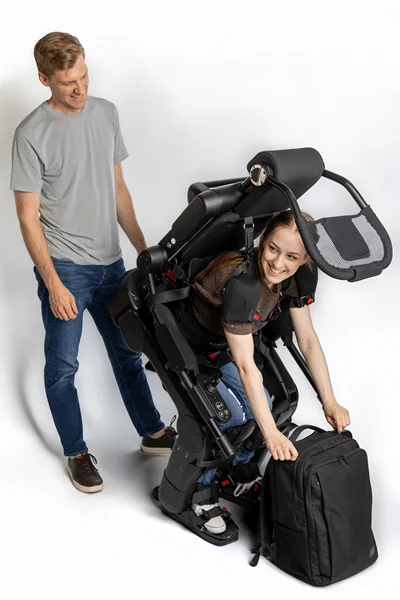
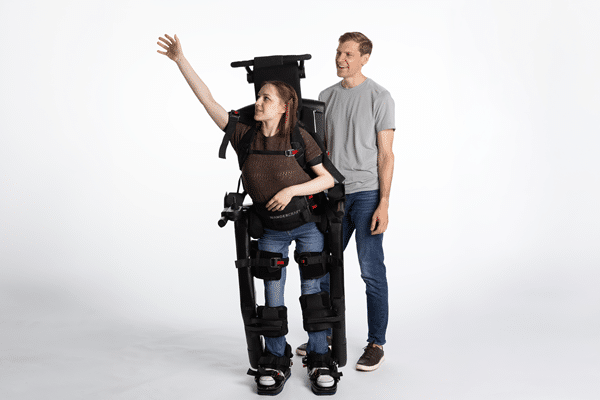
Unlike traditional exoskeletons that often require auxiliary support like crutches or walkers, Eve leverages sophisticated self-balancing technology powered by physical AI. This innovative design allows users to stand, walk, and navigate their environments with their hands free, enabling them to engage in a wider array of daily activities that were previously challenging or impossible. From preparing meals and carrying objects to opening doors and interacting with others at eye level, Eve is designed to seamlessly integrate upright mobility into everyday life, complementing rather than replacing a user’s wheelchair.
The commercial rollout follows a rigorous FDA clearance process, underscoring the device’s safety and efficacy. Wandercraft has established a comprehensive support infrastructure to guide eligible individuals through every step of obtaining Eve, from initial clinical evaluation and trial to personalized fitting, intensive training, and ongoing technical support. This holistic approach aims to ensure users can fully harness the potential of this transformative technology.
Main Facts: A New Paradigm in Personal Mobility
A New Era of Mobility: The Eve Exoskeleton
Wandercraft’s Eve represents a profound leap in personal exoskeleton technology, fundamentally redefining what is possible for individuals with spinal cord injuries. Its commercial launch in the United States makes it accessible to a broad spectrum of adults whose mobility has been impacted by SCI, irrespective of the neurological level of their injury. This inclusivity is a distinguishing feature, as previous exoskeleton technologies often came with stricter limitations on the degree and location of injury. The core promise of Eve lies in its ability to restore a degree of bipedal mobility, offering not just physical movement but also profound psychological and social benefits that come with being upright and hands-free.
The journey to commercial availability has been meticulously planned, building on years of research, development, and clinical trials. The FDA’s clearance of Eve was a critical milestone, signifying that the device met stringent safety and performance standards required for medical devices in the U.S. market. This regulatory approval has paved the way for Wandercraft to begin offering Eve to a population eager for innovative solutions that can enhance their daily lives. The process for potential users is structured and supportive, beginning with a detailed clinical evaluation to determine eligibility, followed by a trial period. Successful candidates then undergo individual fitting, manufacturing, and a personalized training program, ensuring each user is fully prepared and comfortable with their new device. Ongoing support from the Wandercraft team underscores the company’s commitment to its users’ long-term success and adaptation.
Unpacking Eve’s Revolutionary Features
At the heart of Eve’s innovation is its unique self-balancing technology, which sets it apart from other exoskeletons currently available. This advanced system, powered by what Wandercraft terms "physical AI," eliminates the need for external aids like crutches or walkers, which are typically required for balance with many other exoskeleton models. The hands-free capability is a game-changer, liberating users to perform a myriad of tasks that require manual dexterity and interaction with their environment. Imagine reaching for items on a shelf, carrying a tray of food, engaging in a conversation at eye level, or simply embracing a loved one without the constraint of balancing aids – these are the everyday moments Eve seeks to restore.
The design philosophy behind Eve positions it as a complementary mobility solution. It is not intended to replace a wheelchair entirely but rather to offer an additional, versatile option for moments when upright mobility is desired. This flexibility allows users to choose the most appropriate mode of mobility for different situations, maximizing their independence and participation in various aspects of life. Furthermore, Wandercraft emphasizes that Eve is the first FDA-cleared device in its category without neurological level restrictions for spinal cord injury. Eligibility is determined by an adult’s ability to safely operate the device’s controller and the absence of contraindications listed in the User Manual. This expansive eligibility criterion reflects the comprehensive safety data, robust clinical evidence, and extensive usability testing that underpinned Wandercraft’s successful FDA submission, demonstrating a broad applicability across the SCI community.
Chronology: From Concept to Commercial Reality
From Concept to Commercial Reality
The journey of the Eve exoskeleton from an ambitious concept to a commercially available medical device is a testament to years of dedicated research, engineering ingenuity, and a profound commitment to improving human mobility. Wandercraft, a company founded on the principle of leveraging advanced robotics to empower individuals, embarked on developing a truly self-balancing exoskeleton to address the significant limitations of existing assistive technologies. The vision was clear: create a device that could mimic human balance and gait, thereby freeing users’ hands and enhancing their autonomy in daily life. This undertaking involved pioneering advancements in robotics, control systems, and artificial intelligence, specifically "physical AI" that allows the exoskeleton to dynamically adjust and maintain stability without external support.
The developmental phase was characterized by iterative design, rigorous prototyping, and extensive testing in laboratory settings. Engineers and researchers collaborated to refine the mechanical components, sensor systems, and sophisticated algorithms that govern Eve’s movements. This period was crucial for ensuring not only the functional capabilities of the exoskeleton but also its safety, comfort, and intuitive operation. The insights gained from early prototypes and preliminary user feedback played an indispensable role in shaping the final design, optimizing its performance for real-world applications.
The Path to FDA Clearance and Beyond
Securing FDA clearance was a monumental step in Eve’s chronology, representing years of meticulous data collection, clinical trials, and regulatory engagement. The FDA, responsible for protecting public health by ensuring the safety, efficacy, and security of human and veterinary drugs, biological products, and medical devices, subjected Eve to a rigorous evaluation process. This involved a comprehensive review of all pre-clinical and clinical data, including extensive usability testing, safety reports, and evidence of the device’s ability to achieve its intended purpose. For Wandercraft, demonstrating the safety and effectiveness of a self-balancing, hands-free exoskeleton for a broad population with SCI, including those with higher neurological levels of injury, was a complex but ultimately successful endeavor. The absence of neurological level restrictions in the FDA clearance for Eve highlights the breadth and depth of the clinical evidence presented, setting a new benchmark for exoskeleton accessibility.
Following FDA clearance, Wandercraft strategically moved towards its commercial launch, a phase that required establishing a robust infrastructure for distribution, sales, training, and ongoing support. The announcement of the U.S. commercial launch marked the culmination of this extensive preparation, transforming a regulatory approval into a tangible reality for potential users. Matthieu Masselin, co-founder and CEO of Wandercraft, articulated the significance of this transition, stating, "FDA clearance showed that Eve was ready to move forward. Today is about making it a reality for the people we built it for." This statement encapsulates the company’s ethos of translating technological breakthroughs into meaningful human impact, emphasizing the comprehensive support system built around the device.
The User Journey: Accessing Eve
The process for an eligible individual to obtain an Eve exoskeleton is designed to be thorough and supportive, ensuring optimal fit and safe operation. It commences with a clinical evaluation, where healthcare professionals assess the individual’s physical condition, neurological status, and ability to safely operate the device’s controller. This initial assessment is critical for determining eligibility and identifying any contraindications. Following a successful evaluation, prospective users proceed to a trial period, allowing them to experience Eve firsthand under supervised conditions. This trial is invaluable for both the user and the clinical team to confirm the device’s suitability and potential benefits.
Upon successful completion of the trial and a physician’s order, Eve is individually fitted and manufactured to the user’s specific anatomical measurements, ensuring comfort and optimal performance. This bespoke approach underscores the personalized nature of advanced rehabilitation technology. The next crucial step is a personalized training program, conducted by the Wandercraft team. This intensive training covers all aspects of Eve’s operation, maintenance, and safe use in various environments, empowering users with the confidence and skills needed for independent mobility. Beyond delivery, Wandercraft provides ongoing support, reflecting a commitment to the user’s long-term success and adaptation to the device. This holistic user journey, from initial inquiry to sustained use, is central to Wandercraft’s strategy for ensuring Eve’s transformative potential is fully realized.
Supporting Data: Robust Clinical Evidence Paves the Way
Robust Clinical Evidence Paves the Way
The commercial launch of Wandercraft’s Eve exoskeleton is not merely a market introduction but is firmly rooted in a foundation of rigorous scientific inquiry and robust clinical evidence. The company’s successful FDA clearance, particularly the expanded eligibility for adults with spinal cord injuries at any neurological level, speaks volumes about the comprehensive safety data and efficacy studies that underpinned its submission. This evidence base is crucial not only for regulatory approval but also for instilling confidence among clinicians, users, and payers in the device’s capabilities and benefits.
A significant portion of this supporting data comes from new peer-reviewed research examining the transition to personal use of self-balancing exoskeletons. This focus on "personal use" is critical, as it moves beyond controlled clinical settings to assess how individuals can integrate such advanced technology into their daily lives. The studies have specifically investigated the feasibility and effectiveness of training protocols for people with tetraplegia and high paraplegia, traditionally a more challenging population for exoskeleton use due to higher levels of impairment. The ability to demonstrate safe and functional use within this cohort underscores Eve’s innovative design and its potential to serve a broader segment of the SCI community.
Kessler Foundation and VA Medical Center Studies
Two key research initiatives have provided compelling evidence for Eve’s utility. The first, a study published in the Journal of Visualized Experiments (JoVE), reported findings from research conducted at the prestigious Kessler Foundation and the James J. Peters VA Medical Center. This study specifically focused on how individuals with tetraplegia and high paraplegia, along with their companions, could be trained to use a self-balancing exoskeleton for personal application. The results were highly encouraging: among the first 16 participants who completed the protocol, all achieved the study’s performance goals for the Timed Up and Go (TUG) test – a standard measure of mobility and functional balance – and the 6-Minute Walk Test (6MWT), which assesses endurance. Furthermore, 15 participants achieved the donning goal (putting on the device) after just four training sessions, and all achieved the doffing goal (taking off the device). Crucially, the researchers reported no serious adverse events among the participants who completed the protocol, affirming the device’s safety profile during the training phase.
A separate, pivotal study, presented at the Academy of Spinal Cord Injury Professionals (ASCIP) Annual Meeting, further solidified these findings. This research, also conducted at James J. Peters VA Medical Center and Kessler Foundation, involved the first 16 participant pairs and demonstrated that Eve supported safe, hands-free assisted walking for people with spinal cord injury, again with a remarkably low adverse-event rate. Participants in this study also successfully performed key mobility tasks and activities of daily living, reporting high perceived safety, user satisfaction, and ease of training. These outcomes are vital because they directly correlate with the practical benefits and user experience in a real-world context, moving beyond mere locomotion to encompass functional independence.
Dr. Gail Forrest, PhD, director of the Tim and Caroline Reynolds Center for Spinal Stimulation at Kessler Foundation, underscored the significance of this research: “What is important about this work is that we evaluated more than whether someone could stand or walk in an exoskeleton. We examined whether people with high-level spinal cord injuries and their companions could learn to use a self-balancing exoskeleton and perform functional tasks relevant to personal use. Commercial availability is an important next step toward translating that clinical work into carefully supported use in everyday life.” Her statement emphasizes the holistic nature of the studies, focusing on the practical integration of the technology into users’ lives.
Expanding the Horizon of Exoskeleton Eligibility
The cumulative weight of this research has been instrumental in expanding the eligibility criteria for personal exoskeletons. By demonstrating safe and effective use across a broader spectrum of SCI levels, particularly higher neurological injuries, Wandercraft has challenged previous limitations. This expansion is not merely a technical achievement; it represents a significant step towards greater inclusivity within the assistive technology landscape. It means that more individuals who previously might have been excluded from exoskeleton use now have the opportunity to explore upright mobility and its associated benefits. The rigorous clinical evidence provides a solid foundation for clinicians to recommend Eve and for payers, including Medicare, to consider reimbursement, facilitating broader access to this life-changing technology.
Official Responses: Voices from the Forefront
Voices from the Forefront: Leadership and Lived Experience
The launch of the Eve exoskeleton is not just a technological milestone but also a deeply human story, echoed in the voices of those who developed it and those whose lives it is designed to transform. Matthieu Masselin, co-founder and CEO of Wandercraft, articulates the company’s core philosophy and the profound significance of this commercial rollout. "We have spent years developing the robotics, but our breakthroughs only matter when we’re able to better connect people to the world around them. That’s why we built an infrastructure that supports people every step of the way, from evaluation and fitting to reimbursement, training, and ongoing service," Masselin stated. His words underscore Wandercraft’s dual commitment: to cutting-edge robotics and to ensuring that this technology is accessible and seamlessly integrated into users’ lives through a comprehensive support system. This reflects an understanding that true innovation extends beyond the device itself to the entire ecosystem that enables its effective use.
Perhaps the most poignant endorsements come from those who have directly experienced Eve’s capabilities. Caroline Laubach, a Wandercraft test pilot, shared her personal journey and the tangible impact Eve has had on her daily life. "With Eve, being upright isn’t just about standing. It’s about having the freedom to use my hands, move through my home, and connect with people in a new way," Laubach expressed. Her testimony highlights the profound shift in independence and social interaction that Eve facilitates. "Those everyday moments bring me so much joy. What makes this milestone especially meaningful is knowing that more people will now have the chance to experience Eve for themselves and find that same joy in their own way." Laubach’s experience resonates deeply, illustrating how technological advancement translates into invaluable personal fulfillment and an expanded sense of self.
Partnering for Broad Accessibility
The successful commercialization of Eve also hinges on strategic partnerships that ensure widespread access and specialized support. Wandercraft has forged alliances with key players in the rehabilitation and healthcare sectors. National Seating & Mobility (NSM), a prominent Complex Rehabilitation Technology (CRT) distribution partner, will be instrumental in supporting evaluation, education, access, and delivery through its extensive network of over 180 locations. CRT providers like NSM play a critical role in connecting users with clinicians, Assistive Technology Professionals, and payers, providing the individualized support necessary to transition sophisticated mobility devices from prescription to personal use. This partnership ensures that the complex journey of obtaining and integrating Eve is navigated with expert guidance.
Furthermore, Good Shepherd Rehabilitation will complement this national network by expanding access to Eve in Pennsylvania’s Lehigh Valley. As a Wandercraft Center of Excellence, Good Shepherd has cultivated deep expertise in supporting patients using Wandercraft’s Atalante X and will now serve as an exclusive Eve partner in the region. Their Hyland Center will provide a hub where eligible users can learn about and experience the technology. This regional concentration of expertise is crucial for specialized care and training. Additionally, USVetServ, a Service-Disabled Veteran-Owned Small Business, has been designated as an authorized independent distributor of both Eve and Atalante X for the U.S. Department of Veterans Affairs, its medical centers, and other VA facilities nationwide. This partnership is vital for ensuring that veterans, a population often disproportionately affected by spinal cord injuries, have access to this cutting-edge mobility solution. These diverse partnerships collectively underscore a concerted effort to make Eve accessible across various demographics and geographic regions, supported by specialized care and expertise.
Implications: Transforming Lives and the Rehabilitation Landscape
Transforming Lives and the Rehabilitation Landscape
The commercial launch of Wandercraft’s Eve exoskeleton carries profound implications, not only for individuals with spinal cord injuries but also for the broader field of rehabilitation technology and societal perceptions of disability. For users, the most immediate and impactful implication is the unprecedented opportunity for hands-free, upright mobility. This extends beyond mere physical movement; it represents a restoration of dignity, independence, and the ability to participate more fully in social and professional life. The psychological benefits of standing tall, interacting at eye level, and performing daily tasks without relying on others cannot be overstated. It can significantly improve self-esteem, reduce feelings of isolation, and enhance overall mental well-being, fostering a greater sense of agency and control over one’s life.
Eve’s design, which complements rather than replaces a wheelchair, offers users a flexible and dynamic approach to mobility. This means individuals are not confined to a single mode of transportation but can choose the most appropriate option for different environments and activities. This adaptability empowers users to navigate diverse social settings, from crowded public spaces to intimate home environments, with greater ease and confidence. The ability to cook, carry objects, or open doors independently are not just practical conveniences; they are powerful affirmations of self-sufficiency that can redefine an individual’s daily routine and long-term aspirations.
Economic and Social Ramifications
Beyond the individual, Eve’s widespread adoption could have significant economic and social ramifications. For the healthcare system, while the initial cost of such advanced technology is substantial, the long-term benefits could include a reduction in secondary complications associated with prolonged sitting, such as pressure sores, bone density loss, and circulatory issues, potentially leading to lower healthcare expenditures over time. The ability for more individuals with SCI to engage in work or volunteer activities could also contribute to economic productivity and reduce dependence on social support systems.
Socially, the increased visibility of individuals using advanced assistive technologies like Eve can foster greater awareness and acceptance of disability. As more people with SCI are seen moving upright and engaging hands-free, it challenges preconceived notions about disability and promotes a more inclusive society. The launch event in New York City, presented with United Spinal Association, highlighted this aspect by bringing together diverse stakeholders—individuals living with SCI, clinicians, researchers, disability advocates, and policymakers—to celebrate and envision a more accessible future. This kind of public engagement is crucial for driving policy changes and advocating for broader access to transformative technologies.
The dedicated access team at Wandercraft, which assists users and their care teams with benefits, documentation, reimbursement, and financing, is critical in navigating the complex financial landscape. The fact that Medicare covers qualifying personal exoskeletons as custom-fitted orthoses under HCPCS billing code K1007, subject to individual coverage requirements, is a major step towards making Eve financially viable for many. However, continued advocacy will be necessary to ensure that private insurers also provide robust coverage, ensuring equitable access across all income brackets.
The Future of Assisted Mobility
The introduction of Eve also sets a new precedent for the future of assisted mobility and rehabilitation robotics. Its self-balancing, hands-free capabilities, driven by physical AI, push the boundaries of what is technologically achievable. This innovation is likely to spur further research and development in the field, encouraging other companies to invest in similar advanced solutions. The emphasis on hands-free operation and expanded eligibility for individuals with higher-level spinal cord injuries opens up new avenues for research into human-robot interaction, intuitive control systems, and the integration of these devices into smart home environments.
As technology continues to advance, we can anticipate future generations of exoskeletons becoming even more intuitive, lighter, and potentially more affordable. The robust clinical evidence and the comprehensive support infrastructure established by Wandercraft for Eve will serve as a valuable blueprint for future innovations, guiding both technological development and commercialization strategies. Ultimately, Eve represents more than just a device; it is a symbol of progress and a beacon of hope for countless individuals seeking to reclaim their mobility and embrace a life of greater independence and connection. The journey has just begun, and the implications of this breakthrough will undoubtedly shape the landscape of assistive technology for decades to come.
To learn more about Eve or request an evaluation, visit: https://www.wandercraft.eu/form.