








Introduction: The Silent Epidemic of Chronic Pain
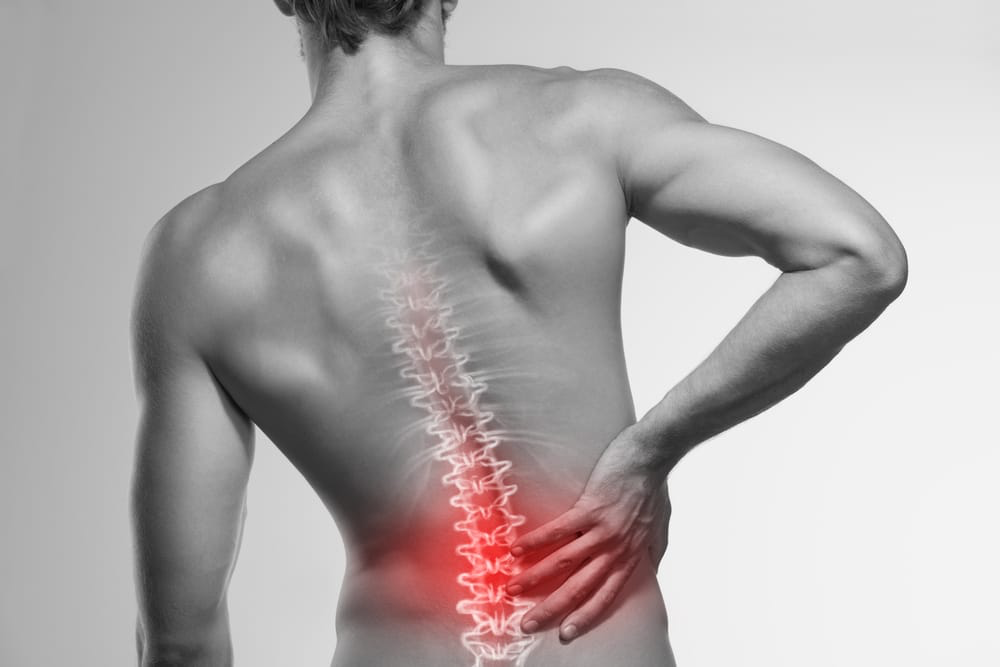
For millions of Americans, chronic pain is not merely a physical sensation; it is a restrictive barrier that dictates the boundaries of daily existence. Whether stemming from spinal degeneration, nerve damage, or complex musculoskeletal conditions, persistent pain often leads to a cycle of decreased mobility, psychological distress, and an over-reliance on pharmacological interventions. In Southwest Florida, a shift in the medical paradigm is currently underway, spearheaded by the Southwest Florida Pain Center (SWFL Pain Center). By prioritizing interventional pain management over traditional drug-based therapies, the center is fundamentally altering the patient journey from suffering to recovery.
Main Facts: The Philosophy of "High Tech Meets High Touch"
The Southwest Florida Pain Center operates on a core philosophy that blends advanced clinical technology with a personalized, patient-centric environment. At its heart, the facility rejects the "band-aid" approach of symptom masking. Instead, it utilizes an aggressive, diagnostic-first strategy to identify the root cause of discomfort.
Core Pillars of the SWFL Approach:
- Non-Pharmacological Focus: The center’s primary objective is the mitigation of pain without an exclusive reliance on narcotics or chronic medication, which often carry the risk of dependency and systemic side effects.
- Precision Diagnostics: By utilizing high-definition imaging and specialized testing, clinicians can pinpoint the exact origin of nerve or joint pain, ensuring that treatment is localized rather than generalized.
- On-Site Surgical Suites: The integration of surgical suites within the clinic provides a seamless continuum of care, reducing the need for patients to navigate hospital systems for routine interventional procedures.
- The "Artistic Atmosphere": Recognizing that the psychological state of a patient significantly impacts pain perception, the center has curated an environment designed to reduce anxiety and promote healing, moving away from the sterile, intimidating aesthetics of traditional medical offices.
Chronology: The Evolution of Pain Management in Southwest Florida
The evolution of the SWFL Pain Center mirrors the broader medical transition toward minimally invasive surgery and targeted interventional care.
- Pre-2010s: The landscape of pain management was largely dominated by oral analgesics and generalized physical therapy. Patients with recalcitrant pain were often funneled into long-term opioid regimens.
- The Paradigm Shift: As the dangers of the opioid crisis became statistically undeniable, the medical community began searching for safer, more effective alternatives. The SWFL Pain Center positioned itself at the forefront of this movement by investing in fluoroscopy and ultrasound-guided equipment.
- Integration of Technology: Over the last decade, the center expanded its capacity to include advanced neuro-modulation techniques. The introduction of spinal cord stimulation (SCS) marked a turning point, offering hope to patients for whom traditional surgery had failed.
- Current Standing: Today, the center serves as a regional hub for interventional techniques, recognized by local media outlets such as Harborstyle Magazine for its contributions to elevating the standard of care in the Florida medical corridor.
Supporting Data: Advanced Treatment Modalities
The efficacy of the SWFL Pain Center is rooted in its diverse toolbox of medical interventions. By moving beyond the physical exam, these procedures allow for direct intervention at the source of pain.
Key Treatment Modalities:
- Spinal Cord Stimulation (SCS): This involves the implantation of a device that sends electrical pulses to the spinal cord, effectively "scrambling" pain signals before they reach the brain. It is considered a gold-standard treatment for chronic nerve pain.
- Radiofrequency Ablation (RFA): A minimally invasive procedure that uses heat to disable the nerve fibers responsible for sending pain signals to the brain, providing long-term relief for arthritic joint pain.
- Discography: A diagnostic procedure used to identify the specific intervertebral disc causing a patient’s back pain, allowing surgeons to create a highly accurate roadmap for treatment.
- Guided Injections (Fluoroscopy & Ultrasound): By using real-time imaging, physicians ensure that anti-inflammatory medications are delivered with surgical precision to the exact anatomical target, increasing success rates while minimizing trauma to surrounding tissues.
- Epidural Steroid Injections: A cornerstone treatment for sciatica and herniated discs, designed to reduce inflammation around spinal nerves.
Official Responses and Clinical Philosophy
The leadership at SWFL Pain Center emphasizes that the "high tech" aspect of their practice would be ineffective without the "high touch" philosophy. In a clinical environment, the patient is often treated as a diagnostic code; at this center, the medical staff operates under the directive that the patient’s narrative is just as important as the diagnostic image.
"Our goal is to create a personal treatment path that successfully leads you to a pain-free life you deserve," states the center’s clinical mission. This commitment to a "personal path" is evidenced by the interdisciplinary approach taken by the staff. Each patient is treated not as a collection of symptoms, but as an individual whose quality of life—mobility, sleep, and social interaction—is the true metric of success.
By maintaining state-of-the-art on-site surgical suites, the center has removed the administrative and logistical hurdles that often cause patients to abandon their treatment plans. Convenience, in this context, is a clinical variable that improves compliance and, ultimately, patient outcomes.
Implications: The Future of Pain Management
The implications of the Southwest Florida Pain Center’s success are significant, not just for the individual patient, but for the healthcare system at large.
1. Reducing the Burden of the Opioid Crisis
By offering effective, non-drug interventions, the center plays a vital role in reducing the demand for long-term opioid prescriptions. When pain is managed at the source through radiofrequency ablation or spinal cord stimulation, the systemic need for high-dosage pain medication diminishes.
2. Economic Impact on Healthcare
While interventional procedures may have a higher upfront cost than generic medication, the long-term economic benefits are clear. Reducing the need for chronic drug management, lowering the rates of emergency room visits for pain flare-ups, and helping patients return to the workforce earlier creates a significant net benefit for the community’s healthcare economy.
3. Improving Quality of Life (QoL)
The most profound implication is the restoration of the patient’s QoL. Chronic pain is a known precursor to depression and social isolation. By successfully mitigating pain, the SWFL Pain Center is essentially giving patients their independence back. The ability to return to work, enjoy hobbies, and engage in family activities without the cloud of chronic pain is the ultimate objective of their interventional model.
Conclusion: A New Standard of Care
The Southwest Florida Pain Center represents a necessary evolution in medical practice. By rejecting the status quo of pharmacological reliance and embracing high-tech, precision-based interventions, they have created a model that is both compassionate and clinically rigorous.
As the medical community continues to grapple with the complexities of chronic pain, the strategies employed at this center—precision diagnostics, on-site surgical intervention, and a focus on the patient’s total environment—serve as a blueprint for the future. For those living in the shadow of chronic pain, the center offers more than just a medical appointment; it offers a pathway to a future defined by what they can do, rather than what their pain prevents them from doing.
In a world where pain is often treated with indifference or simple pills, the SWFL Pain Center stands as a testament to the fact that with the right technology and the right approach, a pain-free life is not just a dream—it is an achievable reality.
Disclaimer: This article is for informational purposes only and is based on provided institutional details. Patients should consult with medical professionals to determine the best treatment options for their specific conditions.