




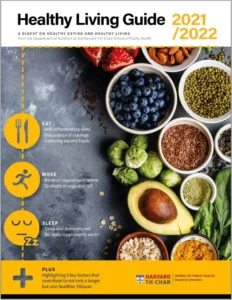


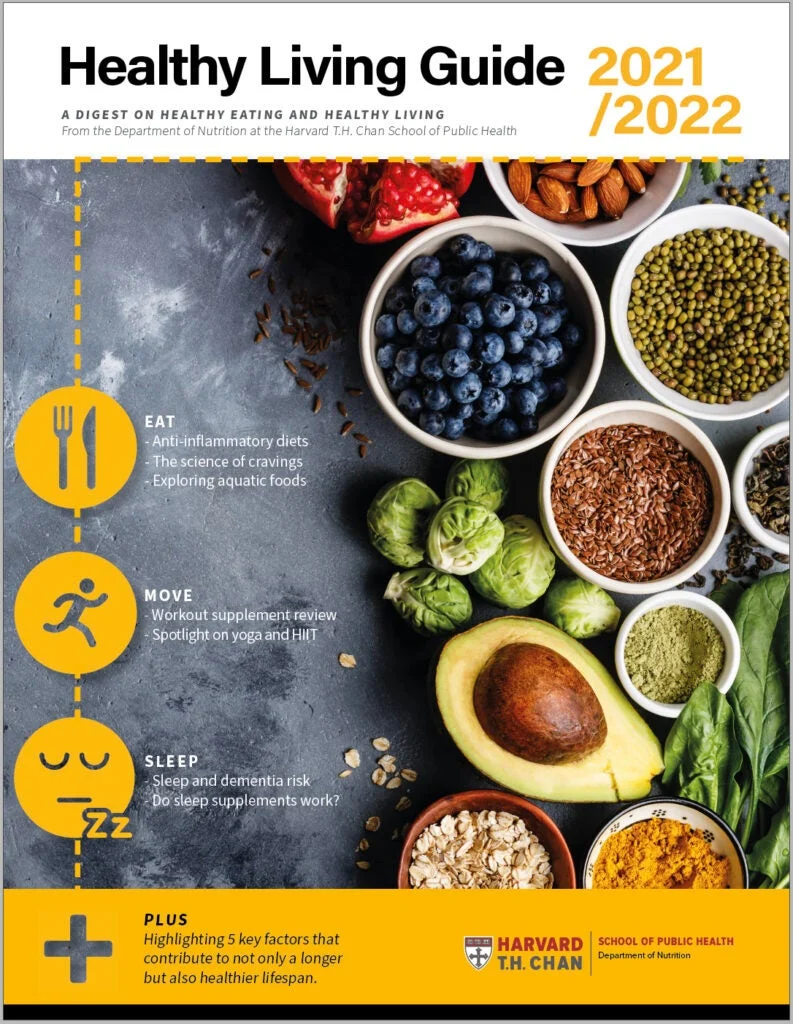
As the world transitions from the acute crisis phase of the COVID-19 pandemic into a complex, evolving "new normal," the relationship between human behavior, nutrition, and systemic health has undergone a profound transformation. The latest Healthy Living Guide from Harvard T.H. Chan School of Public Health serves as both a reflection of the past year’s challenges and a roadmap for sustaining wellness in an era of uncertainty. By synthesizing behavioral data, public health research, and lifestyle trends, this comprehensive digest provides an essential framework for those looking to reclaim their health in a post-2020 environment.
Main Facts: The Shift in Dietary and Lifestyle Patterns
The data from the past year suggests that we are witnessing a "correction" in the dietary habits that were violently disrupted during the initial lockdowns of 2020. In the early stages of the pandemic, panic, boredom, and isolation led to a surge in stress-eating and a reliance on home-prepared meals. As 2021 progressed, consumer behaviors shifted back toward more moderate patterns.
According to a seminal 2021 Food & Health Survey, the percentage of Americans who reported "snacking more" dropped significantly from 32% in 2020 to 18% in 2021. Similarly, reports of "eating more in general" fell from 20% to 11%. While these numbers suggest a return to pre-pandemic equilibrium, they also highlight a decline in the home-cooking surge, with only 47% of consumers reporting they were cooking more at home, compared to 60% the previous year.
This decline in home cooking is not merely a lifestyle trend; it is a public health signal. When individuals move away from home-prepared meals, they are statistically more likely to rely on processed, sodium-heavy, and caloric-dense convenience foods. Balancing the convenience of modern life with the nutritional necessity of home-prepared, whole-food diets remains one of the primary challenges for the modern household.
Chronology: The Evolution of Pandemic-Era Health
To understand where we are, we must look at the timeline of the "COVID-19 health transition":
- Early 2020 (The Lockdown Epoch): Characterized by extreme disruption, panic buying, and the "quarantine kitchen" phenomenon. Home cooking surged, but so did sedentary behavior and reliance on comfort foods to cope with acute anxiety.
- Late 2020 (The Adaptation Phase): Individuals began to normalize the work-from-home model. Physical activity plummeted as gyms closed, leading to the "COVID-19 weight" phenomenon.
- 2021 (The Adjustment Phase): A year of flux. Vaccines became available, and some social activities resumed. Survey data showed a stabilization of caloric intake but a distinct drop in the time dedicated to meal preparation.
- 2022 and Beyond (The Sustainable Health Epoch): The focus shifts from emergency adaptation to long-term chronic disease prevention, mental health restoration, and the integration of sustainable, healthy habits into a hybrid lifestyle.
Supporting Data: Disparities and Global Health
While much of the discussion around healthy living focuses on individual choices, the Harvard report emphasizes that these choices occur within a broader systemic context. The COVID-19 pandemic has exacerbated existing disparities in food security. While some populations were able to focus on "clean eating" and home fitness, millions of others were forced to choose between food and other essential expenses.
Furthermore, the pandemic continues to evolve. The emergence of new variants serves as a stark reminder that personal health is inextricably linked to global public health. The report underscores that the "new normal" is not just about diet and exercise—it is about the urgent need for global vaccination efforts, particularly in low- and lower-middle-income countries. Health equity is not a peripheral issue; it is the foundation upon which global wellness must be built.
Official Responses and Expert Perspectives
The Harvard T.H. Chan School of Public Health continues to champion a holistic approach to wellness. Their experts argue that health is not a destination but a practice. By revisiting core themes—eating well, being active, and prioritizing restorative sleep—the school provides a framework that bypasses the latest "fad diets" in favor of evidence-based lifestyle changes.
Their guidance emphasizes that even during times of stress, small, incremental changes yield the best long-term results. Whether it is incorporating more plant-based proteins, finding time for 30 minutes of moderate activity, or establishing a consistent sleep hygiene routine, these actions serve as a buffer against the physical and psychological stressors of the pandemic.
Implications: The Pillars of Modern Wellness
As we look toward the future, the implications of these trends are clear. Wellness in the 2020s must be characterized by three pillars:
1. Conscious Consumption
As home cooking rates fluctuate, the necessity for "conscious consumption" becomes paramount. This involves reading labels, understanding the impact of ultra-processed foods, and planning meals to ensure nutritional density. It is not enough to simply "cook"; one must prioritize whole grains, legumes, lean proteins, and a wide array of vegetables to counteract the potential health fallout of a sedentary, screen-heavy lifestyle.
2. The Movement Imperative
Sedentary behavior has become a primary health risk in the post-pandemic era. With many individuals maintaining remote or hybrid work schedules, the natural movement inherent in a traditional commute is gone. The Healthy Living Guide advocates for "intentional movement"—scheduling exercise as one would schedule a professional meeting. This includes integrating strength training, cardiovascular health, and flexibility exercises into the weekly routine to combat the risks associated with prolonged sitting.
3. Restorative Sleep as a Health Metric
Perhaps the most overlooked element of the Harvard-led research is the focus on sleep. Sleep is the bedrock of metabolic and immune health. The stress of the past two years has led to a global increase in sleep disorders. Prioritizing a consistent sleep-wake cycle, minimizing blue light exposure before bed, and creating a "sleep-friendly" environment are as critical to heart health as dietary changes.
Integrating Knowledge: Testing Your Healthy Living IQ
Education remains the most effective tool in the health practitioner’s arsenal. The Harvard guide includes a self-assessment module designed to test readers’ knowledge on nutrition and lifestyle.
Common Questions addressed in the guide include:
- How much daily fiber is truly necessary for cardiovascular protection?
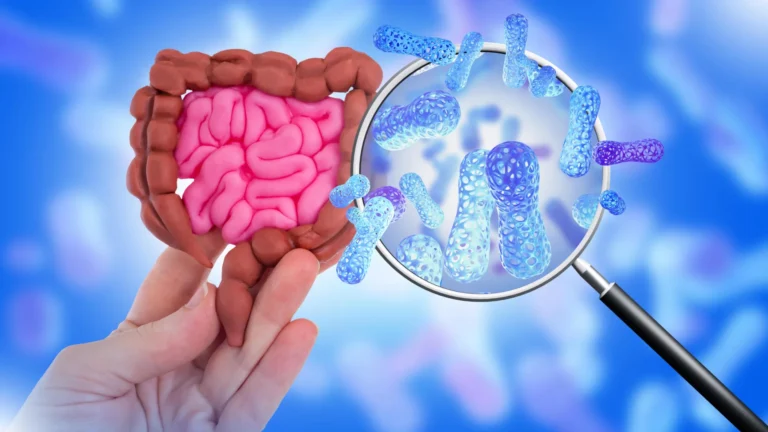
- What is the relationship between gut microbiome health and immune system function?
- How does sugar-sweetened beverage consumption impact the long-term risk of type 2 diabetes?
By engaging with these materials, readers can shift from passive consumers of health information to active participants in their own longevity. The guide encourages individuals to access the 2020-2021 archives to build a historical perspective on how health advice has evolved alongside the pandemic itself.
Conclusion: A Roadmap for a Fulfilling 2022 and Beyond
The transition to a "new normal" is not merely about returning to how things were; it is about building a better, more resilient version of the future. The Harvard T.H. Chan School of Public Health’s Healthy Living Guide provides the necessary resources to navigate this transition effectively.
By prioritizing evidence-based nutrition, maintaining physical activity despite shifting work habits, and ensuring the protection of the global community through vaccination and public health advocacy, we can move beyond the survival mode of the pandemic. As we step further into 2022, the goal is clear: to foster a culture of health that is sustainable, inclusive, and grounded in the latest scientific inquiry.
We encourage all readers to download the printable tip sheets, utilize the summaries provided in the guide, and take the first step toward a more vibrant, healthy life. Your health is the most important investment you will ever make—treat it with the consistency and attention it deserves.
For those interested in diving deeper into the research, the full Healthy Living Guide 2021-2022 (PDF) is available for download, offering comprehensive summaries and actionable tip sheets for your daily routine.