







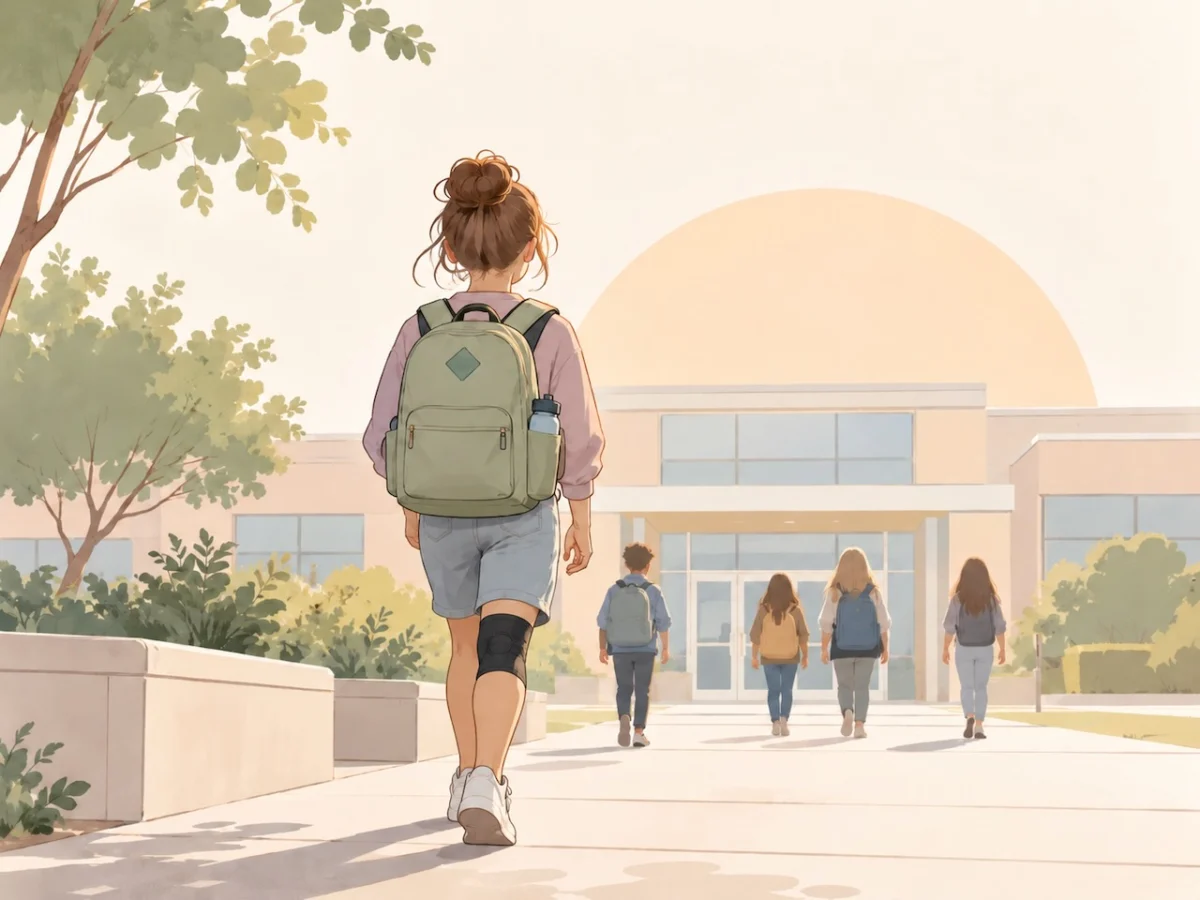
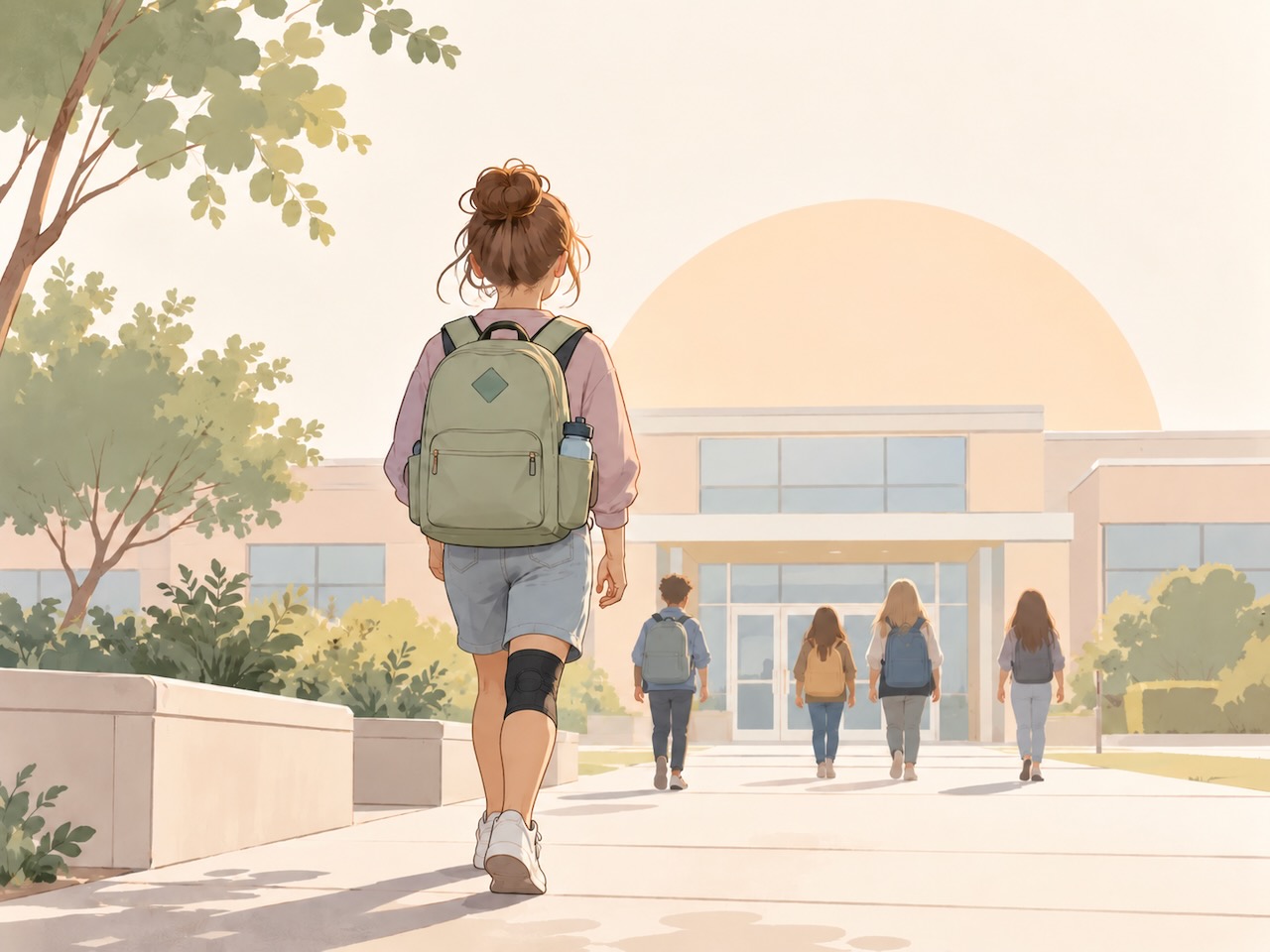
For most families, the "Back-to-School" season is defined by a frantic search for the right sneakers, fresh notebooks, and the excitement of a new academic calendar. However, for parents of children living with Ehlers-Danlos syndrome (EDS) and related Hypermobility Spectrum Disorders (HSD), the late-summer transition is defined by a much heavier burden. It is a season of administrative hurdles, medical documentation, and the quiet, persistent anxiety of preparing for a year where health is never a guarantee.
As we move further into the 2026 academic year, the conversation surrounding invisible disabilities in the classroom is shifting. No longer is success merely defined by a GPA or a perfect attendance record. For students navigating the complex, often unpredictable symptoms of EDS—such as chronic pain, joint dislocations, autonomic dysfunction, and profound fatigue—success must be redefined as a holistic achievement that prioritizes well-being, autonomy, and sustainable learning.
The Reality of the "Hidden" Checklist
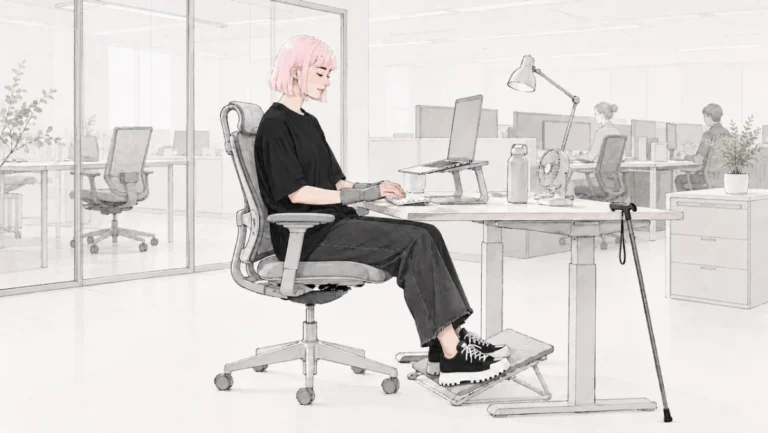
While the standard school supply list includes pens and calculators, the "EDS Checklist" is far more extensive. It involves the meticulous updating of 504 plans and Individualized Education Programs (IEPs), detailed consultations with school nurses, and the preparation of emergency protocols for potential medical flares.
Yet, even with a robust 504 plan in hand, many families face a reality that is difficult to articulate to school administrators: the road to graduation for a student with EDS is rarely a straight line. Academic performance often ebbs and flows in direct correlation with the student’s physical health. On "good" days, a student might keep pace with their peers; on "flare" days, they may require homebound instruction or significant academic modifications. The challenge for educators and parents alike is to build an environment that is flexible enough to accommodate this volatility without stigmatizing the student.
Structural Gaps in Modern Education
The central tension in the current system is the gap between policy and practice. Public schools globally are increasingly tasked with implementing complex, individualized support plans for students with diverse needs. However, these mandates are frequently unaccompanied by the necessary increases in funding, specialized training, or staffing.
Even when a 504 plan is drafted with the best intentions, the "dynamic" nature of EDS—where symptoms can change hourly—often conflicts with the rigid, structured nature of a traditional classroom. Teachers, while well-meaning, are often overwhelmed by large class sizes and standardized testing pressures, leaving little room for the nuance required to support a student whose needs change from first period to seventh.
The 2026 Data: A Snapshot of Student Experience
A landmark 2026 study published in The Journal of Special Education titled, "The Experiences of Youth With Disabilities In Accessing Supports Under Section 504," sheds light on why these systemic failures persist. In interviews with students aged 12–18, researchers found that students were rarely involved in the development of their own 504 plans.
Key Findings from the 2026 Study:
- Lack of Inclusion: Students reported feeling like "bystanders" in their own educational meetings, which contributed to a lack of agency over their own health needs.
- The Burden of Self-Advocacy: Students with invisible disabilities frequently reported the emotional toll of having to "re-introduce" their medical needs to every new teacher, often facing skepticism or outright refusal to comply with documented accommodations.
- Compliance Gaps: There is a measurable discrepancy between what is written in a legal document and what occurs in the classroom, emphasizing that parental advocacy remains the primary driver of educational access.
The data suggests that when students are not empowered to understand their own rights, they struggle to navigate the adversarial nature of some school environments. When the student is not a partner in their own plan, the plan itself becomes a brittle document that fails at the first sign of a conflict.
Advocacy Strategies for Parents and Educators
Improving educational outcomes requires a shift in approach—moving from "managing a condition" to "building a partnership."
1. Building Pre-emptive Partnerships
Do not wait for a grade to slip or a medical emergency to occur before engaging with teachers. Reach out early. When communicating, move beyond generalities. Instead of saying, "My child has pain," provide concrete examples: "My child’s pain and fatigue increase after physical exertion; therefore, they require permission to remain in the classroom during recess to conserve energy for afternoon lessons."
2. Utilizing Specialized Resources
Organizations like the Norris Lab have developed specialized tools, such as their "Signs That Your Student May Be Struggling With EDS" brochure. Distributing these to school staff can bridge the awareness gap. Furthermore, engaging with local educational advocates or nonprofits can provide parents with the legal and pedagogical expertise needed to navigate difficult IEP or 504 meetings.
3. Integrating Social and Emotional Support
There is a growing clinical recognition of the overlap between EDS/HSD and neurodivergence, such as autism and ADHD. For these students, the classroom is not just a place of academic struggle, but of sensory and social overstimulation. Schools must view "social access" as a necessary accommodation. If a student is isolating themselves due to pain or fatigue, teachers and counselors should be tasked with creating inclusive, low-energy social opportunities that allow for connection without the pressure of physical activity.
The Student’s Voice: Balancing Autonomy and Protection
Perhaps the most crucial, and often overlooked, aspect of the back-to-school journey is the student’s own desire for autonomy. As noted by personal experiences within the EDS community, there is a profound difference between what a parent views as "necessary safety" and what a child views as "social independence."
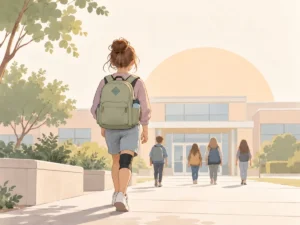
Consider the case of a student with a mobility aid or a chronic pain condition. A parent may want to inform every teacher and peer to ensure the child is never bumped or jostled. However, the child—particularly in middle and high school—may prioritize blending in above all else. They may fear that "extra" attention will further alienate them from their peers.
Parents must engage in honest, ongoing dialogues with their children:
- What information do you want your teachers to have?
- How do you want to handle it if a peer asks about your brace or your absence?
- Do you feel comfortable advocating for yourself, or would you prefer I take the lead?
This allows the student to retain a sense of control over their identity, ensuring that their medical condition is a part of their story, but not the entirety of it.
Looking Forward: Redefining the Goal
The goal of a successful school year for a child with EDS is not the same as it is for their peers. Success, in this context, is the ability to navigate the school system while maintaining physical and emotional health. It is the ability to advocate for one’s needs, the feeling of belonging within a school community, and the resilience to continue learning despite the hurdles of a chronic illness.
As we continue to push for better systemic support—more staffing, better training, and stricter compliance—we must also celebrate the quiet victories: the day a student successfully explains their needs to a new teacher, the day they advocate for their own rest, and the day they realize that their health journey does not define their intelligence or their potential.
Every student, regardless of their physical limitations, deserves to feel that they are a valued member of the classroom. By revising our checklists and centering the voices of the students themselves, we can build an educational landscape where every child has the support they need to learn, belong, and become who they are capable of becoming.
Author: DM Sullivan
Producer, Complicated
Founder & Executive Director, Elevate Rare
September 2026