







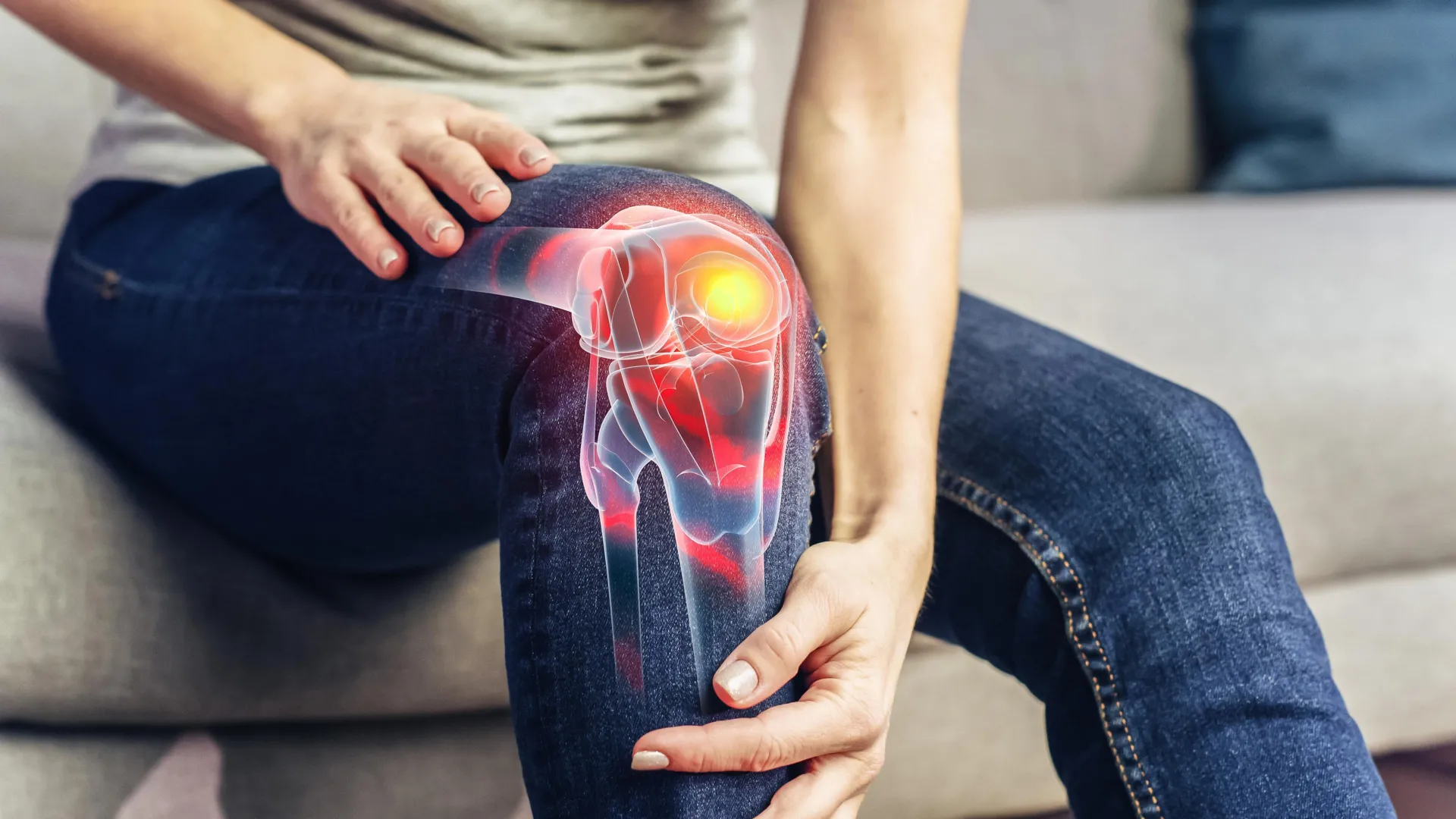
For millions of people living with knee osteoarthritis (OA), the daily reality is a relentless cycle of stiffness, swelling, and chronic pain that turns simple tasks like climbing stairs or walking to the grocery store into formidable challenges. Traditionally, management has centered on a combination of pain medication—often fraught with side effects—and physical therapy, a regimen that is medically effective but notoriously difficult for patients to maintain.
However, groundbreaking new research from the University of Nottingham suggests that the path to pain relief may not lie in the pharmacy or the gym alone, but in the digestive system. A clinical trial published in the journal Nutrients reveals that a daily prebiotic fiber supplement, inulin, significantly reduces arthritis pain while bolstering muscle strength, offering a compelling new front in the battle against chronic joint disease.
The INSPIRE Trial: A New Paradigm in Symptom Management
The study, known as the INSPIRE trial, was a six-week, randomized controlled investigation involving 117 adults suffering from knee osteoarthritis. The researchers aimed to determine if dietary interventions could influence the body’s pain-processing mechanisms and muscle function through the gut microbiome.
Participants were divided into four distinct cohorts to test the efficacy of different management strategies:
- Inulin Group: Daily intake of an inulin fiber supplement.
- Physical Therapy Group: Digitally supported exercise (PSE) programs.
- Combination Group: A synthesis of both the inulin supplement and physical therapy.
- Placebo Group: A control group receiving no active treatment.
The results were striking. While both the inulin supplement and physical therapy were independently effective at reducing knee pain, the fiber supplement demonstrated unique benefits that physical therapy could not replicate. Participants who incorporated inulin into their daily diet showed marked improvements in grip strength—an indicator of overall physical resilience—and, perhaps most importantly, a decrease in pain sensitivity.
The "Stickiness" Factor: Adherence in Clinical Care
One of the most significant obstacles in chronic disease management is patient compliance. Physical therapy, while beneficial, requires time, discipline, and the physical capacity to perform exercises, often while in pain. The INSPIRE trial highlighted a massive disparity in how patients engage with these treatments.
The data revealed that only 3.6% of participants assigned to the inulin-only group dropped out of the study. In stark contrast, 21% of those assigned to the physical therapy-only group discontinued their participation. This suggests that for patients already burdened by the daily struggle of osteoarthritis, a simple dietary change—adding a scoop of fiber to yogurt or a breakfast drink—is far more sustainable than a rigorous exercise regimen, potentially making it a more viable public health intervention for aging populations.
How the Gut Microbiome Communicates with Joints
To understand why a fiber supplement would affect a knee joint, one must look at the gut microbiome—the complex ecosystem of trillions of bacteria residing in our digestive tracts. Inulin, a prebiotic fiber found naturally in chicory root and Jerusalem artichokes, is not broken down by the small intestine. Instead, it travels to the large intestine, where it acts as a primary fuel source for beneficial bacteria.
As these bacteria ferment the inulin, they produce short-chain fatty acids (SCFAs), most notably butyrate. Butyrate is a biological powerhouse that supports the intestinal lining, modulates systemic inflammation, and influences the pathways that dictate how the human nervous system interprets pain.
Furthermore, the researchers identified an increase in glucagon-like peptide-1 (GLP-1) among those taking the supplement. While GLP-1 is currently famous as the target of weight-loss drugs like Ozempic and Wegovy, in this study, the body produced the hormone naturally in response to the improved gut environment. Higher levels of GLP-1 correlated with improved grip strength, hinting at a biological "gut-muscle-pain axis" that scientists are only just beginning to map.
Chronology of the Discovery: From Bench to Bedside
The journey to these findings began with the growing realization that chronic pain is not merely a localized issue of "wear and tear" within a joint, but a systemic condition influenced by immune health and systemic inflammation.
- Initial Observations: Researchers noted that patients with OA often exhibited different gut microbiome profiles than healthy individuals, prompting the hypothesis that gut health influences the severity of arthritic symptoms.
- Trial Design: The University of Nottingham team developed the INSPIRE trial to rigorously test the hypothesis that nourishing the gut could, in turn, quiet the nervous system’s pain signaling.
- The Six-Week Window: Over the course of the six-week study, researchers meticulously tracked markers of inflammation, hormonal changes (specifically GLP-1), and physical performance metrics like grip strength and pain thresholds.
- Publication: The data was synthesized and published in Nutrients, sparking a conversation about the future of rheumatology and the role of "nutritional pharmacology."
Supporting Data and Biological Mechanisms
The connection between the gut and the joints is not as abstract as it may seem. The research team identified three primary biological pathways through which inulin exerts its effects:
- Reduction in Pain Sensitivity: By modulating the immune system, the gut-derived SCFAs help reduce the systemic inflammation that makes nerves hypersensitive. This explains why patients reported less pain even when their objective joint damage remained the same.
- Butyrate Production: This fatty acid serves as a signal to the body to reduce inflammation, effectively "cooling down" the inflammatory response that exacerbates osteoarthritis.
- GLP-1 Mediation: The increase in this hormone suggests that the body’s metabolic response to food is intrinsically linked to muscle maintenance. As patients age, maintaining muscle mass is critical for protecting joints; this study suggests that a healthy gut may be a secret ally in maintaining that strength.
Official Responses and Expert Perspectives
The academic and medical community has met the findings with cautious optimism.
Dr. Afroditi Kouraki, the study’s lead author, emphasized the accessibility of the intervention. "Our findings suggest that targeting gut health with a prebiotic supplement is a safe, well-tolerated, and effective way to reduce pain," she stated. She noted that the low dropout rate is particularly encouraging for public health initiatives, as it removes the barrier of physical difficulty associated with traditional physical therapy.
Professor Ana Valdes, the study’s senior author, pointed toward the broader implications of the "gut-muscle-pain axis." She noted that the link between GLP-1 and grip strength is an area requiring significant further research, as it could eventually provide insights into how we address the physical decline that accompanies aging, far beyond just arthritis.
Professor Lucy Donaldson, Director of Research at Arthritis UK, highlighted the human impact of these findings. "The pain of arthritis can severely impact quality of life," Donaldson noted. "Our recent lived experience survey showed that six in ten people are living in pain most or all of the time. This exciting preliminary research highlights how diet and physiotherapy can act in different ways to have benefits for people with arthritis."
Implications for Future Treatment
While the findings are promising, experts caution that this is not a "magic bullet." The study was limited by its six-week duration and relatively small sample size. Large-scale, long-term clinical trials are necessary to determine if the benefits of inulin persist over years rather than weeks, and to identify which specific patients—based on their unique microbiome signatures—are most likely to respond to this treatment.
Furthermore, it is critical to note that the researchers do not suggest replacing exercise or medical supervision with fiber supplements. Instead, the study advocates for a "combination approach." By using diet to lower pain sensitivity and systemic inflammation, patients may find it easier to engage in the physical activity that is vital for long-term joint health.
The study effectively shifts the narrative of osteoarthritis from a purely mechanical problem—the erosion of cartilage—to a systemic one. By viewing the body as a holistic network where the digestive system influences the joints and the nerves, medicine may be on the cusp of a new era of management. For the millions of people who wake up in pain every morning, the solution might just be found in the pantry, offering a path to relief that is as simple as it is profound.