









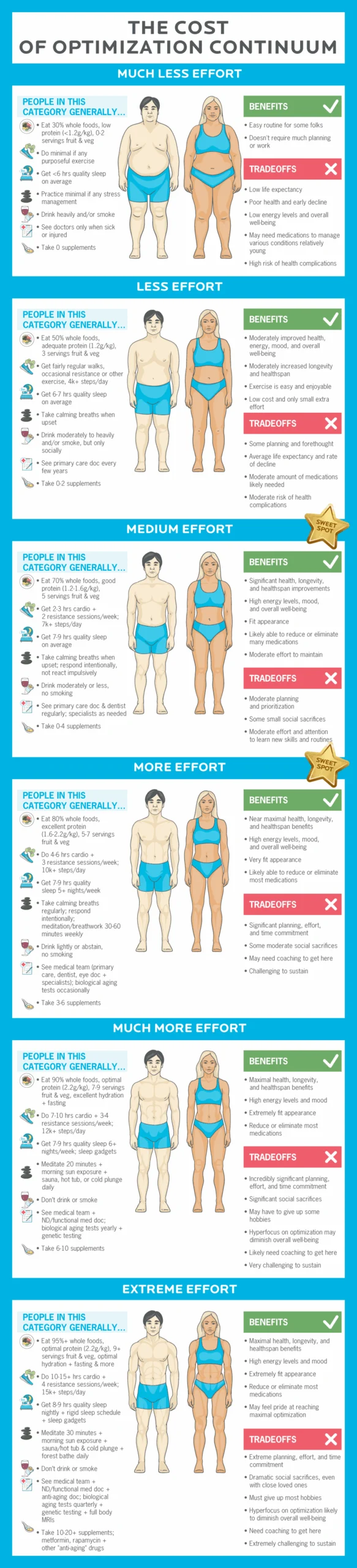
In the modern era, the quest for immortality—or at least an extended "healthspan"—has moved from the fringes of science fiction to the mainstream of our daily digital diet. Podcasts, social media feeds, and best-selling books are saturated with advice from high-profile biohackers and health experts who promise that with enough tracking, supplementation, and rigorous protocol, we can fend off disease and remain youthful into our 90s and beyond.
The pitch is undeniably seductive: Who wouldn’t want to feel more energetic, stay lean, and maximize their time on this earth? Yet, for the average person, this pursuit often leads to a paralyzing sense of overwhelm. The modern longevity movement frequently demands an extraordinary investment of time, money, and mental bandwidth.

But as we peel back the layers of "optimization culture," a critical question emerges: Is all this effort truly necessary? Are we chasing marginal gains at the expense of our actual quality of life?
The Myth of Optimization
For those who have spent years coaching individuals through real-world health transformations, one truth remains constant: "Optimal" is rarely realistic, and more importantly, it is rarely necessary.

The longevity space is currently dominated by four dangerous myths:
- The "Basics aren’t enough" Myth: There is a pervasive belief that standard health advice—sleep, movement, nutrition—is insufficient for long-term survival. In reality, the basics are profoundly effective; the problem is that very few people perform them with 80–90 percent consistency.
- The "More is better" Myth: The human body does not operate on a linear scale of "more effort equals more health." There is a clear law of diminishing returns in fitness and nutrition.
- The "Cutting-edge" Myth: Much of the fringe advice regarding supplements and advanced protocols is based on theoretical models or animal studies. These methods often lack human-trial validation and, in some cases, may even pose safety risks.
- The "All or nothing" Myth: Many people feel that if they cannot adhere to a perfect 5:00 a.m. training regimen, they might as well abandon healthy habits entirely. Data shows that even moderate consistency produces significant, measurable health outcomes.
Chronology of Health Behaviors: What Actually Matters
To understand how to age well, we must look at the foundational pillars that have been consistently linked to longevity across decades of peer-reviewed research.

1. Movement: The U-Shaped Curve
Physical activity is the cornerstone of health, but it follows a U-shaped curve. Sedentary behavior is a leading cause of premature death, but extreme "overtraining" can lead to cardiac issues, hormonal disruption, and chronic fatigue.
Studies suggest that the "sweet spot" for most people involves 150 to 300 minutes of moderate-intensity aerobic activity per week, paired with at least three resistance training sessions. Resistance training is particularly vital for longevity, as it preserves muscle mass and bone density, significantly reducing the risk of falls—a primary cause of injury and mortality in older adults.

2. Nutrition: The Power of the "Whole"
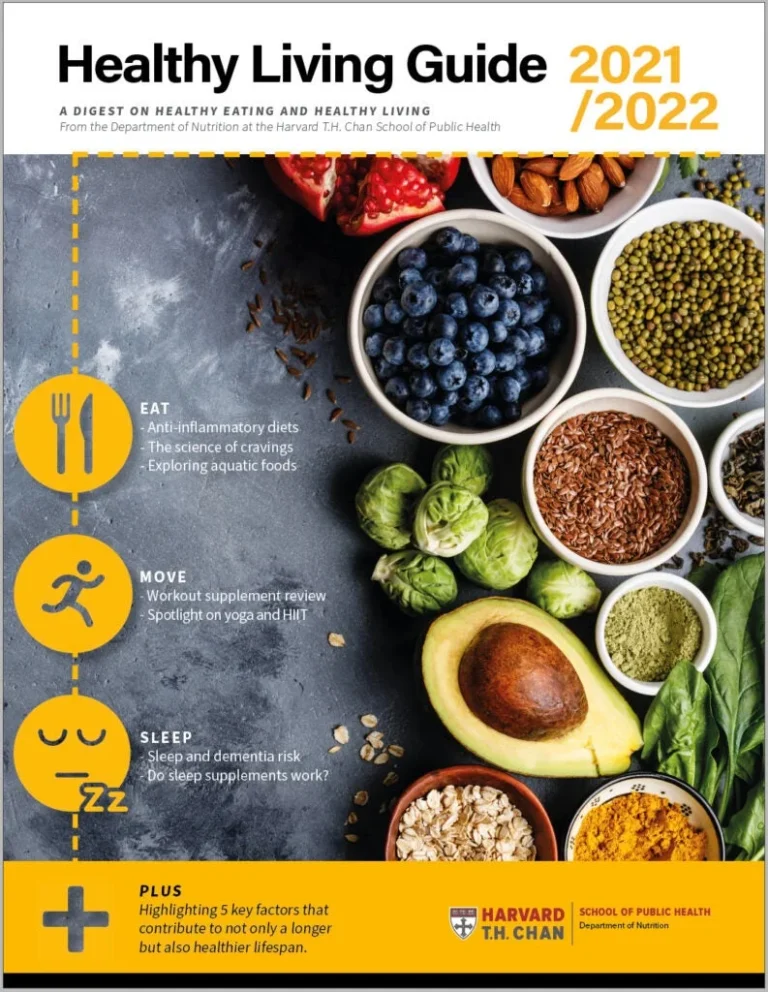
The most effective diet for longevity is not a complex, restrictive protocol; it is one based on whole, minimally processed foods. Research spanning 10 million participants has linked ultra-processed foods (UPFs) to 32 distinct health harms, including type 2 diabetes, obesity, and cardiovascular disease.
The goal is to move along the continuum toward whole foods, aiming for a diet where 70–80 percent of calories come from minimally processed sources. Additionally, the "five-a-day" rule for fruits and vegetables remains a gold standard, associated with a 13 percent lower risk of all-cause mortality.

3. Sleep: The Biological Reset
Sleep is not a luxury; it is a critical health intervention. Research indicates that individuals who secure 7 to 9 hours of quality sleep per night live significantly longer than those who are sleep-deprived. Chronic sleep loss is directly linked to an increased risk of dementia, cardiovascular disease, and metabolic dysfunction.
4. Stress and Connection
Modern longevity discourse often ignores the "invisible" pillars: stress management and social connection. The Harvard Study of Adult Development—the longest-running study of its kind—found that strong social relationships are the single most significant predictor of life satisfaction and longevity, outranking wealth, IQ, and even genetics. Loneliness, conversely, is as dangerous to your health as smoking 15 cigarettes a day.

Supporting Data: The Return on Investment
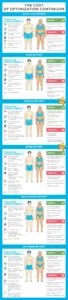
When we analyze the "cost" of health, we find that the middle ground provides the highest return on investment.
- Exercise Efficiency: Moving from zero exercise to a moderate amount provides massive health benefits. Increasing that to an elite, competitive level provides only incremental improvements while exponentially increasing the risk of injury.
- Nutritional Plateau: Once you reach five servings of produce per day, further increases in intake provide diminishing returns for mortality risk reduction.
- Financial and Temporal Costs: Following an "optimizer" lifestyle can cost three to four times more in time and money than a standard "healthy" lifestyle. If that investment forces you to sacrifice sleep, social connection, or mental peace, you are essentially trading your "deep health" for a theoretical, marginal gain in lifespan.
Official Perspectives and Expert Consensus
Health organizations, including the WHO and the American Heart Association, consistently emphasize that the greatest gains in public health would come not from new medical breakthroughs, but from the mass adoption of basic, evidence-based behaviors.

Regarding supplements, the consensus is sobering: while they can address specific deficiencies (like Vitamin D or iron), they are not a substitute for a lifestyle. Many trendy supplements—like those claiming to modulate aging via cellular pathways—remain unproven in humans, and some carry the risk of liver damage or drug interactions.
The Implications: Finding Your "Deep Health"
The final, and perhaps most important, piece of the puzzle is purpose. Research shows that individuals with a clear sense of meaning in their lives—whether through family, work, or community—experience better health outcomes. This purpose often creates the internal motivation required to sustain healthy habits over a lifetime.

Moving Forward: A Strategy for You
If you are currently overwhelmed by the noise of the longevity industry, follow this four-step plan:
- Clarify Your Goals: Determine what you actually want your life to look like. Does your health plan support the life you want to lead, or is the plan becoming the life itself?
- Acknowledge Trade-offs: Be honest about your resources. If you only have one hour a day to dedicate to health, spending that time on complex tracking or supplement research is a poor trade for a brisk walk or a high-quality meal with family.
- Master the Basics: Audit your current habits. Are you hitting the 80/20 mark on sleep, movement, and nutrition? If not, stop looking for "hacks" and focus entirely on these fundamentals.
- Tune Out the Noise: Remember that influencers and biohackers are not experts on you. Your health is personal, and your path to longevity should be sustainable, not a chore.
Ultimately, the most successful longevity strategy is the one you can actually keep up for the next forty years. By focusing on foundational behaviors and rejecting the pressure to be "optimal," you aren’t just increasing your odds of living longer—you are ensuring that the life you live is one worth having.