










As the leaves turn and the calendar approaches the year’s end, millions of Americans are preparing for a critical window in their financial and physical health management: Medicare Open Enrollment. From today through December 7, 2026, beneficiaries have the opportunity to review, adjust, and optimize their healthcare coverage for the 2027 calendar year. With shifting regulations, new drug price negotiations on the horizon, and evolving plan structures, the stakes for making an informed decision have never been higher.
For those navigating the complexities of Medicare, the message from experts is clear: complacency is a risk. By failing to review current plans, beneficiaries may find themselves facing unexpected premium hikes, restrictive provider networks, or, worse, a lack of coverage for essential medications.
The Essential Facts: What You Need to Know
The Medicare Open Enrollment period is not merely a bureaucratic formality; it is an annual reset button for your healthcare. Any changes made between now and the December 7 deadline will officially take effect on January 1, 2027. During this window, you have the flexibility to switch between Original Medicare and Medicare Advantage, change your Part D prescription drug plan, or add/drop supplemental coverage. There is no limit to the number of changes you can make before the deadline, allowing beneficiaries to experiment with different plan configurations until they find the one that best suits their medical and financial needs.
Key Updates for 2027
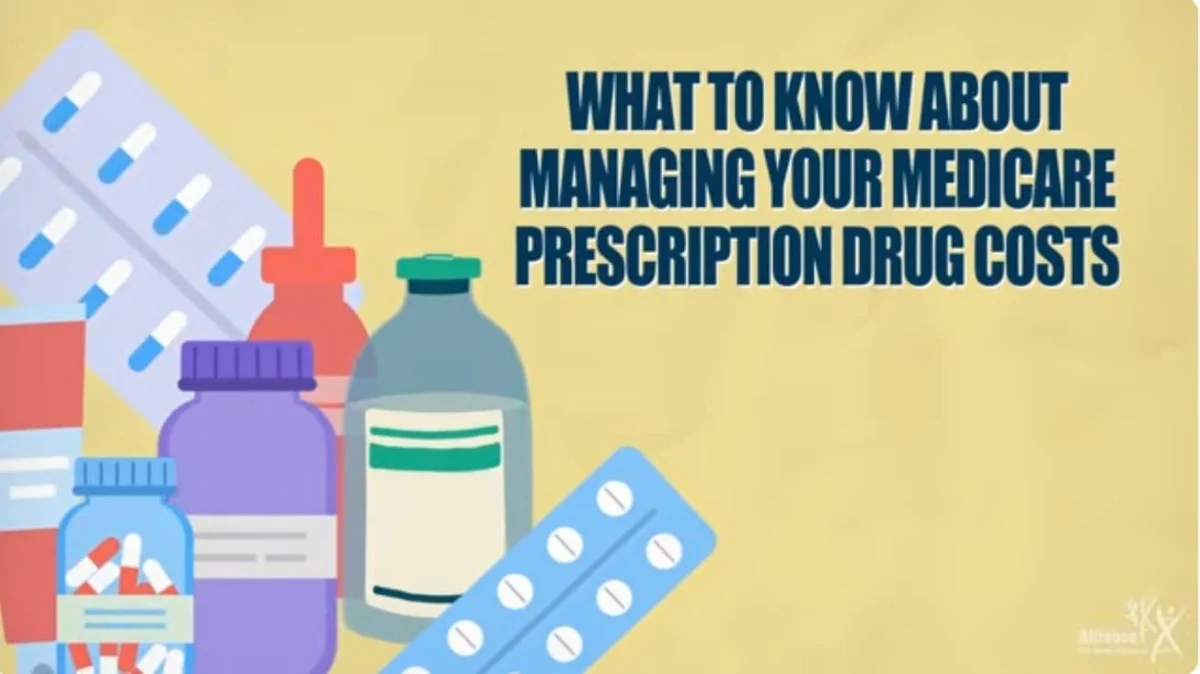
The landscape of Medicare Part D—the component responsible for prescription drug coverage—has undergone significant updates to account for economic shifts. Perhaps most notably, the maximum out-of-pocket spending limit for beneficiaries has been adjusted to $2,400 for the 2027 calendar year. This cap is a vital safeguard, designed to protect seniors from catastrophic drug costs.
Furthermore, the Medicare Prescription Payment Plan (MP3) continues to be a cornerstone of federal policy. This program allows beneficiaries to spread their annual out-of-pocket prescription costs into predictable, interest-free monthly installments. If you are already enrolled in an MP3, your participation will carry over into 2027; however, if you choose to switch your Part D plan during this open enrollment window, you will be required to re-enroll in the payment plan to maintain that benefit.
A Chronological Overview: The Enrollment Roadmap
To successfully navigate the season, it is helpful to view the enrollment period as a structured, multi-step process:
- October 15, 2026: The official start of the Open Enrollment Period. This is when plan details for 2027 are fully finalized and made available via the official Medicare Plan Finder tool.
- Late October 2026: This is the ideal time to attend educational forums, such as the Alliance for Aging Research’s "Bang For Your Buck" event. Gathering information early prevents the "last-minute rush" that often leads to poor decision-making.
- November 2026: The mid-period phase. By now, you should have received your Annual Notice of Change (ANOC) from your current insurer. Review this document against your current health status and any new medications you may have been prescribed.
- December 7, 2026: The final deadline. Any applications submitted after this date will generally not be processed until the following year, potentially locking you into a plan that no longer serves your needs.
- January 1, 2027: New coverage begins. This is the date when your new premiums, deductibles, and network restrictions go into effect.
Supporting Data: Why Annual Reviews Matter
The healthcare market is dynamic, and plan offerings change annually. Insurance carriers frequently adjust their provider networks, meaning a physician who was "in-network" last year may be "out-of-network" in 2027. Failing to verify this can result in thousands of dollars in surprise medical bills.
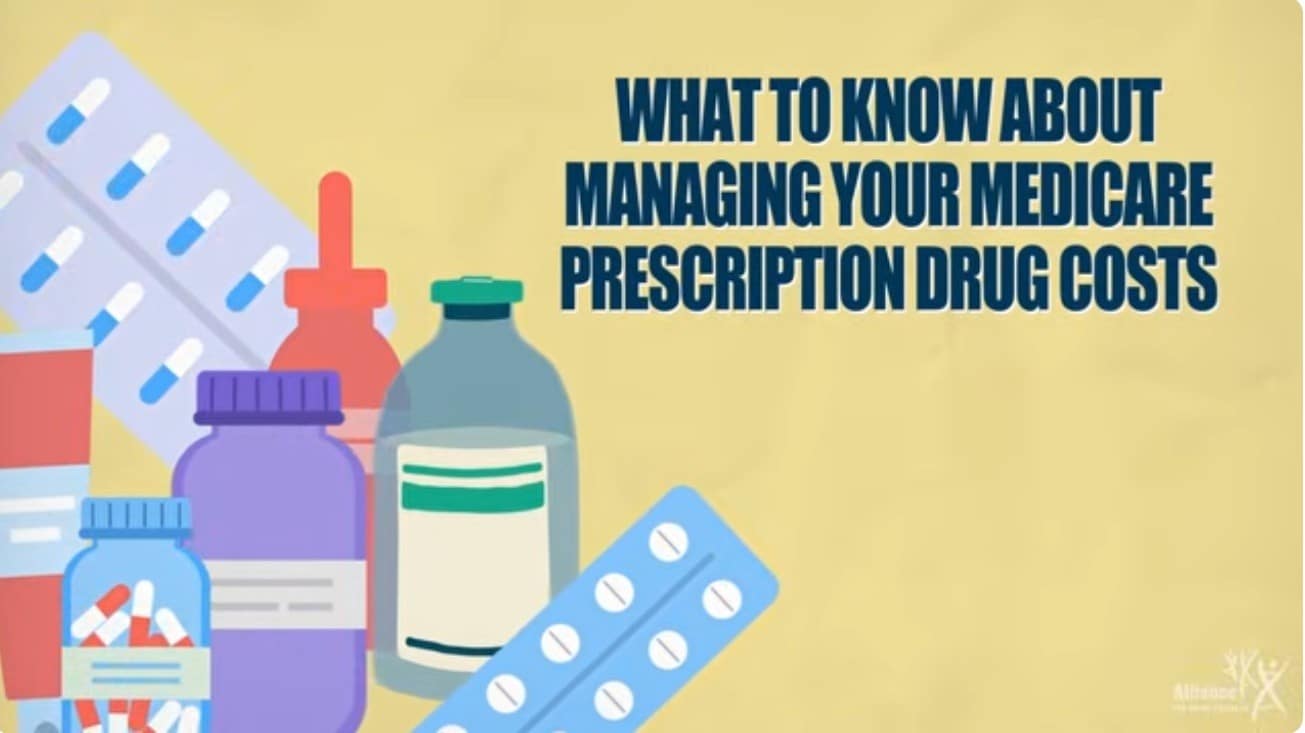
Moreover, the formulary—the list of drugs covered by a plan—is subject to change. A medication that was fully covered in 2026 might be relegated to a higher "tier" in 2027, requiring a significantly higher co-pay or coinsurance. The complexity of these tiers often obfuscates the true cost of care. For instance, many plans have pivoted away from fixed-dollar copayments toward a percentage-based coinsurance model. While this might look attractive on a marketing brochure, it exposes the beneficiary to the full volatility of drug price increases.
The Emerging Landscape of Drug Costs
The Centers for Medicare & Medicaid Services (CMS) recently announced that 15 high-expense prescription drugs have been added to the list for potential price negotiations. While this represents a monumental shift toward long-term affordability, it is important to manage expectations: the lower costs resulting from these specific negotiations are not slated to take effect until January 1, 2028. Therefore, for the 2027 calendar year, beneficiaries must rely on existing plan protections and careful comparison shopping to manage immediate expenses.
Implications: The Rise of Utilization Management
One of the most concerning trends in recent Medicare Advantage policy is the increasing prevalence of "utilization management" tools. To control costs, many plans now require "prior authorization" for a wide array of procedures, diagnostic tests, and specialty medications.
These requirements often create a "friction point" between the patient and the physician. When a doctor recommends a specific treatment, the plan may require the patient to undergo "step therapy"—the practice of trying one or more cheaper, "preferred" alternatives before the insurance will cover the doctor’s originally recommended medication. While these policies are designed to reduce overall system costs, they can delay necessary care and frustrate both patients and healthcare providers.
When reviewing your 2027 plan options, it is imperative to look beyond the monthly premium. Examine the plan’s Evidence of Coverage (EOC) document for language regarding prior authorization and step therapy for the specific medications or treatments you anticipate needing.
Official Guidance and Resources
Navigating the nuances of Medicare can feel like a full-time job. Fortunately, the federal government supports a robust infrastructure of assistance. The State Health Insurance Program (SHIP) is the gold standard for unbiased, local guidance. SHIP counselors are trained to provide one-on-one assistance to Medicare beneficiaries, their families, and caregivers, free of charge.
Because these counselors are funded through government support and do not receive commissions from insurance companies, they provide a level of objective, conflict-free advice that is difficult to find elsewhere. They can help you decipher complex plan language, clarify whether your local hospital is in-network, and explain the intricacies of the Medicare Prescription Payment Plan. To find a local counselor, you can visit shiphelp.org or call 877-839-2675.
Expert Insight: The "Bang For Your Buck" Initiative
Recognizing the overwhelming nature of these decisions, the Alliance for Aging Research, in partnership with The Hill, is hosting a high-level educational event titled, "Bang For Your Buck: Get the Most from Your 2027 Medicare Benefits."
Taking place on October 28, 2026, at Top of the Hill in Washington, D.C., and available via a global livestream, the event will feature industry experts, policy analysts, and patient advocates. The goal is to demystify the enrollment process and provide actionable strategies for maximizing benefits. As the healthcare system continues to evolve, events like these are essential for ensuring that beneficiaries remain the primary stakeholders in their own health journeys.
Conclusion: Taking Control of Your Future
Medicare Open Enrollment is more than a checklist; it is an investment in your peace of mind. By proactively reviewing your options, leveraging the support of programs like SHIP, and attending educational sessions, you can mitigate the impact of rising health costs and ensure that your 2027 coverage aligns with your personal health needs.
Do not wait until the final days of December to begin your search. Start today, visit LowerOutOfPocketCosts.org for detailed breakdowns, and take the time to compare your current plan against the marketplace offerings. Your health is your most valuable asset—ensure your coverage is working as hard as you are to protect it.
Matthew Thompson is the Digital Communications Manager at the Alliance for Aging Research. His work focuses on empowering older adults and their caregivers with the information necessary to navigate the complex Medicare system effectively.