









As the vibrant hues of autumn foliage blanket the landscape and the sweltering heat of summer gives way to a crisp, cooling breeze, the seasonal transition brings a unique set of circumstances for the aging population. While the fall months—culminating in the festivities of Halloween—are often associated with nostalgia and comfort, they also present a nuanced array of physiological and environmental challenges.
For older adults, the shift toward shorter days and colder temperatures is not merely a change in the calendar; it is a period that requires heightened vigilance. From the increased risk of falls caused by obscured pathways to the physiological impacts of reduced sunlight on vision and mood, the autumn season demands proactive adjustments to daily routines.
Main Facts: The Intersection of Aging and Environmental Shifts
The primary challenge of the autumn season for seniors lies in the degradation of environmental predictability. As Daylight Savings Time nears its conclusion and the sun begins to set noticeably earlier, older adults face a significant increase in risks related to mobility, visibility, and thermal regulation.
According to public health data, the fall season correlates with a statistically significant uptick in home-based accidents. The convergence of leaf litter, which hides uneven pavement, and the gradual loss of ambient light creates a "visibility gap." This is compounded by the natural aging process, which alters the eye’s ability to adjust to low-light conditions. Furthermore, the body’s internal thermostat—the hypothalamus—becomes less efficient with age, making older adults more susceptible to hypothermia and cold-related stress even before the deep freeze of winter sets in.
Chronology of Seasonal Risks
To better understand the progression of these risks, it is helpful to view the season through a chronological lens:
- Early Autumn (The Transition): The primary concern is the physical environment. As leaves fall, they accumulate on walkways and driveways. This layer of organic matter acts as a slip hazard and masks structural defects in concrete, such as cracks or gaps.
- Mid-Autumn (The Visibility Shift): As the sun dips below the horizon earlier each day, the "Golden Hour" of visibility shrinks. This is the period where the risk of falls inside the home begins to rise as ambient light fails to penetrate interior spaces as effectively as it did in summer.
- Late Autumn (The Thermal Challenge): As November approaches, the temperature becomes volatile. Morning frost followed by afternoon warmth creates a cycle of potential injury if clothing choices do not account for these rapid fluctuations. This is also the period where mental health concerns, such as the onset of Seasonal Affective Disorder (SAD), begin to emerge due to the drastic reduction in total sunlight exposure.
Supporting Data: Why Caution is Required
The data supporting these concerns is robust. The Alliance for Aging Research consistently highlights that falls remain the leading cause of injury-related emergency room visits among older adults. A study published in the Journal of Gerontology suggests that contrast sensitivity—the ability to distinguish an object from its background—decreases by roughly 20% to 30% between the ages of 60 and 80. This makes navigating a dimly lit hallway or an uneven sidewalk in the evening exponentially more dangerous than it would be for a younger person.
Furthermore, statistics from the National Institute on Aging indicate that older adults are more prone to "cold stress." Because the body’s metabolic rate slows with age, the ability to generate heat is reduced. When paired with common medications for hypertension or cardiovascular health, which can interfere with the body’s natural cooling and warming mechanisms, the risk of weather-related illness becomes a year-round concern that intensifies significantly as thermometers drop.
Official Guidance: Practical Mitigation Strategies
To combat these challenges, experts recommend a layered approach to home and personal safety.
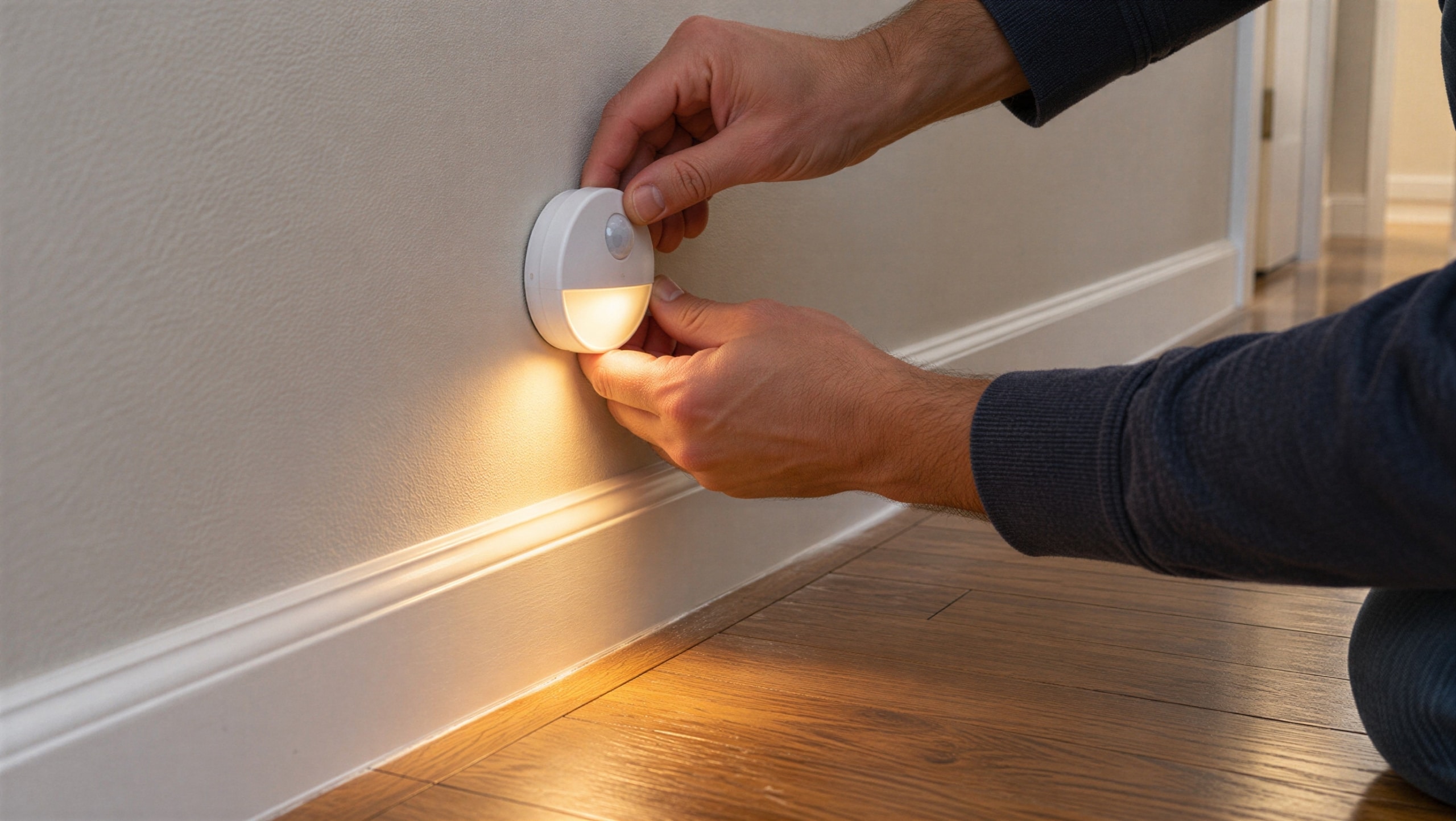
Lighting the Way to Prevent Falls
The most effective defense against indoor falls is a well-lit environment.
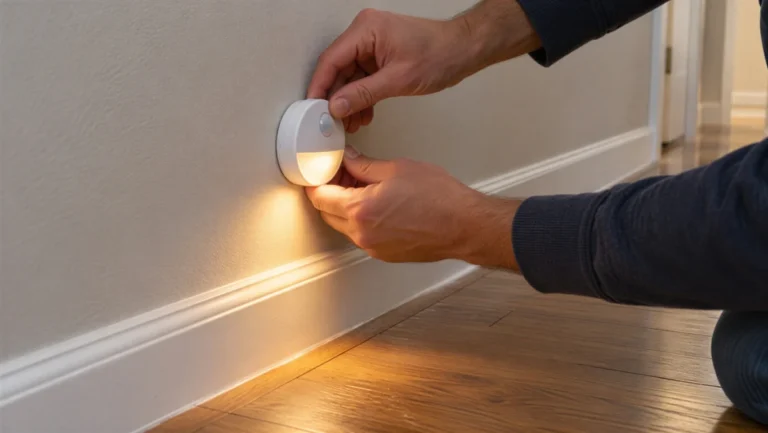
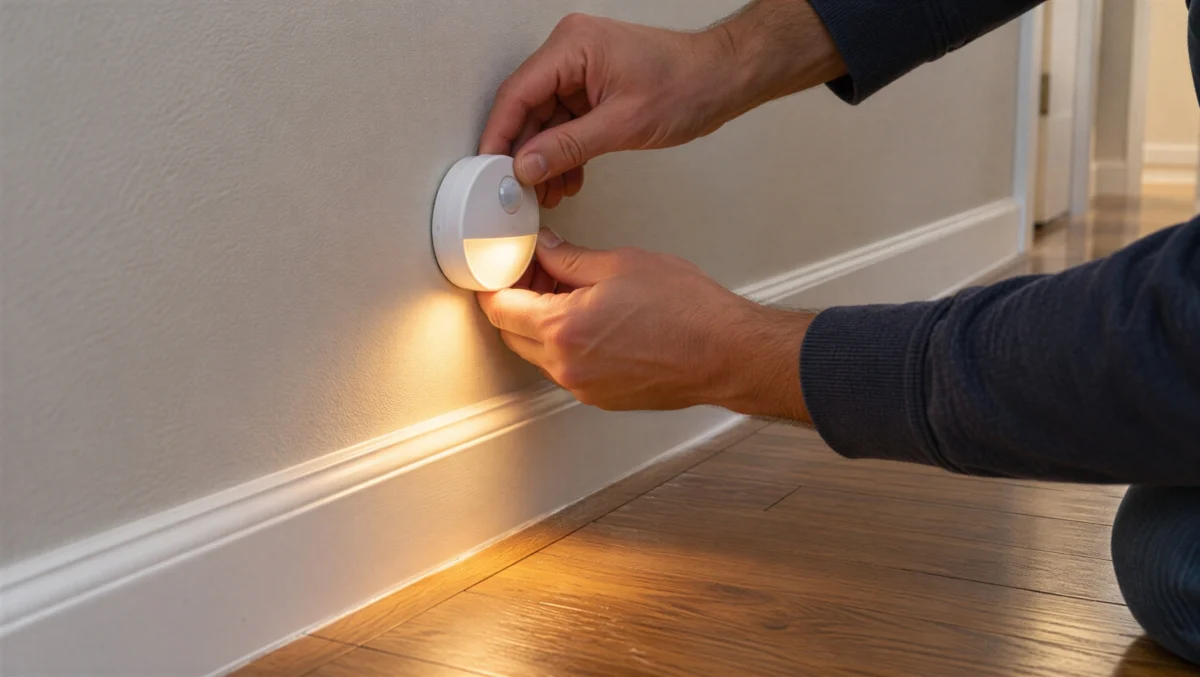
- Smart Automation: Implementing motion-activated lighting in hallways, bathrooms, and entryways ensures that a senior never has to fumble for a light switch in the dark.
- Solar Solutions: Outdoor walkways should be lined with solar-powered path lights. These not only illuminate potential hazards but also provide a visual guide for guests and service workers.
- Decluttering: The "fall cleaning" process is just as important as spring cleaning. Removing loose throw rugs, clearing power cords from walkways, and ensuring that high-traffic areas are free of seasonal decorations is critical.
Optimizing Travel and Transportation
Driving at night is one of the most common activities that older adults voluntarily relinquish, and for good reason. The increased sensitivity to glare from oncoming headlights and the reduced ability to see in peripheral low-light conditions make nighttime travel a high-risk activity.
- Daylight Scheduling: Shift all essential errands, medical appointments, and social visits to the hours between 10:00 a.m. and 3:00 p.m.
- Vehicle Maintenance: For those who continue to drive, ensuring that windshields are free of streaks and that wiper blades are replaced before the first frost is non-negotiable.
Thermal Management
Dressing for the season requires moving away from the "all-day outfit" mentality. The key is layering. A base layer that wicks moisture, an insulating middle layer, and a wind-resistant outer shell allow for rapid adjustment if the weather shifts. At home, ensuring that heating systems are serviced by a professional before the first cold snap is vital to preventing sudden reliance on space heaters, which are common sources of fire hazards.
Implications for Caregivers and the Community
The responsibility of maintaining safety does not rest solely on the individual. For those caring for aging parents or neighbors, the autumn and winter months represent a period of increased social responsibility.
"Fall and winter can bring feelings of loneliness and seclusion," notes Katie Riley, Vice President of Communications for the Alliance for Aging Research. "The shorter days physically restrict movement, which can lead to a sense of confinement. Offering a loved one a ride to a social engagement, sharing a meal, or simply initiating a phone call during the dark, lonely evening hours can have a profound impact on their overall mental health."
The implications are clear: community connection is a vital health intervention. When neighbors check in on one another, or when family members coordinate to assist with yard work—such as clearing leaves or salting icy steps—they are not just providing a service; they are actively lowering the barrier to entry for a senior’s continued independence.
Conclusion: A Proactive Season
The transition into the darker months should be viewed as an opportunity for preparation rather than a reason for withdrawal. By acknowledging the physiological changes that accompany aging and taking deliberate steps to modify the home and lifestyle, older adults can continue to enjoy the beauty of the season.
Whether it is through the simple act of installing a nightlight, choosing to walk in the park during the mid-morning, or reaching out to a neighbor for a chat, these small, consistent actions build a safety net that protects both physical health and emotional well-being. As the calendar turns toward the end of the year, let us prioritize the safety and inclusion of our seniors, ensuring they remain active, engaged, and warm throughout the changing season.