








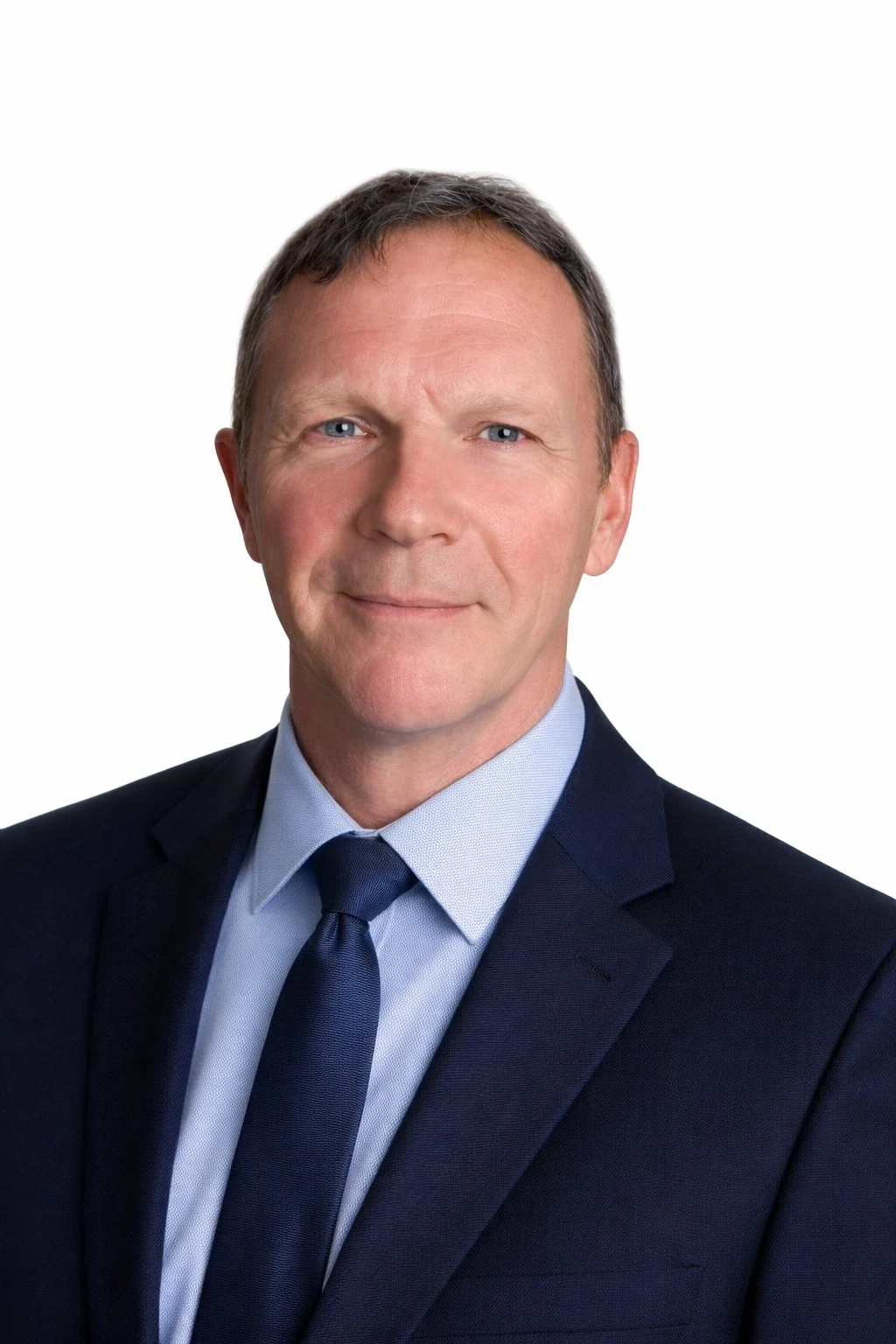
The Alliance for Aging Research stands at the vanguard of the global movement to transform how we understand, experience, and manage the aging process. Central to this mission is a dedicated team of policy experts, researchers, and advocates who navigate the complex intersections of federal legislation and scientific innovation. This month, the Alliance turns its spotlight on Scott Frey, the Senior Vice President of Public Policy and Government Relations, whose career trajectory mirrors the evolving landscape of American healthcare advocacy.
The Architect of Advocacy: Main Facts and Role
As the Senior Vice President of Public Policy and Government Relations, Scott Frey acts as the primary bridge between the Alliance’s scientific objectives and the halls of power in Washington, D.C. His role is multifaceted: he facilitates high-level engagement with stakeholders, advises decision-makers in both the U.S. Congress and the Federal Executive Branch, and translates complex medical research into actionable policy frameworks.
Frey’s work is not merely administrative; it is strategic. In an era where public trust in science is frequently tested by political polarization, his mandate is to ensure that science-driven policy remains the bedrock of American public health. By championing the Alliance’s goals, he ensures that the voices of older adults—and the scientific advancements that can improve their lives—are heard at the highest levels of governance.
A Legacy of Service: Chronology and Career Roots
To understand Scott Frey’s commitment to the Alliance, one must look at the path that led him to the nation’s capital. Born and raised in the industrial landscapes of central and western Pennsylvania, Frey witnessed firsthand the decline of the manufacturing sector during the late 20th century.
"Following graduate school, I moved to the DC area in 1987 to pursue a career in federal public policy," Frey recalls. "It was a time when good-paying manufacturing jobs were rapidly disappearing across the towns and cities I knew, and with it, a declining quality of life and diminished retirement security for so many."
This period of economic instability served as a crucible for his professional identity. The sight of once-thriving communities losing their security nets instilled in him a profound sense of duty. This early exposure to the fragility of social systems catalyzed his transition from a young graduate to a seasoned policy veteran. Since joining the Alliance for Aging Research twenty months ago, he has synthesized nearly four decades of experience to advocate for a demographic that, despite its size, often struggles to command the sustained attention of federal policymakers.
The Moral Imperative: A Promise Kept
Perhaps the most compelling dimension of Frey’s career is the origin of his mission. When he departed for Washington, D.C., his grandmother offered him a simple, yet profound mandate: "Go down there to Washington and fight for us older folks."
That final wish has served as the North Star for his entire professional life. For Frey, policy is not merely about bill numbers or budget allocations; it is a kept promise. Whether he is working on geriatric education, funding for aging research, or addressing inequities in women’s health, he carries the weight of that familial request. It is a rare example of how personal narrative can drive high-level federal advocacy, transforming abstract policy goals into a deeply personal mission.
Supporting Data: The Landscape of Modern Aging Research
The work conducted by Frey and his colleagues at the Alliance is set against a backdrop of historic demographic shifts. By 2030, all baby boomers will be age 65 or older, a milestone that will place unprecedented demand on the U.S. healthcare system.
The Science-Policy Nexus
Frey notes that the current era is one of "promising and long-awaited new developments in treatments and access to care." However, these advancements are fragile. Without robust, science-driven public policy, the transition from laboratory breakthroughs to bedside reality is often blocked by regulatory hurdles or funding gaps.
Supporting data from the National Institute on Aging (NIA) and various public health agencies suggests that for every dollar invested in aging research, the long-term economic return—through reduced healthcare expenditures and increased workforce participation—is exponential. Frey’s efforts in Congress are designed to ensure that this data is not just acknowledged, but acted upon through increased appropriations for geriatric research and medical innovation.

Official Responses and Perspectives
When asked about his most significant professional achievements, Frey resists the urge to select a single project, comparing the endeavor to choosing a favorite child. Instead, he emphasizes the collective nature of his work.
"It’s rewarding and exciting to share a part in the fight to ensure science-driven public policy and public trust in science at a time when these imperatives are under serious attack," he explains.
Frey is particularly proud of his historical contributions to women’s health. Early in his career, he played a role in the legislative campaigns that corrected long-standing inequities in women’s health research. These efforts led to a paradigm shift in how breast cancer, among other conditions, was screened, studied, and treated. This history of success informs his current approach at the Alliance, where he continues to foster relationships with patients, families, and advocacy groups who turn their health battles into fuel for systemic change.
Implications for Healthy Aging: A New Paradigm
Frey’s time at the Alliance has fundamentally altered his own perspective on the aging process. "Embracing new challenges is critical to healthy aging," he asserts. He views aging not as a period of inevitable decline, but as a dynamic phase of life that requires constant intellectual and physical engagement.
This philosophy has direct implications for the Alliance’s policy agenda. By advocating for "healthy aging," the organization moves beyond reactive care to proactive health maintenance. This involves:
- Expanding Geriatric Education: Ensuring that healthcare providers are better trained to meet the unique needs of older patients.
- Combating Ageism: Shifting the narrative from "burden" to "contribution," recognizing the wisdom and experience older generations bring to society.
- Institutionalizing Resilience: Creating policies that allow individuals to adapt to the new challenges that arrive with each passing year.
Beyond the Policy Brief: A Personal Note
To understand the man behind the policy, one must look at his intellectual influences. Frey’s literary preferences reveal a man who appreciates both the absurdity of bureaucracy and the complexity of the human condition. His favorites—Joseph Heller’s Catch-22, the works of Kurt Vonnegut, and the plays of William Shakespeare—suggest a worldview that balances cynicism with a profound belief in the power of storytelling.
For those curious about his lighter side, he maintains a soft spot for the classic children’s literature of A.A. Milne and Maurice Sendak, works that prioritize imagination and the innocence of early life—a poignant contrast to the often grim realities of legislative lobbying in Washington.
Conclusion: The Work is Never Finished
As Scott Frey navigates the halls of the Capitol, he carries with him the lessons of the past and a clear-eyed view of the future. He acknowledges that while much of the work he began decades ago is coming to fruition, the landscape is constantly shifting.
"Every success brings new challenges," he notes.
This sentiment is the defining characteristic of the Alliance for Aging Research. Under the guidance of individuals like Frey, the organization continues to push for a future where aging is not viewed as a medical condition to be feared, but as a vibrant, supported, and healthy chapter of the human experience. Through his ongoing commitment to the promise he made to his grandmother, Scott Frey remains a steadfast advocate, ensuring that the needs of the older generation remain a top priority for a nation that owes them its future.