








For decades, the public perception of Alzheimer’s disease has been narrowly defined by the tragedy of memory loss. We visualize the gradual erosion of names, dates, and faces—a slow fading of the self. However, for the millions of caregivers and patients living in the trenches of the disease, the reality is far more complex and, often, significantly more distressing. Beyond the cognitive decline lie neuropsychiatric symptoms (NPS)—including psychosis, agitation, anxiety, and apathy—that transform the caregiving experience from a difficult journey into a daily crisis.
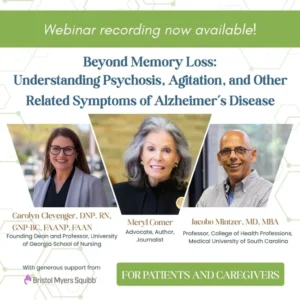
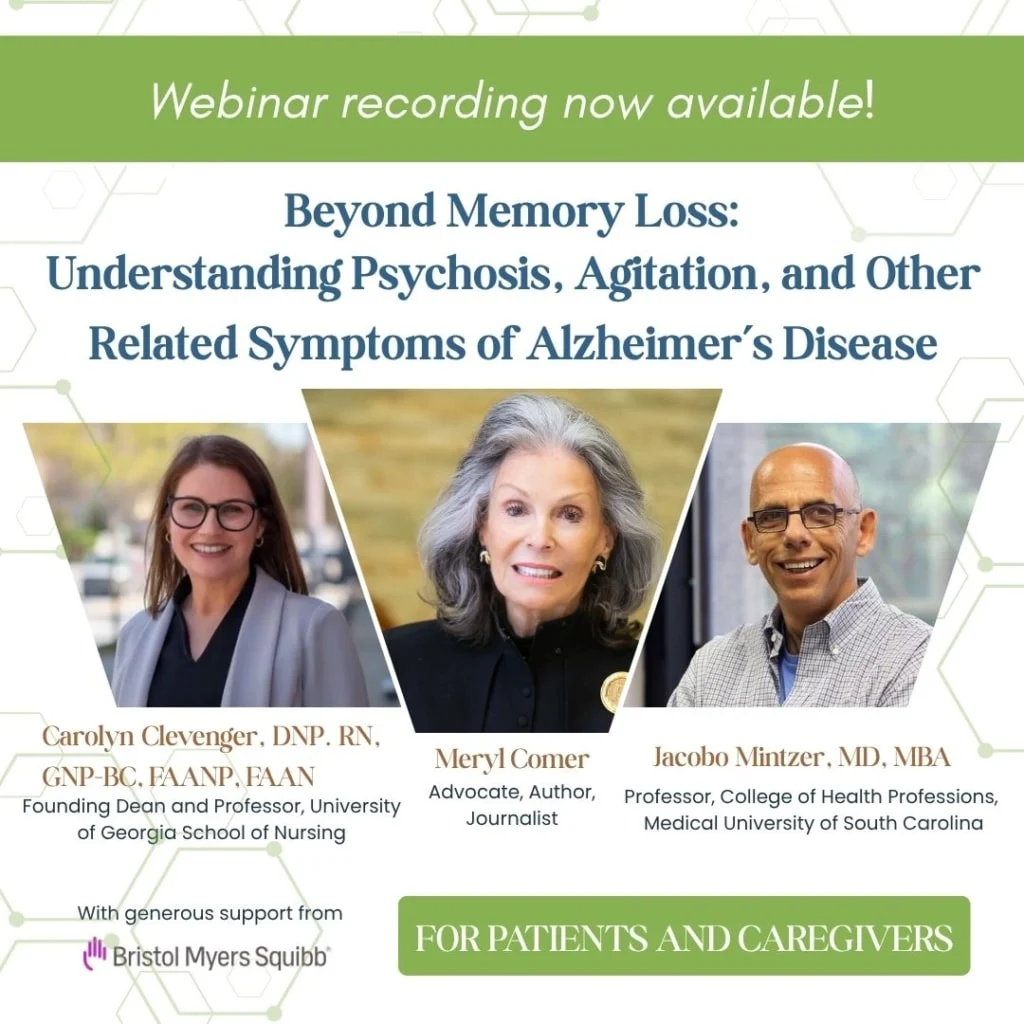
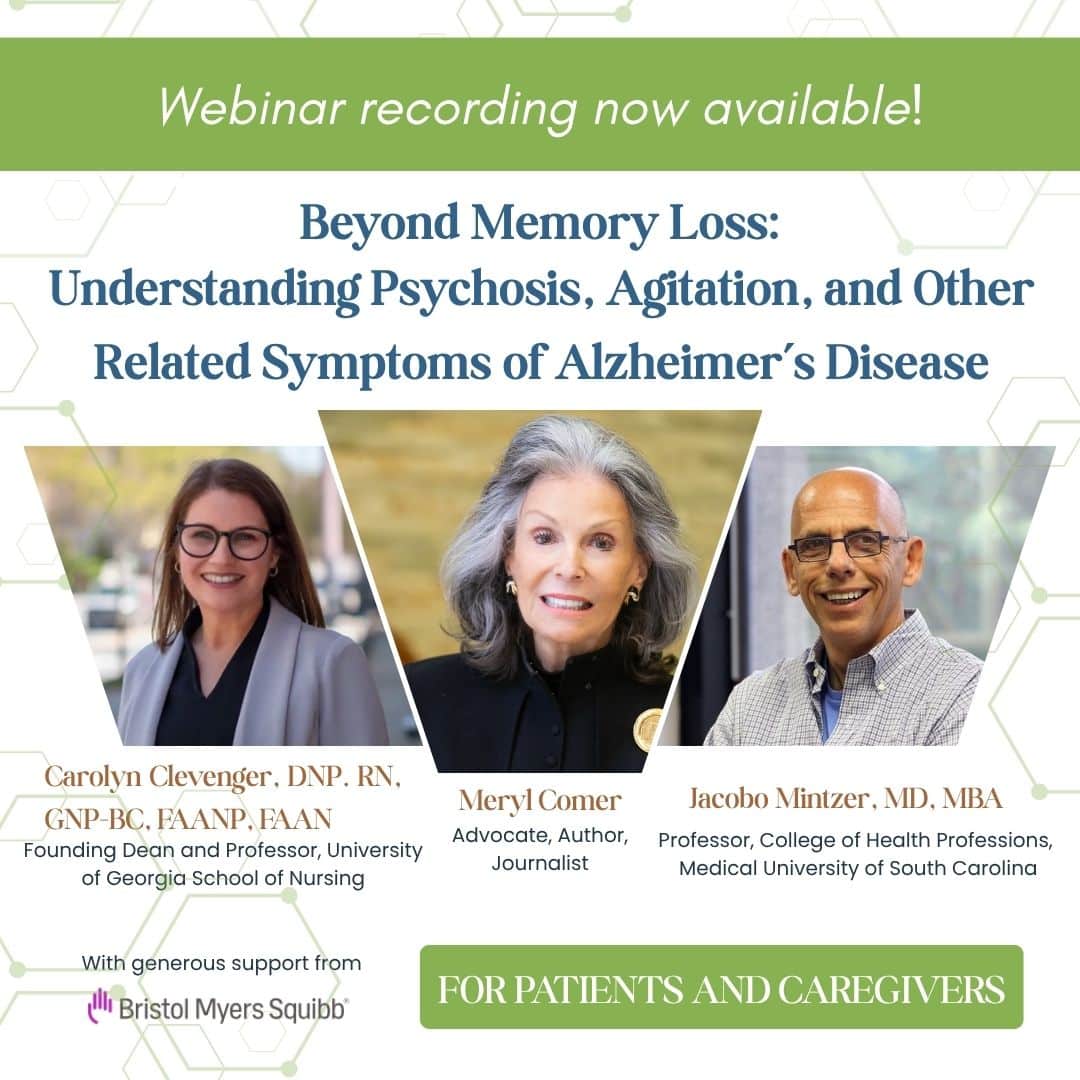
Recognizing the critical gap in education and support for these symptoms, the Alliance for Aging Research recently hosted a landmark webinar, Beyond Memory Loss: Understanding Psychosis, Agitation, and Other Symptoms in Alzheimer’s Disease. Supported by Bristol Myers Squibb, the initiative has struck a profound chord within the medical and caregiving communities, signaling a long-overdue shift in how we approach the behavioral manifestations of dementia.
The Main Facts: Reframing Behavioral Symptoms
The central thesis of the Alliance’s initiative is a fundamental reclassification of behavioral challenges: NPS are symptoms of the disease, not willful behavioral problems.
Too often, families and even some clinicians misinterpret agitation, aggression, or hallucinations as personality changes or "bad behavior." This misattribution leads to frustration, inadequate medical intervention, and immense guilt for the caregiver. The webinar aimed to dismantle this stigma, emphasizing that when a patient with Alzheimer’s exhibits psychosis—such as seeing or hearing things that are not there—or experiences extreme agitation, they are physically manifesting the neurological destruction caused by the disease.
"These behaviors are symptoms, not choices," noted the expert panel. By shifting this perspective, caregivers can move away from punitive reactions and toward therapeutic, compassionate responses.
A Chronology of the Initiative
The road to the webinar was a deliberate, three-month process of curation and expert collaboration.
- June – August 2026: The Alliance for Aging Research identified an urgent need to address the "invisible" side of Alzheimer’s. Data indicated that while memory care is well-documented, the management of psychosis and agitation remained a "black box" for many families.
- September 2026: The webinar was launched, featuring a powerhouse panel: Meryl Comer, a renowned advocate, and clinical experts Dr. Carolyn Clevenger and Dr. Jacobo Mintzer.
- The Live Event: The session drew over 3,000 live attendees, an exceptionally high engagement rate for a niche medical education webinar.
- Post-Event Impact: In the weeks following the live session, the recording reached nearly 30,000 views, indicating a massive, unmet demand for information regarding the management of neuropsychiatric symptoms.
Supporting Data and The Reality of NPS
To understand why this webinar was so critically needed, one must look at the data surrounding neuropsychiatric symptoms in dementia. NPS affect up to 90% of individuals with Alzheimer’s disease at some point in their illness.
Key Categories of NPS:
- Psychosis: Occurring in roughly 30% to 50% of patients, this includes delusions (false beliefs, such as being robbed or poisoned) and hallucinations (seeing or hearing things).
- Agitation and Aggression: Often triggered by an inability to communicate needs, these symptoms are the leading cause of caregiver burnout and early nursing home placement.
- Apathy: A profound lack of motivation, often mistaken for depression, which complicates the patient’s ability to engage in daily care.
- Sleep Disturbances: Known as "sundowning," these disruptions wreak havoc on both the patient’s health and the caregiver’s ability to function.
The sheer volume of responses received by the Alliance—emails and messages detailing personal struggles—confirms that these symptoms are the most isolating aspects of the disease. When a loved one becomes violent or lives in a reality that contradicts the world around them, the caregiver often feels a sense of total helplessness.
Official Responses and Expert Insights
The panel of Meryl Comer, Dr. Carolyn Clevenger, and Dr. Jacobo Mintzer provided more than just medical definitions; they provided a roadmap for survival.
The Shift in Management Strategy
Dr. Clevenger and Dr. Mintzer stressed that management begins with assessment. Instead of immediately seeking medication, clinicians and families should act as "detectives."
- Wandering: Instead of viewing it as a nuisance, consider it a physical expression of a need to move or a search for a lost sense of purpose.
- Distress: Utilizing music, rhythmic activities, or environmental changes can often de-escalate agitation more effectively than pharmaceutical interventions, which carry significant risks in the elderly population.
The Human Element: Meryl Comer’s Testimony
Meryl Comer, whose advocacy is deeply personal, shared the raw reality of "living inside her husband’s version of reality." She described the physical and emotional toll of trying to anchor a loved one in a world that no longer makes sense to them. Her testimony served to validate the experiences of thousands of caregivers who have felt embarrassed or overwhelmed by the erratic behaviors of their spouses or parents.
A Closing Note of Validation
The webinar concluded with a message that resonated deeply with the audience: "What you’re doing is hard, and you’re doing it well." For many caregivers who spend their days navigating the unpredictable waters of psychosis, this validation was perhaps the most important resource provided during the session.
Implications for Future Care and Policy
The success of this initiative has broader implications for the future of Alzheimer’s care in the United States and beyond.
1. Clinical Education Reform
There is an urgent need for primary care physicians to be better trained in the differential diagnosis of NPS. Too often, these symptoms are treated as inevitable or "untreatable," leaving families without a plan. The Alliance’s work underscores that when clinicians are equipped to offer practical management strategies, the quality of life for both patient and caregiver improves significantly.
2. Reducing Stigma as a Public Health Priority
Stigma keeps families silent. When families fear being judged for a loved one’s aggressive behavior, they delay seeking help. By bringing these topics into the light, the Alliance is effectively lowering the barriers to entry for support groups and medical intervention.
3. The Need for Integrated Care
The "living in their reality" approach requires a multidisciplinary team. Occupational therapists, geriatricians, and psychologists must work in tandem with the family. The webinar serves as a blueprint for how to integrate these disciplines to create a wrap-around care model that prioritizes the dignity of the patient.
Conclusion: A Call to Action
The crisis of Alzheimer’s-related psychosis is not going away, but our approach to it is evolving. The high engagement with the Alliance’s webinar is a clear indicator that the caregiver community is hungry for science-backed, compassionate guidance.
As we move forward, the challenge will be to translate this momentum into sustained policy changes—ensuring that caregivers have access to the support services they need, that clinicians are incentivized to focus on NPS, and that the patient remains the center of care, regardless of how far their reality has drifted from our own.
For those who missed the live event, the full recording remains available. It stands as a vital resource for anyone currently walking the difficult path of caregiving, offering a reminder that while the journey is fraught with challenges, no one has to navigate it entirely alone.
Katrin Werner-Perez, Director of Health Programs at the Alliance for Aging Research, continues to lead the charge in bridging the gap between clinical research and the daily realities of aging families. Through initiatives like this, the Alliance ensures that the conversation around Alzheimer’s remains inclusive of the full spectrum of the disease experience.