









In an era where modern healthcare often leans heavily on standardized, "one-size-fits-all" diagnostic protocols, a growing segment of the population is turning toward the ancient wisdom of Ayurveda. At its core, Ayurveda operates on a fundamental truth: no two bodies, and no two beings, are identical. By treating the individual rather than just the disease, this traditional system of medicine offers a deeply nuanced path to wellness that is gaining traction in the global health landscape.
The Philosophical Foundation: Moving Beyond Symptom Management
The success of the Ayurvedic approach is rooted in its granular level of analysis. While conventional medicine might categorize a condition like diabetes into two primary types, Ayurvedic practitioners recognize up to 20 distinct classifications. Similarly, pain—often dismissed as a monolithic symptom in clinical settings—is viewed through the lens of the three doshas: Vata, Pitta, and Kapha. A pain profile dominated by Vata requires a vastly different therapeutic intervention than one driven by Pitta or Kapha.
This level of detail is why the role of the Ayurvedic practitioner is paramount. It is not enough to treat the "what"; one must uncover the samprapti, or the disease process. By understanding how an imbalance originates, moves through the tissues, and manifests as a physical condition, a practitioner can design a protocol that addresses the root cause rather than merely applying a "band-aid" to the symptoms.
The Complexity of Panchakarma: A Three-Stage Detoxification
Central to deep-seated Ayurvedic healing is Panchakarma, a sophisticated detoxification process designed to purge the body of ama (toxins) and restore systemic equilibrium. However, the term "standardized" is a misnomer in this context. While the protocol follows a structured framework, every element—from the choice of oils to the intensity of the treatment—must be customized based on the client’s prakruti (constitutional balance) and vikruti (current state of imbalance).
Stage 1: Purvakarma (The Preparatory Phase)
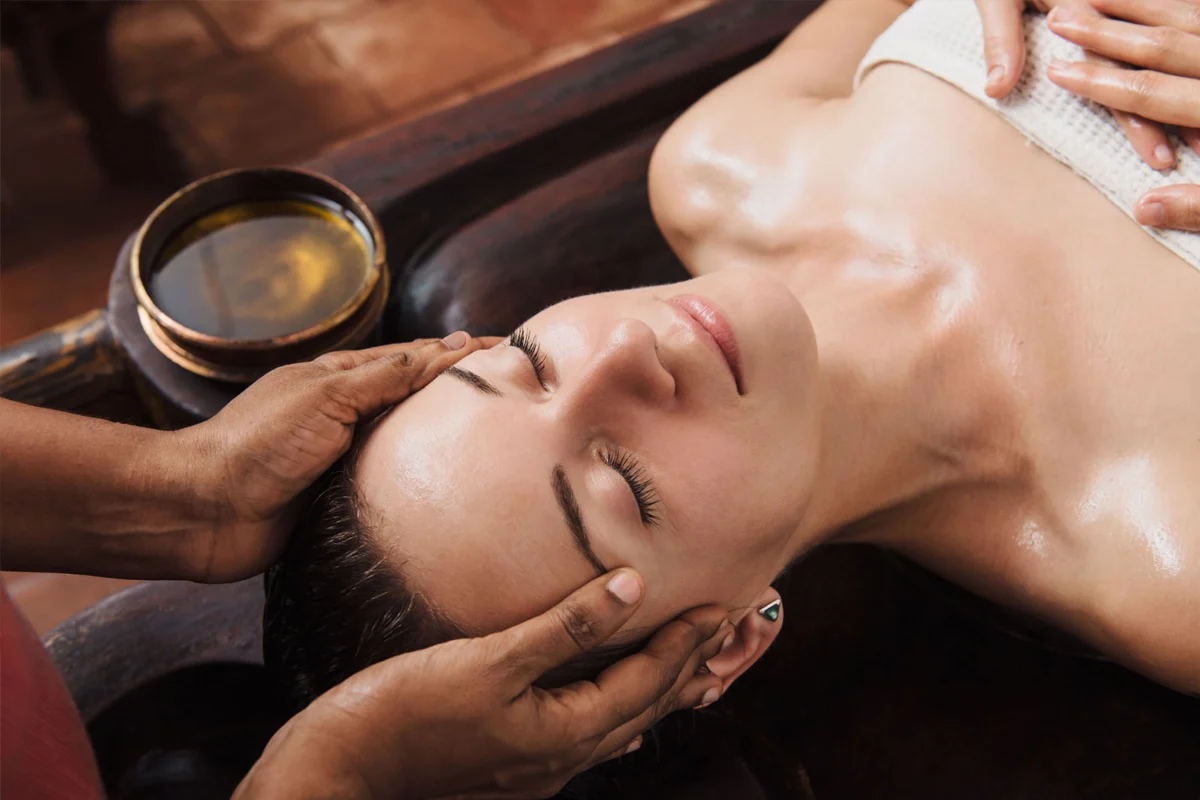
Before the primary actions of detoxification can occur, the body must be prepared. Purvakarma focuses on two essential tasks: kindling the agni (digestive fire) and internal oleation.
The strategy for igniting agni is highly individualized. A practitioner might prescribe ginger-based remedies for one patient while suggesting specific hydration protocols for another. Simultaneously, the body undergoes internal oleation—the consumption of medicated ghees or oils—which acts as a solvent to dislodge toxins from deep-seated tissues and mobilize them into the digestive tract.
Stage 2: Pradhānakarma (The Five Actions)
This stage represents the core of Panchakarma, translating to "Five Actions." Once the tissues are saturated with oils, the body is primed for elimination.
- Virechana (Purgation): Targeting the small intestine, liver, and gallbladder, this process uses laxatives to purge excess pitta, making it ideal for metabolic and inflammatory conditions.
- Basti (Medicated Enema): By introducing herbalized teas or oils into the colon—the primary seat of Vata—practitioners can nourish the body at a profound level, as the colon acts as a gateway for systemic absorption.
- Vamana (Emesis): Reserved for specific imbalances, this process utilizes licorice and salt water to clear excess Kapha (phlegm) from the stomach. It is a highly specialized procedure not indicated for every patient.
- Nasya (Nasal Administration): The application of oils into the nasal passages serves to clear the sinuses, sharpen cognitive function, and alleviate "brain fog" by balancing the head space.
- Raktamoksha (Blood Cleansing): Historically involving leech therapy to purify the blood, this practice is rare in the modern U.S. clinical setting. However, the principle remains: healthy blood—which provides jivanam (life-giving energy)—is essential for the optimal flow of prana (life force) throughout the body.
Stage 3: Paschyātkarma (The Rejuvenation Phase)
The final stage is perhaps the most overlooked but equally vital. After the intense detoxification of Pradhānakarma, the body is often in a fragile state. Paschyātkarma focuses on rebuilding tissue nutrition and stabilizing digestion. Through a strictly curated diet and lifestyle plan, the practitioner helps the patient transition back into daily life, ensuring the body remains in a state of high vitality.
The Critical Role of the Qualified Practitioner
The transition from a state of illness to wellness is not a DIY endeavor. Because Panchakarma is a powerful, systemic shift, the absence of expert oversight can lead to worsened imbalances.
"The practitioner acts as the navigator of the healing journey," note experts at the SoHum Mountain Healing Resort. "Without a trained eye to monitor agni, ama, and the shifting doshas, the process can become unpredictable."
As Ayurveda grows in popularity, the industry faces a challenge: maintaining the integrity of these ancient practices while operating in a modern, fast-paced society. The responsibility lies with the consumer to align their wellness goals with practitioners who prioritize the individualized approach over mass-market trends.
Implications for the Future of Healthcare
The rise of Ayurveda signifies a broader shift in how society views health. We are moving away from the era of "one pill for everyone" and toward a model of "precision wellness." When we look at the implications of this, it is clear that the future of medicine may well be a hybrid model—one that respects the technological advancements of the 21st century while embracing the personalized, root-cause methodology of ancient systems like Ayurveda.
For those seeking to understand the rigor behind these therapies, professional education programs, such as those offered by the Ayurvedic Studies Program, are essential. These programs ensure that the next generation of practitioners is not just following a script, but is trained to read the unique "biometric" markers of every individual.
Conclusion: Aligning Values with Treatment
Ultimately, Panchakarma is more than a detox; it is a recalibration of the self. Whether you are dealing with chronic pain, metabolic issues, or simply seeking to optimize your health, the efficacy of the treatment will always be tethered to the quality of the practitioner and the alignment of the chosen healing center with your specific, unique needs.
In a world where we are often treated as numbers, Ayurveda reminds us that we are individual stories, each requiring a unique, bespoke chapter of healing. By choosing to honor our biological uniqueness, we do not just manage our health—we master it.
For more information on personalized wellness retreats, visit SoHum Mountain Healing Resort.