










In a significant leap forward for neurological diagnostics and sleep medicine, Denmark-based Cebreo Medical has officially secured CE marking for its flagship innovation: NeuroBuds. This breakthrough technology represents a fundamental shift in how clinicians record electroencephalogram (EEG) data, moving away from cumbersome, lab-based equipment toward a seamless, patient-centered, and discreet in-ear wearable. By enabling multi-day and multi-night monitoring within the comfort of a patient’s home, NeuroBuds promises to bridge the gap between sporadic clinical snapshots and the longitudinal data necessary for precise neurological care.
The Evolution of EEG: From Lab Caps to In-Ear Wearables
For decades, the standard for recording brain activity has remained largely unchanged. Traditional EEG requires the application of a conductive cap outfitted with multiple electrodes, usually placed by a specialized technician in a controlled clinical environment. This process is not only time-consuming and costly but also inherently limited; it provides a high-resolution window into the patient’s brain at a single point in time, often missing the irregular, episodic events that characterize conditions like epilepsy or complex sleep disorders.
Cebreo Medical’s NeuroBuds disrupts this paradigm. Designed to mimic the form factor of a modern hearing aid, the device integrates sophisticated EEG sensors into an inconspicuous earbud. This design choice is deliberate, intended to minimize the social stigma and physical discomfort often associated with long-term medical monitoring. By allowing patients to wear the device in their daily environment, Cebreo has effectively turned the home into a clinical-grade research facility.
Chronology: The Path to Regulatory Approval
The journey to the CE mark is the result of years of iterative engineering and rigorous clinical validation.
- Conceptualization and R&D (2020–2022): Cebreo Medical focused on the miniaturization of signal-processing hardware capable of capturing clean EEG signals through the ear canal—an area traditionally prone to "noise" from jaw movement and physical activity.
- Proof of Concept (2023): Initial pilot studies demonstrated that in-ear EEG could provide reliable diagnostic data comparable to standard clinical setups.
- Clinical Validation (2024): Large-scale testing focused on patient adherence and the ability to maintain consistent data acquisition over extended periods, specifically targeting the three-month monitoring threshold.
- Regulatory Milestone (Late 2026): Cebreo Medical officially announced the receipt of CE marking, certifying the device as compliant with European health, safety, and environmental protection standards. This designation serves as the green light for commercial deployment across the European Economic Area.
With the European market now accessible, the company has pivoted its regulatory focus toward the United States, initiating the pathway for FDA clearance to bring this technology to the North American market.
Supporting Data: Why Longitudinal Monitoring Matters
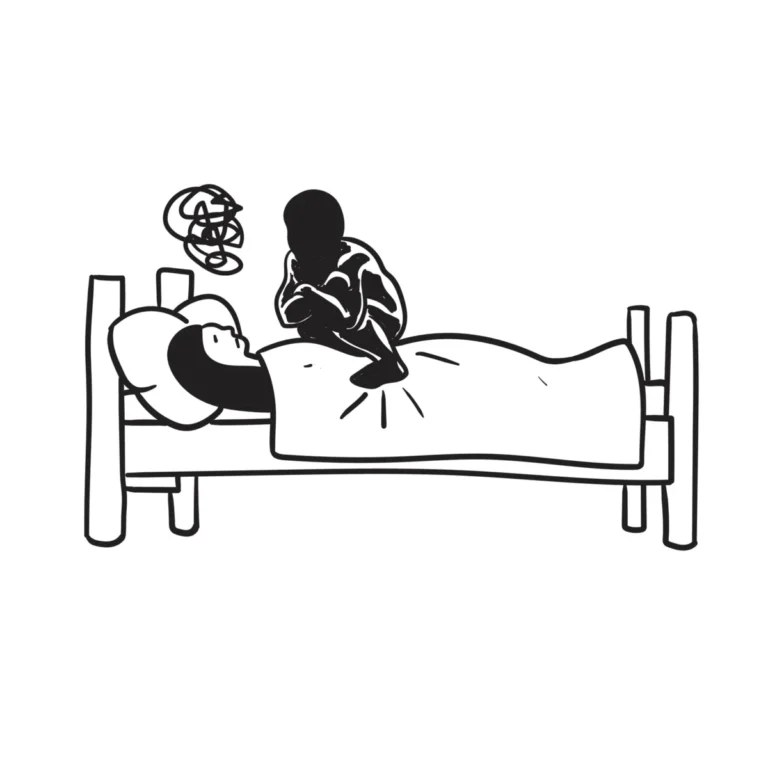
The diagnostic power of NeuroBuds lies in its duration. In the management of drug-resistant epilepsy, clinical decisions are often hampered by the "snapshot problem." Patients frequently rely on self-reporting to log seizure activity, a methodology notoriously plagued by inaccuracy. Patients may be unaware of nocturnal seizures or subtle focal seizures that do not manifest with dramatic physical symptoms.
The Objective Advantage
By providing an objective, continuous data stream, NeuroBuds allows neurologists to move from subjective estimates to data-driven treatment plans.
- Quantifiable Burden: The device can detect and log subclinical seizure activity that would otherwise go unrecorded.
- Treatment Response: By monitoring a patient before and after a change in medication, physicians can assess the efficacy of new therapies in real-time, rather than waiting months for the next clinic visit.
- Sleep Architecture: Beyond epilepsy, the device offers unprecedented insight into sleep cycles, helping clinicians identify markers of sleep apnea, parasomnias, and other neurophysiological sleep disorders that are often missed in the unnatural environment of a formal sleep lab.
Official Responses and Expert Perspectives
The medical community has received the announcement with cautious optimism, noting the potential for significant improvements in patient quality of life.
Dr. Sandor Beniczky, a professor at the Department of Clinical Neurophysiology at Rigshospitalet and the Danish Epilepsy Centre, emphasized the necessity of this technology for the epilepsy patient population. "For patients with drug-resistant epilepsy, the question is not whether they have seizures—it’s how often, and whether a new treatment is actually working," Dr. Beniczky noted. "Patient-reported seizure counts are often unreliable. An ambulatory ear-EEG device that can run for weeks at a time provides the EEG data with the potential to objectively quantify the seizure burden, and hence, more properly evaluate treatment."

Rasmus Madsen, PhD, CEO of Cebreo Medical, underscored the company’s mission to democratize and simplify neurological monitoring. "With NeuroBuds, we can offer a discreet, unobtrusive solution that enables long-term, unassisted EEG monitoring for weeks in patients’ own homes," Madsen said in a press release. "The product has the potential to significantly reduce the cost of long-term EEG monitoring and strengthen treatment decisions compared with conventional brain monitoring."
Implications: A New Era for Tele-Neurology
The commercialization of NeuroBuds carries profound implications for the healthcare ecosystem, extending far beyond the doctor’s office.
1. Cost Efficiency and Resource Allocation
Traditional long-term EEG monitoring (such as Video-EEG telemetry) often requires a multi-day hospital stay, which is both expensive for the patient and logistically taxing for the healthcare system. By moving this monitoring to the home, Cebreo Medical is facilitating a "hospital-at-home" model that could reduce the overhead costs of specialized neurological care while freeing up hospital beds for more acute cases.
2. Patient Empowerment and Adherence
One of the greatest challenges in chronic disease management is patient adherence. When monitoring equipment is uncomfortable, heavy, or visually obvious, patients are less likely to comply with the prescribed monitoring duration. The "hearing aid" design of the NeuroBuds addresses this directly, ensuring that the patient can maintain their normal daily routine—work, socialization, and exercise—while simultaneously generating critical clinical data.
3. Future Research and AI Integration
As the volume of home-based EEG data grows, the potential for machine learning integration becomes clear. With a repository of longitudinal data, AI algorithms can be trained to recognize individual seizure patterns or sleep disturbances, providing clinicians with automated alerts or summaries. This could evolve into a predictive system, where the device doesn’t just record past events but helps predict the likelihood of future episodes, enabling proactive rather than reactive care.
4. Expanding the Diagnostic Toolkit
While epilepsy is the primary focus of the initial rollout, the application of in-ear EEG is theoretically vast. Potential future areas of use include:
- Cognitive Decline: Longitudinal monitoring of neural oscillations to track the progression of neurodegenerative diseases like Alzheimer’s or dementia.
- Neuro-Psychiatry: Monitoring the brain’s response to psychiatric medications over extended periods.
- Sports Medicine: Tracking recovery from concussions by monitoring neural signatures in athletes during their recovery phase.
Conclusion: Looking Ahead
The CE marking of NeuroBuds is more than just a regulatory win; it is a signal that the field of neuro-diagnostics is finally entering the digital age. As Cebreo Medical expands its footprint in European clinical sites, the industry will be watching closely to see how this longitudinal data translates into actual patient outcomes.
The transition from clinical-centric monitoring to patient-centric, wearable technology is inevitable. By focusing on the intersection of discreet design and high-fidelity data, Cebreo Medical has set a new benchmark. As the company continues its pursuit of US regulatory approval and expands its clinical applications, NeuroBuds stands poised to become a staple in the modern neurologist’s toolkit, potentially transforming the lives of millions who suffer from the unpredictability of neurological conditions.
The future of brain monitoring is no longer confined to the four walls of a hospital—it is now as portable, and as personal, as the ears we use to hear.