









For years, the diagnostic landscape for Postural Orthostatic Tachycardia Syndrome (POTS) has been defined by a rigid numerical threshold. Patients presenting with the hallmark symptoms of lightheadedness, brain fog, palpitations, exercise intolerance, and chronic fatigue often find themselves navigating a medical gauntlet. If they are fortunate enough to secure a referral to a specialist, they undergo tilt table testing to measure their physiological response to gravity.
However, a significant subset of patients faces a frustrating clinical reality: they exhibit the exact same symptomatic profile and physiological impairments as those with POTS, yet they fail to meet the strict heart-rate criteria—a sustained increase of at least 30 beats per minute (bpm) for adults, or 40 bpm for adolescents, within 10 minutes of standing. When a patient’s heart rate rises by, for instance, 28 bpm instead of 30, they are often dismissed. This rigid adherence to a diagnostic cutoff has left thousands of patients in a medical limbo, lacking a formal diagnosis, denied access to essential treatments, and struggling to secure necessary healthcare coverage.
Now, a landmark international consensus has emerged, challenging this exclusionary approach and arguing that the clinical reality of the patient should supersede a static number.
The Core Facts: Redefining Dysautonomia
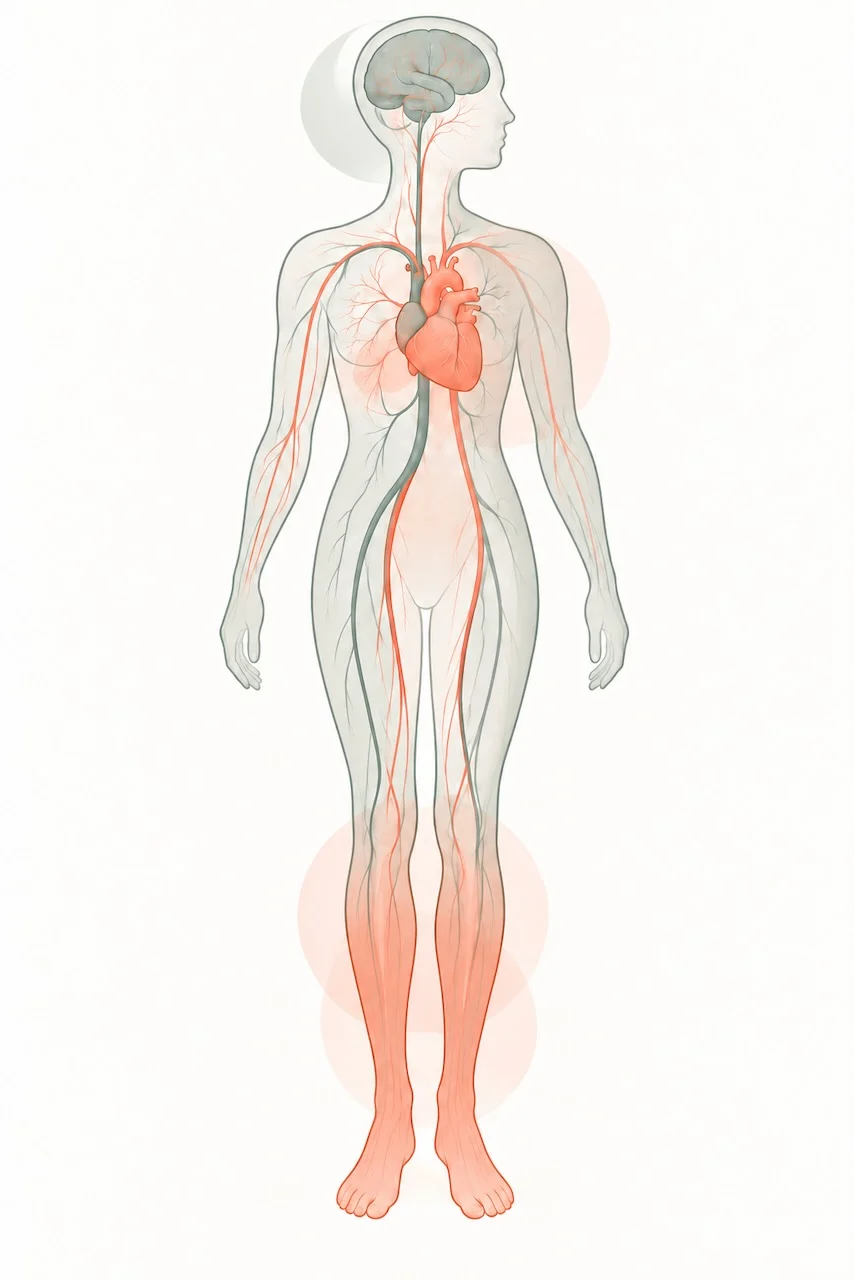
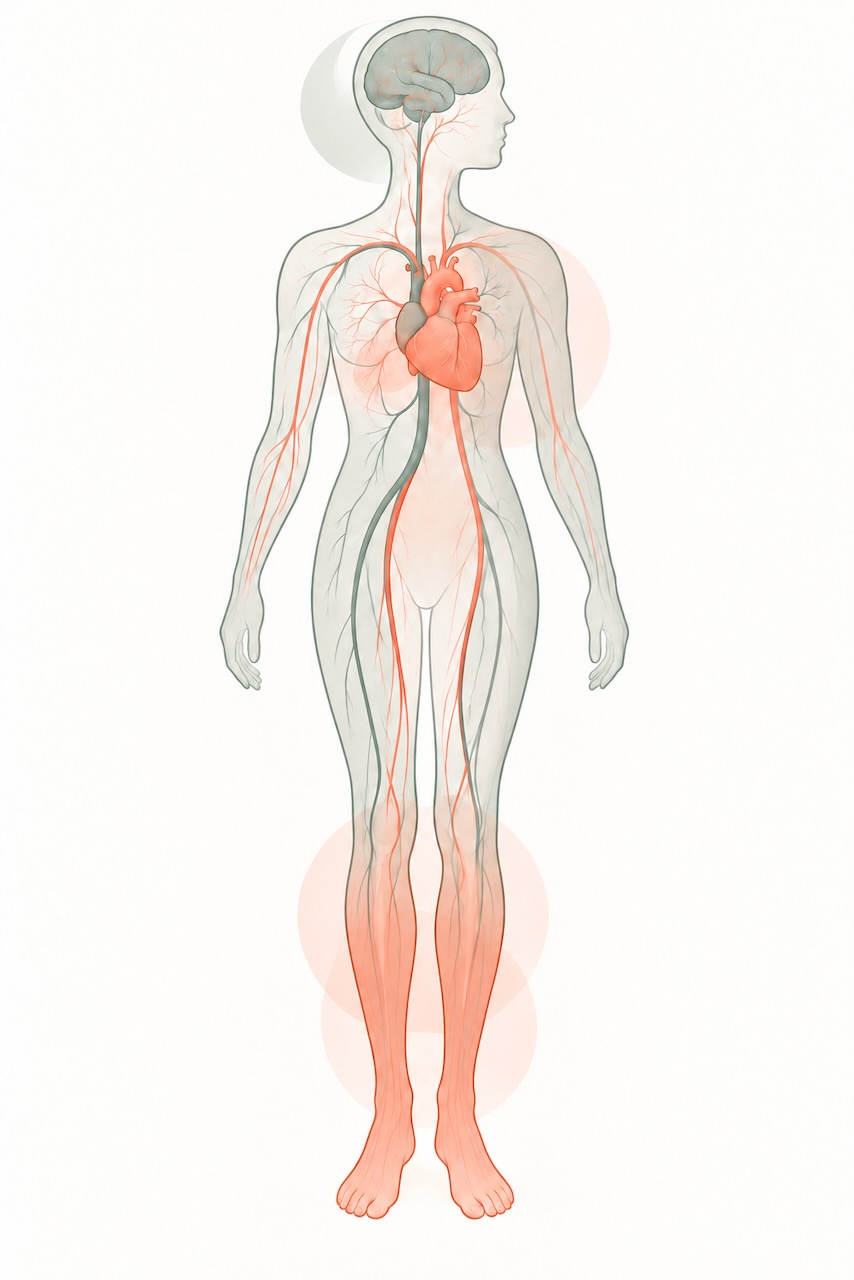
The crux of the issue lies in the distinction between "POTS" and what experts are now calling "non-POTS dysautonomia." The current diagnostic framework for POTS is highly dependent on tachycardia—the rapid heart rate upon standing. Yet, emerging research indicates that the underlying pathology of many of these patients involves preload insufficiency (insufficient blood returning to the heart) and reduced end-tidal CO2 levels.
In rare, specialized autonomic clinics, transcranial Doppler ultrasound has revealed that these patients often suffer from a substantial drop in cerebral blood-flow velocity while upright. This phenomenon, known as orthostatic cerebral hypoperfusion, explains the cognitive impairment and lightheadedness, regardless of whether the patient’s heart rate hits the 30-bpm "magic number."
The recent expert consensus, involving 40 professionals from seven countries, aims to address this gap. These experts—ranging from neurologists and cardiologists to pediatricians—have collectively signaled that the medical community must pivot toward recognizing the functional impact of dysautonomia rather than focusing exclusively on heart-rate metrics.
A Chronological Evolution of Diagnostic Standards
The history of POTS diagnosis has always been one of refinement. When the condition was first formally characterized, the criteria were established to help researchers isolate a specific cohort for study. Over time, these research criteria were adopted as clinical gold standards, a transition that often leads to "diagnostic gatekeeping."
- Pre-2020s: POTS was identified primarily through the 30-bpm tilt table threshold. Patients who fell just short of this threshold were often told their tests were "normal," despite experiencing debilitating symptoms.
- The Research Shift (2024–2025): Growing frustration within the patient advocacy community, combined with advanced physiological monitoring in research settings, began to highlight the limitations of the heart-rate-only model. Studies began to show that "near-POTS" patients had identical vascular and neurological profiles to those who met the criteria.
- The October 2026 Consensus: The publication of new expert guidance marks a watershed moment. For the first time, a multidisciplinary, international panel has formally debated and voted on the necessity of broadening the scope of care. This consensus serves as a pushback against the "all or nothing" diagnostic culture.
Supporting Data: The Case for Clinical Validity
The expert panel’s findings were not merely based on anecdotal observation; they were the result of a rigorous consensus-building process involving 31 distinct statements. The level of agreement among the 40 experts was unprecedented in the field of autonomic medicine.
- High Consensus for Recognition: A striking 95% of the panel agreed that "non-POTS dysautonomia" is a valid clinical entity that warrants diagnosis when symptoms are consistent with POTS but heart-rate criteria are not met.
- Parity in Disability: Every single expert (100%) concurred that patients falling into this non-POTS category experience functional impairment and a degradation of quality of life equivalent to those who meet the strict POTS definition.
- Advocacy and Accommodation: The panel was unanimous (100%) in the belief that these patients require and deserve the same workplace and educational accommodations as those with diagnosed POTS.
The data suggests that the heart-rate criterion is, in many ways, an arbitrary cut-off that fails to account for the diversity of human physiology. By focusing on symptoms—such as syncope, brain fog, and chronic orthostatic intolerance—physicians can provide a more accurate assessment of a patient’s health status.
Official Responses and Linguistic Nuance
One of the most important aspects of this new guidance is the caution exercised by the authors regarding terminology. "Non-POTS dysautonomia" is explicitly defined as a working term, not a formal diagnostic code. The authors stress that they do not endorse this as a permanent label, as the medical community is currently in the process of exploring more accurate nomenclature.
Several alternative terms are currently under consideration, including:
- POTS Spectrum Disorder: Suggesting that the condition exists on a gradient rather than a binary "yes or no" state.
- Orthostatic Cerebral Hypoperfusion Syndrome (OCHOS): Focusing on the underlying mechanism (reduced blood flow to the brain) rather than the heart rate.
- Hypocapnic Cerebral Hypoperfusion (HYCH): Highlighting the respiratory and blood-gas abnormalities often seen in these patients.
- Postural Symptoms without Tachycardia (PoSWoT): A descriptive term that removes the diagnostic bias of the tachycardia requirement.
While the medical community debates the name, the experts agree that the identity of the condition is secondary to the necessity of treatment.
Implications for Patients and Practitioners
The implications of this consensus are profound. For the patient, the primary takeaway is that a "normal" tilt table test result does not mean their symptoms are psychological or imaginary.
Bridging the Care Gap
Patients who have been dismissed in the past now have a roadmap for advocacy. By bringing this research to their primary care providers or specialists, they can initiate a conversation based on evidence-based consensus. The goal is to move beyond the question "Do you have POTS?" and toward the question "How can we manage your orthostatic intolerance?"
Implications for Treatment
If a patient is diagnosed with non-POTS dysautonomia, the treatment pathways often align with those used for POTS. This includes:
- Non-Pharmacological Interventions: The use of compression stockings to improve venous return, increased fluid and salt intake (under medical supervision), and physical therapy focused on autonomic conditioning.
- Pharmacological Support: In some cases, medications used to stabilize blood pressure or volume can be highly effective, even in patients who do not meet the formal tachycardia cutoff.
- Accommodations: With the backing of the 100% consensus statement, patients now have a stronger case for requesting flexible work hours, seating accommodations, or specialized support in academic environments.
The Path Forward
The October 2026 guidance is not an end, but a beginning. The medical community acknowledges that while POTS criteria remain unchanged for research purposes, the clinical approach must evolve. Future research will likely focus on identifying biomarkers—such as specific blood markers or advanced imaging—that can objectively confirm dysautonomia in the absence of significant tachycardia.
For now, the message to the medical community is clear: "Not POTS" should not mean "no care."
When a patient presents with clear signs of autonomic dysfunction, the burden of proof should not rely on a single heart-rate metric. By prioritizing patient-reported outcomes and clinical presentation, doctors can ensure that no patient is left behind simply because their heart rate didn’t spike in the exact way the textbooks dictate.
If you are currently struggling with symptoms that fit the profile of dysautonomia but have been told you don’t "qualify" for a diagnosis, remember that you are part of a recognized, underserved subset that is finally being heard. Use this latest expert consensus as a tool to advocate for your health, demand a thorough investigation into your symptoms, and seek the care you deserve. The door to treatment is opening, and for those who have spent years in the shadows of the diagnostic criteria, this change is long overdue.