







The post-workout glow is a fleeting sensation. For many, the true measure of a session’s intensity is the “delayed onset muscle soreness” (DOMS) that inevitably creeps in hours—or days—later. As the pursuit of physical optimization shifts from the realm of elite Olympic training centers into the daily routines of recreational gym-goers, the recovery industry has exploded. From high-tech compression garments to ice-cold plunges, the promise is singular: faster recovery, reduced pain, and a quicker return to peak performance.
However, as the commercial appetite for recovery tools grows, a critical gap has emerged between marketing narratives and clinical reality. While these interventions often succeed in making us feel better, the physiological evidence for their ability to truly restore muscle function is significantly more nuanced.
The Evolution of Recovery: From Elite to Everyday
For decades, sophisticated recovery protocols were the exclusive domain of professional athletes under the supervision of sports scientists. Today, social media influencers and wellness brands have democratized these techniques, turning once-niche recovery modalities into household staples.
The chronology of this trend began with the rise of "biohacking," where individuals began treating their bodies like data-driven machines. In the early 2010s, professional teams began utilizing cryotherapy chambers and pneumatic compression sleeves to maintain the grueling travel and performance schedules of leagues like the NBA and Premier League. By 2020, the pandemic-fueled boom in home fitness shifted the demand toward consumer-grade versions of these tools. Today, "recovery" has become a multi-billion dollar sector, with consumers routinely investing in subscription-based recovery apps, home ice baths, and specialized supplements.
Ice Baths: The Paradox of Cold Therapy
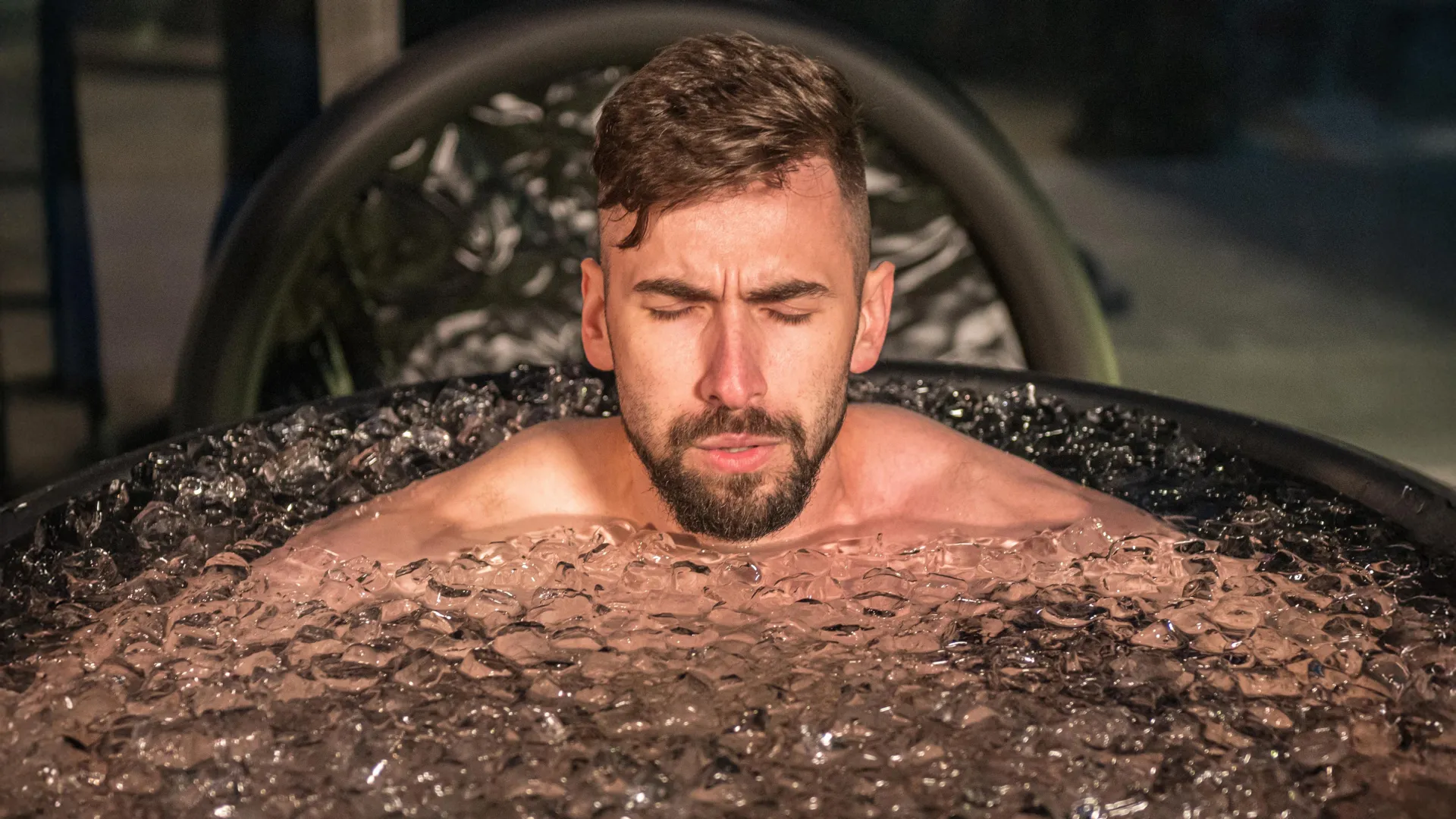
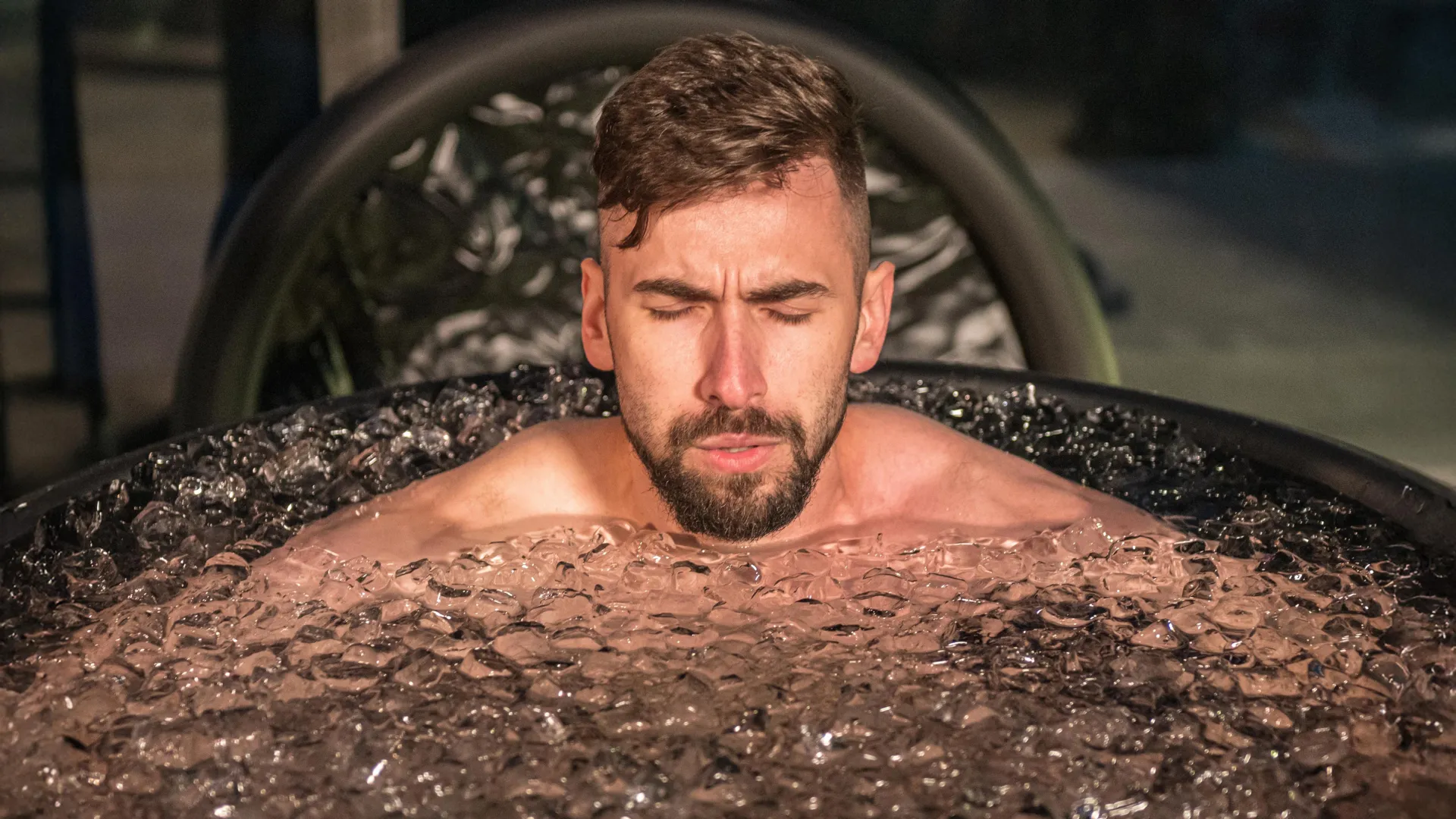
Few recovery strategies have captured the public imagination like the ice bath. By immersing the body in water below 15°C, proponents aim to trigger a cascade of physiological responses, primarily the reduction of systemic inflammation.
The Scientific Tug-of-War
The evidence regarding cold-water immersion is fundamentally contradictory. On one hand, research confirms that cold exposure effectively blunts the inflammatory response following high-intensity exercise. This can lead to a notable decrease in perceived muscle soreness and a quicker return to baseline function within a 24-hour window.
However, the "catch" is substantial. Inflammation is not merely a nuisance; it is a vital biological signal. It is the body’s way of communicating that muscle fibers have been stressed and need to initiate repair and hypertrophy (muscle growth). By aggressively dampening this inflammatory response through consistent, habitual cold immersion, athletes may inadvertently sabotage the long-term adaptations they are training for. Emerging studies suggest that while ice baths might be an excellent tool for a tournament athlete needing to compete on back-to-back days, they may act as a ceiling for those looking to build muscle strength over months and years.
Compression Garments: Physiological Reality vs. Placebo
Compression gear—tights, sleeves, and socks—has become the standard uniform of the modern gym-goer. The theory is intuitive: apply external pressure to the limbs to facilitate venous return, enhance blood flow, and clear metabolic waste products.
The 2022 Benchmark Study
A pivotal 2022 study sought to isolate the physiological effects of compression from the psychological comfort they provide. Researchers compared the recovery markers of participants using compression garments against a group using a placebo tablet, which they were told would be equally effective.
The results were telling: while the compression garments did objectively improve circulation and blood flow, the performance markers between the two groups remained largely indistinguishable. The study concluded that while the physiological benefits are real, they do not necessarily translate to a measurable restoration of muscle function. Often, the benefit of compression is largely sensory; it makes the athlete feel tighter and more supported, which can influence subjective recovery scores, even if the underlying muscle damage remains identical.
Massage: The Soothing Modality
Massage therapy remains one of the few recovery interventions with consistent support in both clinical and anecdotal settings. It is widely regarded as a superior method for reducing muscle stiffness and promoting relaxation, which in turn reduces the perception of soreness.
Despite the positive feedback, the objective data is less enthusiastic. When researchers measure muscle power output, force production, and enzymatic markers of muscle damage, the "miracle" effect of massage disappears. It remains a tool for managing the discomfort of training rather than a mechanism for accelerating biological tissue repair. It provides a window of comfort that allows for better sleep and relaxation, which indirectly supports recovery, but it should not be viewed as a standalone solution for restoring performance.
The Supplement Marketplace: Separating Fact from Hype
The nutrition industry is perhaps the most heavily marketed segment of the recovery world. Shelves are stocked with colorful powders and capsules, but a critical eye reveals that the efficacy of these products is highly variable.
Protein and Amino Acids
Whey protein is the gold standard for a reason. As a complete protein rich in leucine, it provides the essential building blocks required for muscle protein synthesis. It has shown small-to-moderate benefits for recovery, though its ability to specifically erase soreness is limited.
In contrast, Branch Chain Amino Acids (BCAAs) often fall short. While leucine is the "switch" for protein synthesis, the body requires a full spectrum of essential amino acids to complete the construction of new tissue. Relying on BCAAs without a complete protein source is akin to buying the bricks for a house but forgetting the mortar and the roof. Whole food sources like lean beef, chicken, salmon, and high-quality plant proteins like tofu provide these nutrients in a synergistic matrix that supplements rarely replicate.
Emerging Trends: Tart Cherry and Omega-3s
Tart cherry juice has emerged as a promising natural intervention, thanks to its high concentration of polyphenols. These compounds act as antioxidants, helping to mitigate cell damage. Evidence suggests that consistent consumption can lead to modest improvements in muscle strength recovery following intense bouts of exercise.
Conversely, Omega-3 fatty acids—often touted as a panacea for inflammation—show inconsistent results in recovery studies. While they are crucial for overall cardiovascular and metabolic health, their direct impact on post-workout muscle repair is not strong enough to warrant their use as a targeted recovery tool for the average gym-goer.
Implications: The "Bottled" Myth
The overarching implication of the current literature is that recovery cannot be commodified. The industry has spent years convincing the public that there is a "shortcut"—a pill, a bath, or a garment—that can bypass the biological realities of fatigue.
What Actually Works?
If the high-tech, high-cost interventions offer only marginal gains, what constitutes the foundation of effective recovery? The answer is historically consistent and scientifically validated, yet remarkably mundane:
- Sleep Quality: Sleep is the only period where the body undergoes significant hormonal regulation, including the release of growth hormone. No recovery gadget can compensate for a consistent deficit in sleep.
- Nutrient Timing and Density: Prioritizing whole foods over supplements ensures that the body receives a complex array of micronutrients that are often stripped away in processed recovery powders.
- Active Recovery: Light, low-intensity movement can be more effective than total inactivity, as it encourages blood flow without placing further strain on recovering muscle fibers.
- Gradual Progressive Overload: The most effective way to manage soreness is to manage the stimulus. Recovery issues are often just training errors; increasing intensity too rapidly forces the body into a cycle of damage that no ice bath can solve.
The Bottom Line
The modern fitness enthusiast must learn to distinguish between the desire for convenience and the reality of physiology. While compression garments, ice baths, and massages are not harmful—and may provide legitimate psychological benefits—they are supplements to, not substitutes for, the fundamental pillars of health. Recovery is not a product that can be purchased in a bottle or a store; it is a biological process that requires patience, consistency, and a return to the basics of nutrition and rest. By focusing on these core elements, athletes can achieve more sustainable, long-term progress than any high-tech gadget could ever provide.