









When the average person experiences a food allergy, the narrative is almost always the same: a quick bite, a sudden onset of hives, perhaps the urgent need for an epinephrine auto-injector. These are IgE-mediated allergies—the classic, rapid-fire immune response triggered by Immunoglobulin E antibodies. However, for a significant subset of the population, particularly those living with Ehlers-Danlos syndrome (EDS) and related hypermobility spectrum disorders (HSD), the reality of food sensitivity is far more insidious, delayed, and difficult to capture on a standard diagnostic panel.
As research into the intersection of connective tissue disorders and immune dysregulation evolves, the medical community is beginning to turn its attention toward non-IgE mediated food allergies. These conditions, which operate outside the traditional allergy framework, are increasingly being recognized as a hidden contributor to the chronic gastrointestinal (GI) distress that plagues the EDS community.
Main Facts: The Hidden Immune Mechanism
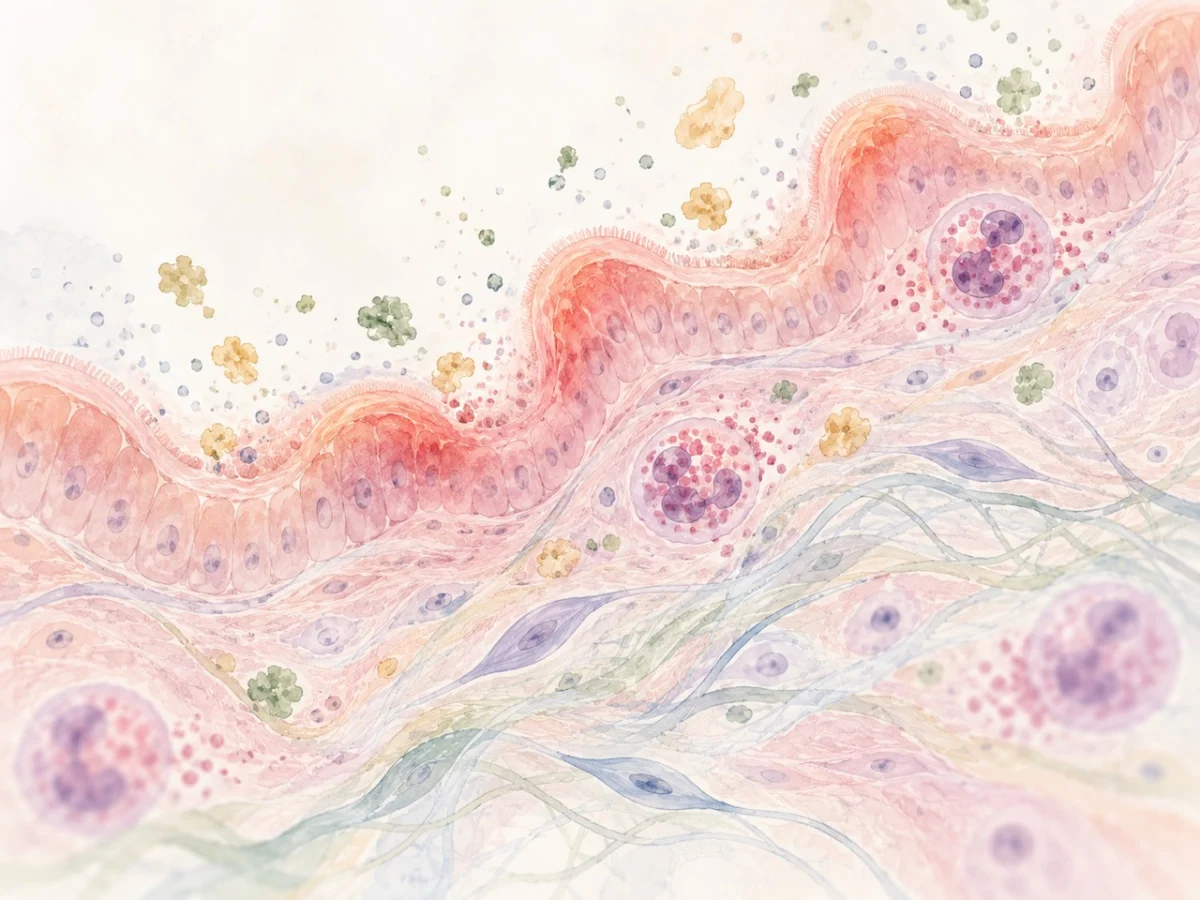
Unlike their IgE-mediated counterparts, non-IgE mediated food allergies are driven by complex interactions involving T-cells and other arms of the immune system. Because they do not rely on the immediate histamine release associated with IgE, they do not produce the "textbook" symptoms of anaphylaxis or immediate urticaria. Instead, they manifest through a sluggish, systemic inflammatory response.
The clinical profile of these reactions is characterized by a significant temporal lag. Symptoms—which include severe abdominal pain, vomiting, chronic diarrhea, and systemic malaise—can emerge hours or even days after the ingestion of a trigger protein. This delay is the primary reason these conditions often go undiagnosed for years. When a patient presents to a standard allergist, they are usually subjected to skin prick or serum IgE testing. When those tests inevitably return negative, the patient is often told they have no "true" allergy, leaving them to suffer without a clinical diagnosis or a clear path toward management.
Chronology: A History of Misdiagnosis
For decades, the medical establishment viewed GI symptoms in patients with connective tissue disorders as secondary, often labeling them as "functional" disorders like Irritable Bowel Syndrome (IBS) or simple acid reflux (GERD).
- Mid-20th Century: Allergy medicine focused almost exclusively on IgE-mediated, rapid-onset hypersensitivities. Patients with chronic, delayed GI symptoms were largely relegated to psychiatric or psychosomatic categories.
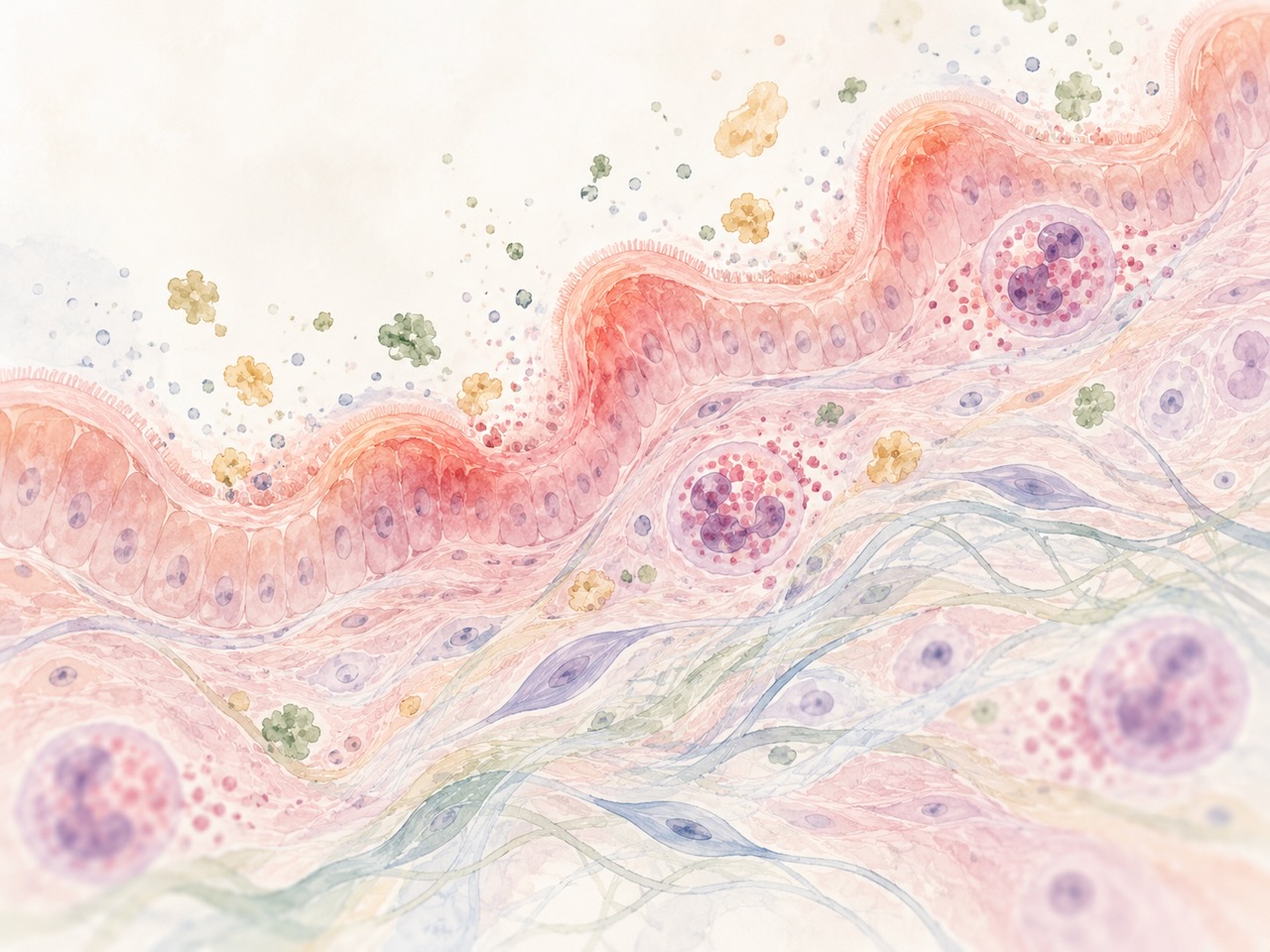
- Early 2000s: The emergence of Eosinophilic Esophagitis (EoE) as a distinct clinical entity began to shift the paradigm. Researchers noted that these patients had significant inflammation in the esophagus, not caused by acid, but by an influx of eosinophils triggered by dietary proteins.
- 2010s-2020s: Growing awareness of the "triad" of EDS, Mast Cell Activation Syndrome (MCAS), and POTS began to highlight that these patients were experiencing systemic immune dysregulation.
- 2026 (Present): Current research, including massive cohort studies, has finally quantified the link between connective tissue disorders and non-IgE conditions, providing a biological basis for what patients have reported for years: that their GI tract is fundamentally different.
Supporting Data: The Eight-Fold Risk
The connection between EDS and conditions like EoE is no longer just anecdotal. A landmark study, which analyzed clinical data from over one million patient records, revealed a startling statistic: individuals with connective tissue disorders, including EDS, Marfan syndrome, and various hypermobility syndromes, face an eight-fold increase in the risk of developing EoE compared to the general population.
This is not a peripheral association; it is a clinical marker of a shared biological pathway. Researchers hypothesize that the TGF-β (Transforming Growth Factor-beta) signaling pathway, which is notoriously dysregulated in EDS due to the abnormal collagen matrix, also plays a foundational role in the recruitment of eosinophils to the esophageal lining. This suggests that the same structural fragility that leads to joint hypermobility may simultaneously create a "leaky" or hyper-reactive mucosal barrier, allowing food antigens to provoke an inappropriate immune response.
Furthermore, studies have shown that in this specific demographic, eosinophilic inflammation is rarely confined to the esophagus. Instead, it often propagates throughout the entire gastrointestinal tract, causing enterocolitis and malabsorption that mimics or complicates conditions like Celiac disease or Inflammatory Bowel Disease (IBD).
Official Perspectives and Clinical Challenges
The medical community is currently in a state of recalibration regarding how to approach these patients. While the standard of care for IgE-mediated allergies is strict avoidance, the management of non-IgE conditions like FPIES (Food Protein-Induced Enterocolitis Syndrome) or EoE requires a more nuanced, multidisciplinary approach.
The Diagnostic Hurdle
Official guidance for diagnosing non-IgE mediated conditions is currently a process of elimination. Because there is no "blood test" for these reactions, gastroenterologists must rely on:
- Endoscopy with Biopsy: This remains the gold standard for diagnosing EoE. Physicians look for a threshold of eosinophils per high-power field in tissue samples.
- Elimination Diets: A highly structured, supervised removal of common triggers (such as dairy, soy, gluten, or legumes) followed by a measured reintroduction.
- Clinical History: A meticulous tracking of symptoms relative to food intake, often requiring a level of patient record-keeping that is labor-intensive and difficult to maintain.
Experts emphasize that for the EDS patient, "standard" reflux treatment—such as proton pump inhibitors (PPIs)—often fails. This failure is a primary clinical indicator that the patient may be dealing with an eosinophilic or mast-cell-driven process rather than simple acid production.
Implications for the EDS Community
The implications of these findings are profound for those living with chronic pain and hypermobility.
1. The Necessity of a Multidisciplinary Team
Patients can no longer rely on a single specialist. Managing these conditions requires a team consisting of a gastroenterologist familiar with eosinophilic disorders, a dietitian experienced in medical elimination diets, and an immunologist or allergist who understands the nuances of non-IgE pathways and MCAS.
2. Redefining "Allergy"
The medical community must move away from the binary definition of "allergic vs. non-allergic." For the EDS patient, the immune system is in a state of perpetual hyper-vigilance. Mast cells, which are found in high concentrations in the connective tissue of the GI tract, are often "primed" to react to environmental and dietary stimuli. When we treat the GI tract as a standalone organ, we ignore the fact that for an EDS patient, it is an extension of their systemic tissue fragility.
3. Advocacy and Education
The high prevalence of GI issues in EDS means that these symptoms are often minimized by clinicians. If a patient experiences consistent difficulty swallowing (dysphagia), food impaction, or chronic, unexplained vomiting, they must be empowered to demand investigation beyond a basic blood panel. The "eight-fold risk" statistic is a powerful tool for patient advocacy; it provides a research-backed mandate for doctors to look deeper.
Conclusion: A Path Forward
The landscape of food allergy and intolerance is shifting. We are moving from a model of "obvious reactions" to a more sophisticated understanding of chronic, immune-mediated inflammatory processes. For those with Ehlers-Danlos syndrome, this shift is vital.
The goal of future research is not just to identify these triggers, but to understand the molecular drivers that make the EDS GI tract so vulnerable. Until then, the onus remains on the patient and their care team to recognize that persistent, unexplained GI distress is not just "part of the syndrome"—it is a distinct, treatable, and clinically significant condition that deserves the full weight of medical investigation. By shedding light on the mechanisms of non-IgE mediated allergies, we can finally begin to provide relief to a community that has spent too long searching for answers in the wrong places.
By Jacqueline Moltzau Anderson, PhD, Researcher at the University of California, October 2026.