





As the calendar turns from September to October, Pain Awareness Month officially concludes. For the general public, the transition may signal a shift in focus, but for more than 60 million Americans, the reality of chronic pain remains a constant, 365-day-a-year experience. While awareness campaigns are vital for education, they do not resolve the physical, emotional, and systemic hurdles faced by those living with persistent, often invisible, suffering.
The conclusion of this annual observance serves as a poignant reminder: the need for empathy, medical advancement, and structural support does not expire when the month ends. To better understand the landscape of this struggle, we reached out to individuals across the country—representing all ages and a vast spectrum of diagnoses—to ask a singular, profound question: What keeps you moving forward?
The Anatomy of the Crisis: Defining Chronic Pain in America
Chronic pain is not merely a symptom; it is a complex health condition that affects more than one in five American adults. According to data from the Centers for Disease Control and Prevention (CDC), high-impact chronic pain—defined as pain that frequently limits life or work activities—is significantly associated with higher rates of anxiety, depression, and diminished quality of life.
The struggle is often compounded by the "invisibility" of the condition. Unlike acute injuries that present with obvious physical markers, chronic pain is often hidden. This leads to a persistent gap in the medical system where patients feel dismissed, gaslit, or forced to navigate a labyrinthine healthcare system that is frequently ill-equipped to provide comprehensive, multidisciplinary care.
Voices of Resilience: A Categorical Analysis of Hope
When we surveyed those living with chronic pain, their responses revealed that hope is rarely a singular, massive breakthrough. Instead, it is an intricate tapestry woven from small, daily acts of survival, community, and radical self-determination.
1. The Power of Community and Relational Support
Human connection is perhaps the most cited anchor for those managing pain. For many, the validation provided by family, friends, and fellow patients is the difference between isolation and endurance.
"My partner, who is also disabled and in chronic pain, understands my reality in a way no one else can," says Barry, 57. This sentiment of shared experience—or "solidarity"—is a recurring theme. Niki, 54, finds strength in her faith community and peers who suffer from chronic illness. "They fight the good fight every day with joy and gratitude," she notes. "That has taught me a lot about how to live with what I have."
For parents like Kari, 37, hope is found in the "glimmers" of normalcy—the moments her child asks to go to a cafe or gets lost in play, allowing the pain to recede into the background, if only for an hour.
2. Validation: The Critical Role of Healthcare Providers
The relationship between a patient and their physician is often the fulcrum upon which successful pain management balances. Patients report that the simple act of being heard is transformative.
"My pain doctor never giving up on me keeps me going," says Christina, 46. This reflects a shift toward more compassionate, patient-centered care. However, the system remains flawed. Bobbie, 42, notes the stark disparity in care: "Where there are 10 nurses who treat you the worst and don’t believe your pain, there are two that have a heart of compassion." These "two" are often the lifeline that prevents patients from giving up on treatment entirely.
3. The Promise of Research and Medical Innovation
While many struggle with current limitations, the horizon of medical science offers a tangible reason to stay engaged. From a better understanding of fibromyalgia to the development of new neuromodulation devices and non-opioid pharmaceutical interventions, the landscape is evolving.
Debbie, 68, notes that fibromyalgia is far better understood today than it was nearly two decades ago. For others, like Katie, 58, the excitement lies in the pipeline: "Research is continuing, and new medications and devices are coming out to help my pain!" This long-term view is essential, especially for younger patients like 13-year-old Daisy, who maintains the simple, powerful hope: "I hope that I won’t live with this high of a pain forever."
4. Advocacy: Transforming Trauma into Purpose
For many, the most effective tool for coping is externalizing their experience. By advocating for others, patients transform their personal suffering into systemic change, reclaiming agency in a life often dictated by limitations.
"I started advocating because I have to make sense of what happened to me," explains Sammie, 31. "I have to make something positive come out of it." This is a recurring theme among the chronic pain community—a desire to ensure that the next generation of patients faces fewer barriers to diagnosis and treatment.
The Reality of Despair: Acknowledging the Unspoken
A professional journalistic review of this topic would be incomplete without acknowledging the participants who shared that hope feels entirely out of reach. For individuals like Bill, 66, and many others, the day-to-day existence is not defined by "hope," but by "pure desperation."
These responses are a critical indictment of our current infrastructure. When a patient reports that "nothing gives me hope," it is not a failure of character, but a failure of a system that has left them in intractable pain without adequate support. This silence is the most urgent area for policy intervention.
Implications for the Future of Pain Management
The conclusion of Pain Awareness Month should not mark the end of the conversation; it should serve as a launchpad for policy and social reform. The implications for the medical, legislative, and social sectors are clear:
- Integrated Care Models: The healthcare system must move away from siloed treatments and toward multidisciplinary pain clinics that combine physical therapy, psychological support, and medical management.
- Provider Education: Medical training must emphasize empathy and the validation of "invisible" pain to prevent the diagnostic delays that currently exacerbate chronic conditions.
- Investment in Research: Continued federal and private funding is required to move beyond "symptom management" toward disease-modifying treatments.
- Social Support Structures: We must recognize that social isolation is a primary driver of poor health outcomes. Building patient-led communities and advocacy groups is a vital public health strategy.
Carrying the Movement Forward
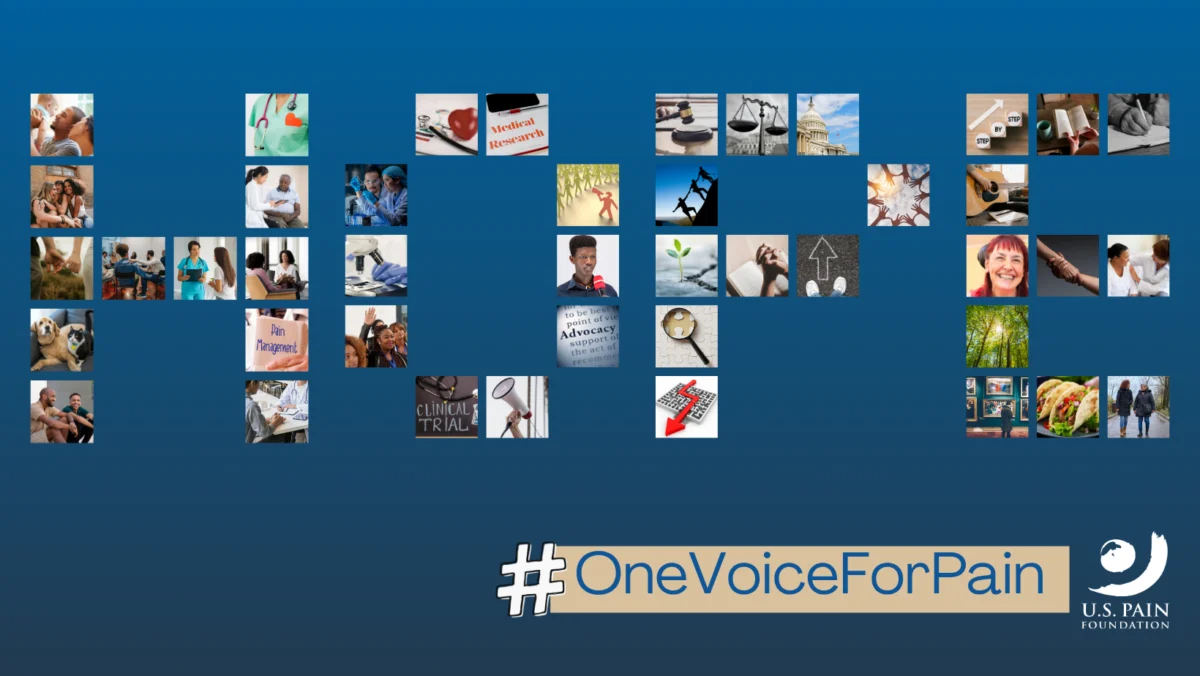
As we look toward the year ahead, the goal of the movement—#OneVoiceForPain—is to ensure that the stories shared during September continue to resonate. Whether it is a small victory, a new creative hobby, a supportive friend, or a breakthrough in a research lab, these fragments of hope are the fuel that keeps the community moving.
We must also continue to make space for those for whom hope is a struggle. By acknowledging that pain is a 365-day reality, we can foster a society that listens with greater intent and acts with greater urgency.
The call to action is clear: Let’s change how we perceive, treat, and talk about pain. Together.
Statistical Snapshot: Chronic Pain in the U.S.
- Prevalence: Roughly 60 million Americans suffer from chronic pain.
- Impact: Approximately 19.6 million have "high-impact" chronic pain, severely limiting their ability to work or participate in social activities.
- Co-morbidity: High correlation between chronic pain and mental health struggles, including a higher risk of suicide, underscoring the need for integrated, holistic care.
- Economic Burden: Chronic pain costs the U.S. economy an estimated $560 billion annually in medical expenses, lost productivity, and disability compensation.
If you or someone you know is struggling with chronic pain, resources are available through the U.S. Pain Foundation, the American Chronic Pain Association, and local patient advocacy groups. You are not alone.