






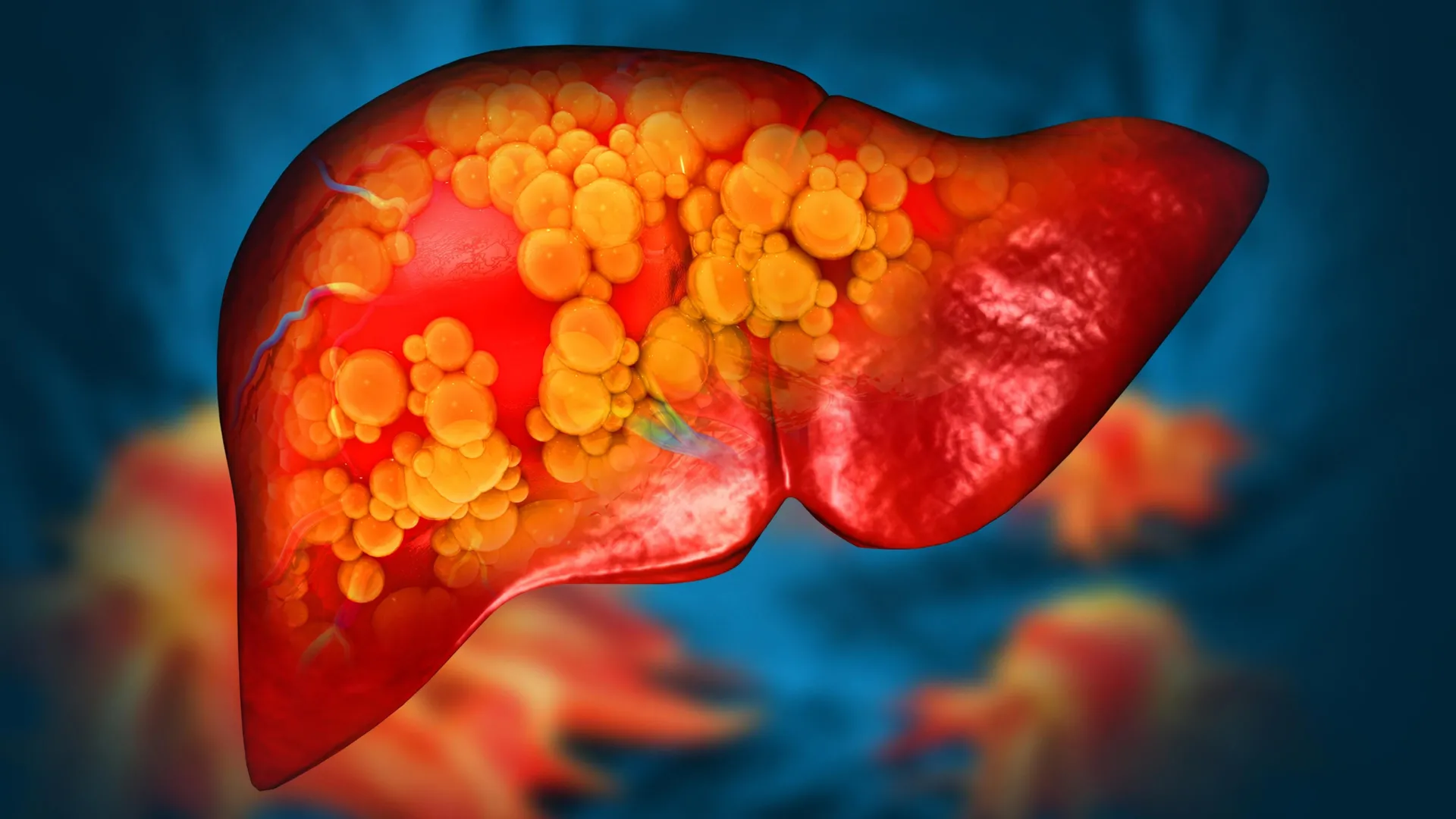
In the complex landscape of metabolic medicine, the liver has long been the primary focus of research regarding fatty liver disease. However, a groundbreaking study from Michigan Medicine suggests that the key to reversing this life-threatening condition may not lie within the liver itself, but rather in the microscopic ecosystem of the human gut.
Researchers have identified an experimental compound, DT-109, which appears to reverse metabolic dysfunction-associated steatohepatitis (MASH) by reinforcing the intestinal barrier and modulating the gut microbiome. By targeting the "gut-liver axis"—the bidirectional communication system between the digestive tract and the liver—this discovery marks a significant shift in how medical science approaches one of the most challenging chronic illnesses of the modern era.
The Growing Crisis: Understanding MASH
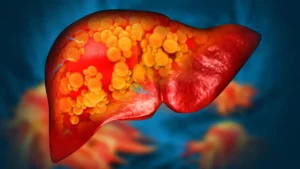
Metabolic dysfunction-associated steatohepatitis (MASH) is a severe progression of non-alcoholic fatty liver disease (NAFLD). It is characterized by the accumulation of excess fat in the liver, which triggers chronic inflammation and progressive cellular damage. Over time, this cycle of injury and repair leads to fibrosis—the scarring of liver tissue—which can eventually culminate in cirrhosis, liver failure, or hepatocellular carcinoma.
Global estimates indicate that approximately 7% of the world’s population currently suffers from MASH. Despite its prevalence and the severe health risks it poses, effective therapeutic interventions remain alarmingly limited. For years, clinicians have struggled to find treatments that can do more than merely manage symptoms or slow the disease’s progression. The discovery of DT-109 offers a new, mechanism-based strategy that addresses the disease’s root causes rather than just its clinical manifestations.
Chronology of a Breakthrough
The path to this discovery began with a shift in perspective. Researchers at the University of Michigan Medical School, led by senior author Eugene Chen, M.D., Ph.D., had previously established that DT-109—a glycine-based tripeptide—showed potential in improving liver health in animal models. A tripeptide is a small, versatile molecule consisting of three amino acids, the fundamental building blocks of protein.
While initial studies confirmed that DT-109 worked, the specific mechanism remained elusive. The research team’s subsequent investigations followed a clear logical progression:
- Identifying the Culprit: Scientists first confirmed that an overgrowth of Clostridium perfringens, a bacterium capable of producing ammonia, was a primary driver of the damage.
- Mapping the Damage: They observed that excessive ammonia production compromises the gut’s epithelial barrier. Under normal conditions, this lining acts as a fortress, preventing harmful substances from leaking into the bloodstream.
- The Gut-Liver Link: When the barrier is breached, microbial toxins enter the circulation, traveling directly to the liver. This systemic "leakage" triggers an immune response, specifically the overactivation of CD8+ T cells, which then exacerbate inflammation within the liver.
- The Intervention: The team introduced DT-109 to this cycle. The compound successfully reduced the population of Clostridium perfringens, lowered ammonia production, and, most crucially, restored the structural integrity of the gut lining.
The Science of the Gut-Liver Axis
The "gut-liver axis" is a biological term describing the constant exchange of chemical signals and microbial products between the digestive system and the liver. Because blood flows from the intestines directly to the liver via the portal vein, any change in the gut environment is immediately reflected in the liver’s metabolic state.
As the recent Journal of Clinical Investigation publication details, the gut-liver axis is more than just a pathway; it is a critical regulatory system. When the gut barrier is healthy, it filters out the "noise" of microbial metabolism. When it is damaged by pathogens like C. perfringens, the liver is bombarded with toxins.
"DT-109 connects microbiota modulation with liver protection by restoring gut barrier integrity and limiting the systemic translocation of ammonia and other pro-inflammatory microbial products," explains Jifeng Zhang, Ph.D., co-author and research professor of cardiovascular medicine at U-M. By acting as a "gatekeeper" at the intestinal level, DT-109 prevents the inflammatory cascade that causes MASH from ever gaining a foothold in the liver.
Supporting Data and Clinical Significance
The efficacy of DT-109 was tested across multiple models, but the results in nonhuman primates proved particularly compelling. Because the liver biology and gut microbiomes of these primates closely mirror human systems, the successful reduction of liver inflammation and MASH severity in these trials provides a strong foundation for future human clinical trials.
Beyond MASH, the drug’s ability to reinforce the intestinal barrier hints at a much broader utility. Previous studies have demonstrated that DT-109 can mitigate the formation of atherosclerotic plaques and prevent vascular calcification—the hardening of arteries due to calcium buildup. Given that metabolic syndrome often manifests as a multi-organ failure involving both the liver and the cardiovascular system, a treatment that protects the integrity of the gut could provide a systemic defense against diverse metabolic diseases.
Perspectives from the Research Team
The research team emphasizes that while the liver is the site of the most visible damage in MASH, it is often a bystander to the chaos occurring in the intestines.
"We see clear evidence that DT-109 protects the gut epithelial barrier, reducing the systemic influx of harmful microbial products that are thought to contribute to MASH development and progression," Dr. Eugene Chen stated. "This compound shows benefits to the gastrointestinal system and has great potential as a treatment for MASH."
Echoing this sentiment, Elliot Tapper, M.D., Academic Director of Hepatology at Michigan Medicine, noted the clinical urgency of the findings. "This study presents novel evidence about the pathogenesis of MASH and provides excitement about a therapeutic avenue to explore for a condition that remains difficult to treat. What patients with MASH need is a safe and effective therapy capable of improving their liver and heart health—of course we are excited about these developments."
Implications for Future Medicine
The implications of this research extend far beyond fatty liver disease. If the gut-liver axis is indeed the primary gatekeeper for chronic inflammation, then restoring intestinal health could become a cornerstone of treatment for a wide range of conditions, including Inflammatory Bowel Disease (IBD), Crohn’s disease, and ulcerative colitis.
However, the researchers remain cautious. While the animal data is robust, DT-109 remains an experimental treatment. The transition from animal models to human clinical trials is a rigorous process designed to ensure safety, efficacy, and appropriate dosage. The team is currently moving toward these essential human trials, which will determine if the "gut-first" strategy can successfully translate to the complexity of human patients.
Transparency and Funding
The development of DT-109 is a collaborative effort involving both academic rigor and commercial foresight. Several members of the research team, including Ying Zhao, Oren Rom, Jifeng Zhang, and Y. Eugene Chen, are listed as inventors on a patent application covering the tripeptide’s use in metabolic, cardiovascular, and inflammatory disorders.
The University of Michigan holds the patent and has licensed it to Diapin Therapeutics, a company in which both the university and Dr. Chen maintain an ownership interest. This partnership is designed to facilitate the complex, expensive process of bringing a novel drug through the FDA-approval pipeline. All research involving animal subjects was conducted in strict adherence to the National Institutes of Health guidelines for the care and use of laboratory animals, ensuring that the findings were derived ethically and transparently.
Conclusion: A New Horizon
The emergence of DT-109 signals a departure from the traditional "symptom-focused" model of hepatology. By acknowledging that the gut is a major player in liver health, researchers have uncovered a therapeutic target that was previously overlooked.
If the promise of this tripeptide is realized in human trials, the medical community may soon have a powerful new tool in its arsenal—one that addresses the systemic roots of inflammation, potentially curing the liver by healing the gut. For the millions of people living with the shadow of MASH, this "gut-first" strategy represents a beacon of hope for a more effective, holistic approach to long-term health.