










In the evolving landscape of modern medicine, the approach to chronic pain is undergoing a radical transformation. For decades, the default response to persistent physical agony was a prescription pad. Today, however, leading medical institutions like the Southwest Florida (SWFL) Pain Center are shifting the paradigm, moving away from systemic medication toward highly targeted, interventional procedures. By integrating advanced imaging, minimally invasive surgical techniques, and a patient-centric philosophy, the Center is setting a new benchmark for how society manages, mitigates, and eliminates chronic pain.
Main Facts: The Philosophy of Precision
At the core of the SWFL Pain Center’s mission is a fundamental rejection of "blanket" pain management. The Center operates on the premise that chronic pain is not a monolith; it is a complex, physical manifestation of neurological and structural irregularities that require pinpoint accuracy to resolve.
The facility distinguishes itself through a unique "high-tech meets high-touch" methodology. This philosophy ensures that while patients benefit from the most sophisticated medical technology available, they are treated with the empathy and personal attention often lost in large, bureaucratic health systems. The primary objective is not merely the management of symptoms, but the aggressive pursuit of the root cause. By bypassing the need for long-term oral analgesics—which carry risks of dependency and systemic side effects—the center focuses on restorative procedures that allow patients to reclaim their quality of life.
Chronology: The Evolution of Interventional Pain Management
The history of pain management is a story of gradual refinement. For most of the 20th century, pain was viewed as a secondary symptom to be masked. It wasn’t until the late 1990s and early 2000s that the medical community began to recognize the limitations of pharmacotherapy.
- The Early 2000s: The rise of interventional pain management began as practitioners realized that localized injections (such as epidurals) could provide more effective relief than systemic pills.
- The Mid-2000s: The integration of real-time imaging, specifically fluoroscopy and ultrasound, allowed physicians to move from "blind" injections to guided procedures, drastically increasing safety and efficacy.
- The 2010s to Present: The establishment of the SWFL Pain Center marked a pivotal moment for regional healthcare. By investing in on-site, state-of-the-art surgical suites, the center moved away from hospital-based settings, which often felt sterile and intimidating, toward a specialized, patient-focused environment. This period saw the normalization of advanced procedures like spinal cord stimulation and radiofrequency ablation as standard, first-line considerations for chronic sufferers.
Supporting Data: Advanced Modalities in Modern Care
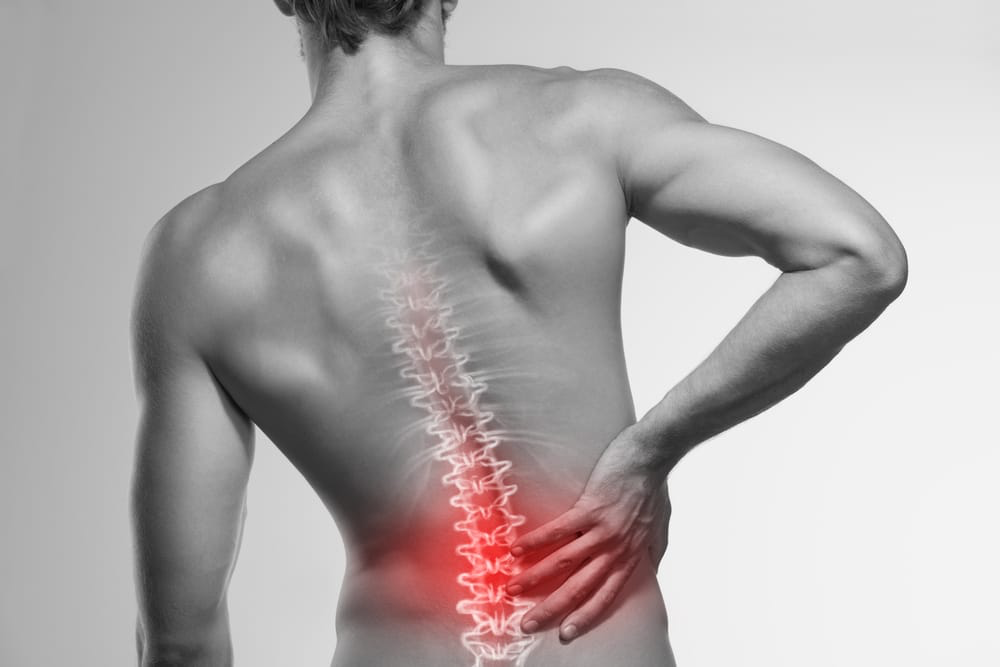
The efficacy of the SWFL Pain Center lies in its diverse toolkit. Chronic pain, whether originating from the cervical, thoracic, or lumbar spine, requires a surgical strategy tailored to the specific anatomical issue. The center utilizes several advanced modalities:
Spinal Cord Stimulation (SCS)
SCS is one of the most significant breakthroughs in neuro-modulation. By placing small electrodes near the spinal cord, physicians can deliver mild electrical impulses that replace pain signals with a more comfortable sensation, effectively "re-wiring" how the brain perceives pain.
Radiofrequency Ablation (RFA)
For patients suffering from facet joint pain, RFA offers a long-term solution. By using thermal energy to disrupt the nerve fibers responsible for transmitting pain signals, the center can provide relief that lasts for months or even years, significantly reducing the need for repeat interventions.
Ultrasound and Fluoroscopy-Guided Injections
Precision is the difference between a successful treatment and a failed one. By utilizing high-definition ultrasound and continuous fluoroscopic imaging, practitioners can navigate needle placement with millimeter precision. This ensures the medication reaches the precise site of inflammation or nerve compression, minimizing tissue trauma and maximizing the therapeutic window.
Discography
Discography serves as a critical diagnostic tool, allowing physicians to identify the specific discs causing a patient’s discomfort. This prevents "shot-in-the-dark" surgeries and ensures that any subsequent intervention is directed at the true source of the patient’s agony.
Official Responses and Clinical Perspectives
Medical directors at the Southwest Florida Pain Center emphasize that the "artistic atmosphere" of their facility is not just for aesthetics—it is a functional component of the healing process. According to internal reports and testimonials, the clinical environment plays a significant role in lowering cortisol levels in patients, which in turn reduces their sensitivity to pain.
"When a patient walks into our center, they shouldn’t feel like they are entering a factory," says a representative from the center. "They are entering a place of recovery. By combining the sterile precision of an operating room with the calming, artistic design of our facility, we prepare the patient’s mind and body for the intervention. We aren’t just treating the spine; we are treating the person."
Clinical feedback from patients supports this approach. The shift away from systemic drugs has been described by many long-term patients as a "liberation," allowing them to return to professional and personal activities without the cognitive fog associated with chronic pain medication.
Implications for the Future of Healthcare
The model pioneered by the SWFL Pain Center has profound implications for the future of the American healthcare system. As the population ages, the prevalence of degenerative spinal conditions and chronic joint pain is expected to climb. Relying on traditional pharmaceutical interventions is becoming increasingly untenable due to the well-documented risks of opioid dependence and the lack of long-term success with conservative, non-invasive therapies.
Economic Impact
Interventional pain management, while initially perceived as a high-cost investment due to equipment and specialized staffing, often leads to lower long-term costs. By addressing the root cause, the center reduces the frequency of emergency room visits, long-term pharmaceutical dependency, and the need for more invasive, high-risk open surgeries.
A New Standard of Care
The "high-tech meets high-touch" model is rapidly becoming the gold standard. It necessitates a new breed of practitioner—one who is as adept with advanced medical imaging software as they are with patient communication. As medical technology continues to shrink and improve (with smaller, more intuitive devices), we can expect to see an even greater reduction in recovery times and a higher threshold for patient success.
Improving Patient Autonomy
Perhaps the most critical implication of this shift is the restoration of patient autonomy. Chronic pain is notoriously isolating, often forcing patients to withdraw from the workforce and social spheres. By providing effective, non-narcotic alternatives, the SWFL Pain Center empowers patients to take an active role in their recovery. The transition from a "passive patient" (who waits for a prescription to take effect) to an "active participant" (who undergoes a targeted, successful procedure) is a fundamental psychological shift that facilitates faster physical healing.
Conclusion
The Southwest Florida Pain Center represents more than just a medical facility; it is a blueprint for the future of pain management. By rejecting the status quo of medication-heavy treatment and embracing the cutting-edge intersection of neuro-modulation, image-guided intervention, and empathetic care, they have created a sustainable model for long-term health.
As the medical community continues to grapple with the complexities of chronic pain, the lessons learned at SWFL serve as a vital reminder: that with the right technology and the right philosophy, a life defined by pain can indeed be transformed into a life defined by potential. The era of masking pain is coming to an end; the era of precise, restorative, and interventional healing has firmly arrived.