







For individuals navigating the complex symptom profiles of hypermobile Ehlers-Danlos syndrome (hEDS) and related hypermobility spectrum disorders (HSD), the body often provides ambiguous signals. Among the most common concerns is the sudden onset of redness in the hands and feet. While many patients are familiar with "blood pooling"—a byproduct of the autonomic nervous system dysfunction common in the hypermobile community—there is a distinct, often overlooked, and painful condition that can mimic this presentation: erythromelalgia.
Understanding the nuances between these two conditions is not merely an academic exercise; it is a critical step toward appropriate clinical management and improved quality of life. As researchers continue to bridge the gap between small fiber neuropathy (SFN), dysautonomia, and connective tissue disorders, erythromelalgia is emerging as a vital piece of the diagnostic puzzle.
Main Facts: Understanding the Redness
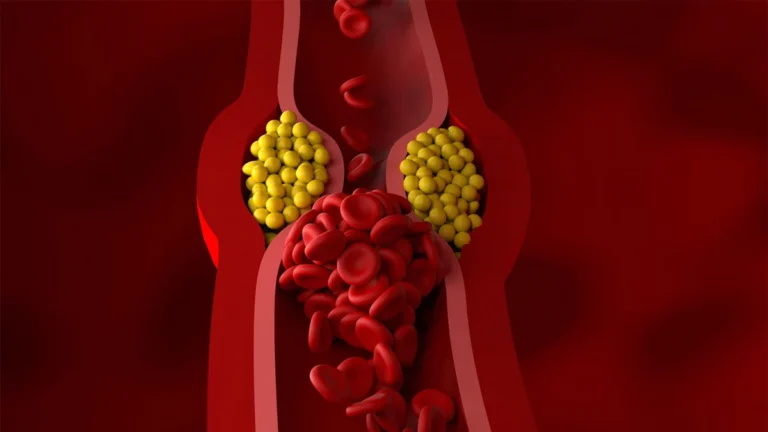
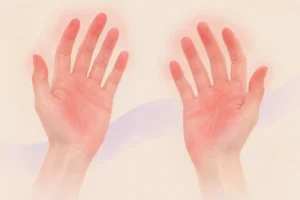
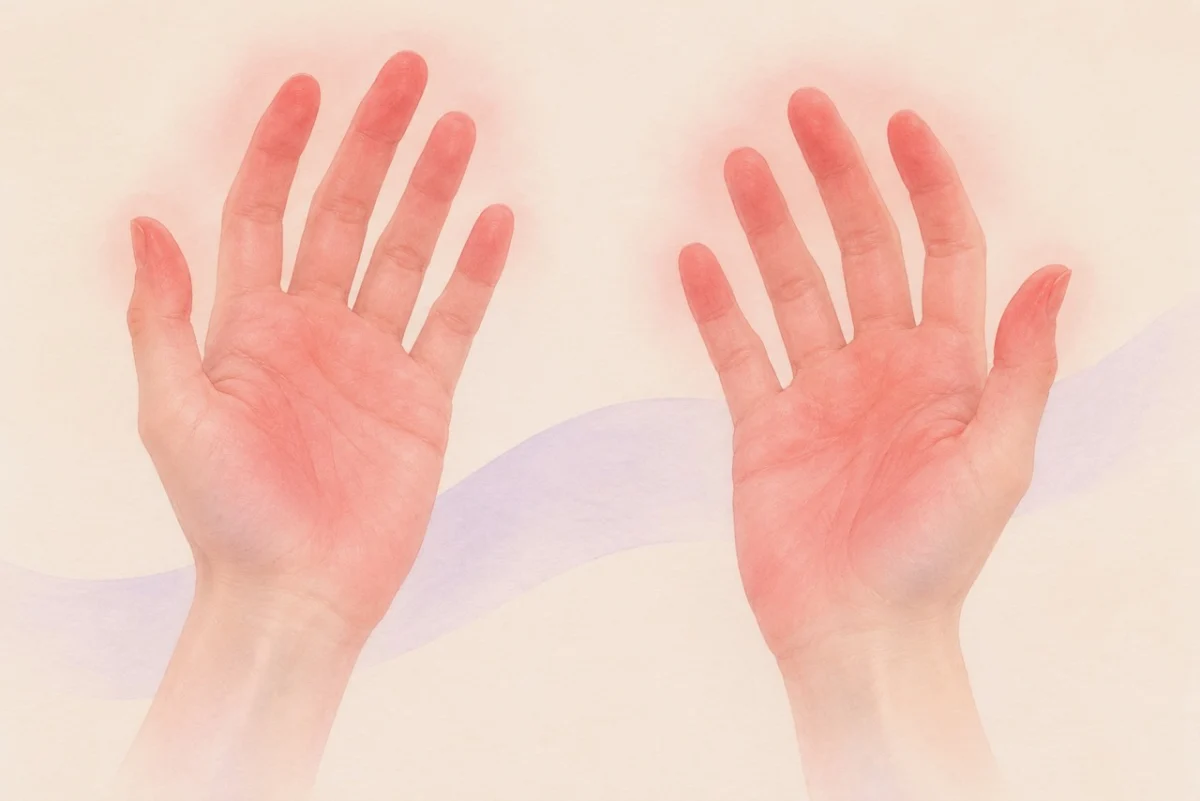
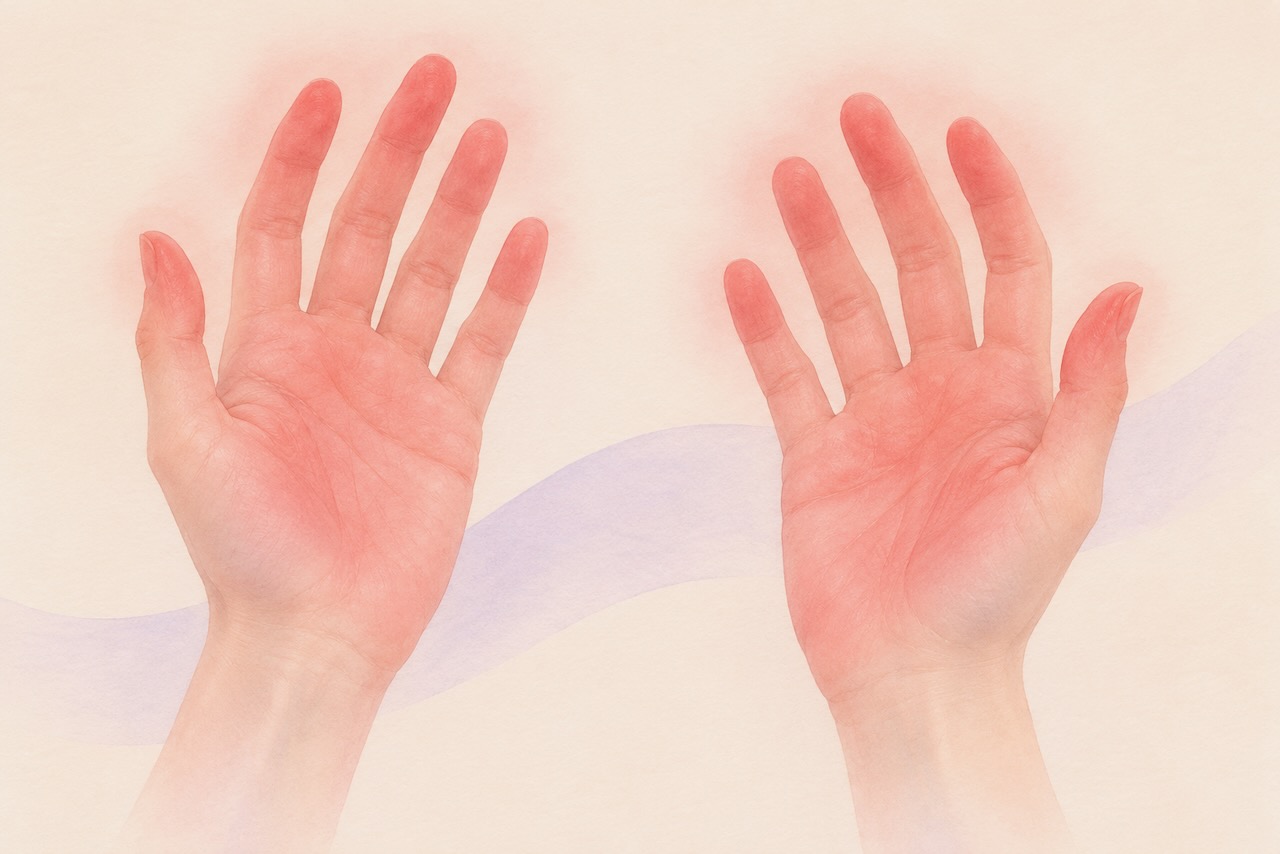
Erythromelalgia is a rare neurovascular condition defined by a clinical triad: redness (erythema), intense warmth, and severe burning pain. While it is frequently confused with the benign (though uncomfortable) blood pooling seen in postural orthostatic tachycardia syndrome (POTS), its underlying mechanisms are far more aggressive.
The Diagnostic Triad
- Redness: Unlike the dusky purple of blood pooling, erythromelalgia typically presents as a bright, inflamed red.
- Warmth: Affected skin feels significantly hotter than the surrounding tissue.
- Burning Pain: The pain is neuropathic in nature, often described as stinging, throbbing, or searing.
While blood pooling is primarily gravity-dependent, erythromelalgia is often triggered by thermal stimuli. Heat, exercise, stress, and even dietary choices like spicy foods or caffeine can precipitate an agonizing flare-up that may last from minutes to several days.
Chronology of Clinical Recognition
The evolution of our understanding of erythromelalgia has moved from a dermatological curiosity to a recognized dysautonomic syndrome.
- Early Descriptions: First described by Silas Weir Mitchell in the late 19th century, the condition was initially labeled "erythromelalgia" based on its Greek roots: erythros (red), melos (limb), and algos (pain).
- Genetic Breakthroughs (Early 2000s): The discovery of mutations in the SCN9A gene provided the first definitive biological evidence for primary erythromelalgia, linking it to hyperexcitability of pain-sensing neurons.
- The Neuropathy Connection (2010s–Present): Recent clinical research, particularly studies published as recently as 2025, has shifted the focus toward peripheral nerve health. Findings now show that patients with erythromelalgia exhibit a loss of autonomic nerve fibers—the same fibers responsible for regulating vascular tone and temperature.
- Integration into the hEDS Landscape: As the prevalence of small fiber neuropathy (SFN) in the hEDS population has become better documented, clinicians are increasingly identifying erythromelalgia not as a comorbid "oddity," but as a logical manifestation of the same underlying autonomic instability that characterizes hypermobility disorders.
Supporting Data: The Biological Overlap
The link between erythromelalgia, SFN, and hEDS is supported by converging data points from neurology and dermatology.
Small Fiber Neuropathy (SFN) and Vascular Regulation
SFN is a condition in which the small-diameter nerve fibers—which carry pain and temperature sensations and control autonomic functions—are damaged. A 2025 study published in the American Journal of Dermatopathology examined skin biopsies from erythromelalgia patients, revealing widespread damage to the nerves surrounding sweat glands and small arteries.
This is highly significant for the hEDS community. Because hEDS patients frequently suffer from autonomic dysfunction, their vascular systems are often unable to constrict or dilate appropriately. When this is coupled with the nerve fiber loss seen in SFN, the body loses its ability to "cool" the extremities effectively, resulting in the vasodilation that causes the redness and heat of an erythromelalgia flare.
Diagnostic Hurdles
The rarity of the condition and its episodic nature create a significant barrier to diagnosis.
- The "Appointment Gap": Because symptoms are often triggered by environment, patients rarely present with active flares in a climate-controlled doctor’s office.
- Imaging Limits: Standard EMGs and nerve conduction studies are typically normal, as they only measure large nerve fibers, not the small fibers involved in this condition.
- Specialized Testing: Quantitative Sudomotor Axon Reflex Tests (QSART) and thermography are currently the gold standards for gathering supporting evidence, though they are not universally available.
Official Perspectives and Clinical Responses
The medical community is increasingly adopting a multidisciplinary approach to managing these overlapping conditions. Neurologists, rheumatologists, and pain specialists are now encouraged to look for the "red flags" that distinguish erythromelalgia from simple venous insufficiency.
The "Elevation Test"
Clinical guidelines suggest a simple bedside test for patients and providers:
- If the redness and pain improve significantly with elevation alone, it is likely consistent with blood pooling/dysautonomia.
- If the redness persists and the burning pain remains, even when the limb is elevated, it strongly suggests a neuropathic process like erythromelalgia.
Avoiding Iatrogenic Harm
A major concern for clinicians is the patient’s natural instinct to cool the burning skin. While room-temperature fans and cool (not freezing) cloths are encouraged, ice water immersion is strictly contraindicated. The paradoxical response to extreme cold in erythromelalgia can cause severe tissue damage, leading to skin ulceration, necrosis, and potentially amputation in extreme, untreated cases.
Implications for Patients with hEDS
For those living with hEDS, the implications of this knowledge are transformative.
1. Reframing the "Normal"
Patients often dismiss burning hands or feet as "just another EDS symptom." Recognizing erythromelalgia allows for a more targeted approach. If a patient identifies the condition as neuropathic, they may be candidates for treatments that would be ineffective for simple blood pooling, such as sodium channel blockers or specialized nerve pain modulators.
2. Personalized Management Strategies
Treatment is highly individualized. Management is currently categorized as follows:
- Primary/Genetic: Often requires specialized pharmacological intervention (e.g., mexiletine or carbamazepine) to stabilize sodium channels.
- Secondary (Neuropathic): Focuses on treating the underlying cause, such as B12 deficiency, autoimmune screening, or aggressive management of the associated small fiber neuropathy.
- Lifestyle Modification: Managing triggers—avoiding tight footwear, using cooling aids (gel packs, not ice), and identifying dietary triggers—remains the first line of defense.
3. The Future of Care
The growing recognition of the connection between SFN, dysautonomia, and erythromelalgia means that more providers are beginning to see the "full picture" of hEDS. Rather than treating the feet and the connective tissue as separate entities, the current trend is toward a systemic view of the nervous system as the orchestrator of these diverse symptoms.
Conclusion: Empowering the Patient
The journey toward understanding erythromelalgia is, in many ways, emblematic of the broader struggle for those with chronic, invisible illnesses. It requires moving beyond surface-level observations to understand the intricate wiring of the nervous system.
For the patient, the takeaway is clear: Your symptoms have a biological mechanism. If you are experiencing persistent burning, warmth, and redness that does not resolve with simple postural changes, it is time to have a targeted conversation with your care team.
By distinguishing between the manageable nature of blood pooling and the neuropathic nature of erythromelalgia, patients can advocate for more effective, evidence-based treatments. The integration of this condition into the diagnostic framework of hEDS is a welcome advancement, moving the community toward a future where "red hands" is no longer just a mystery, but a actionable clinical pathway.
By Jacqueline Moltzau Anderson, PhD, Researcher at the University of California.
November 2026