









In the high-stakes theater of modern medicine, a tectonic shift is underway. For decades, the robotic surgery landscape has been defined by the dominance of a single entity: Intuitive Surgical. However, the equilibrium of this multi-billion-dollar industry is being systematically challenged as medtech giants Johnson & Johnson (J&J) and Medtronic ramp up their competitive efforts. Following its pivotal FDA de novo authorization in July 2026, Johnson & Johnson’s Ottava robotic system has officially entered the commercial arena, marking a significant milestone with its inaugural agreement at the Memorial Hermann-Texas Medical Center.
This move is not merely a product launch; it represents a strategic pivot for J&J as it seeks to capture a significant share of the global surgical robotics market. Simultaneously, the industry is witnessing a "robot war" of sorts, highlighted by Medtronic’s recent expansion of FDA clearances for its Hugo system, setting the stage for an intense period of competition that promises to reshape operating rooms worldwide.
The Main Facts: A New Contender in the OR
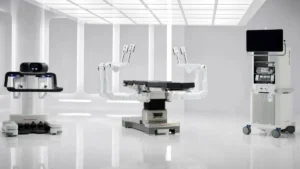
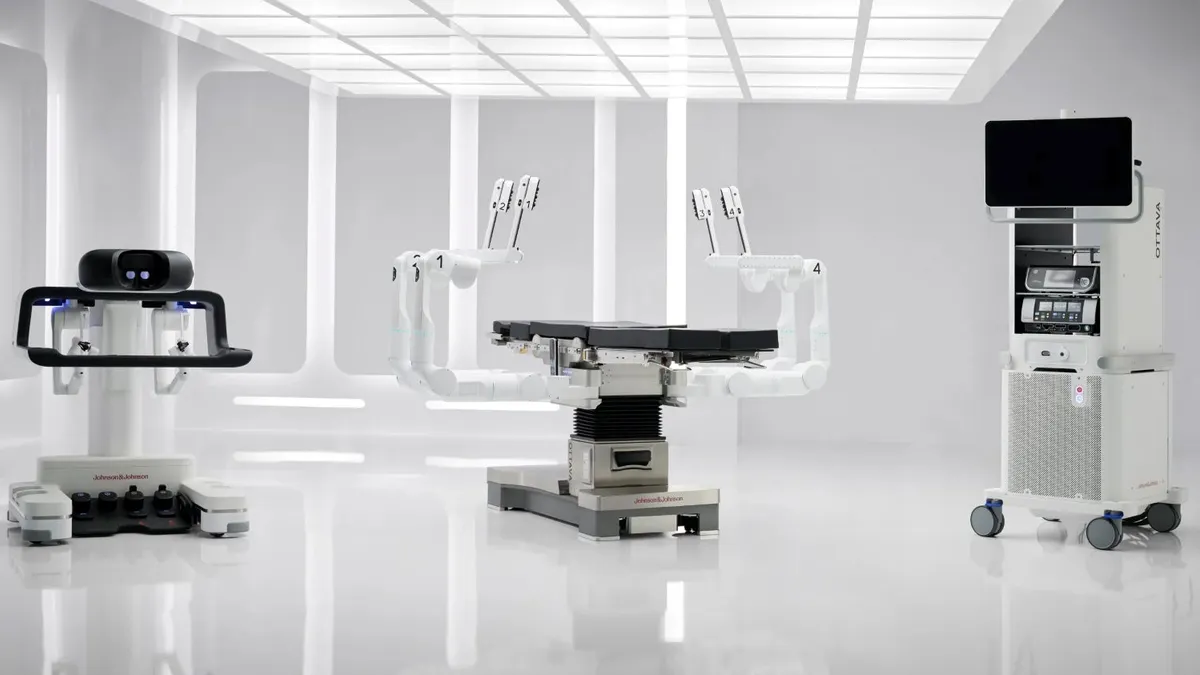
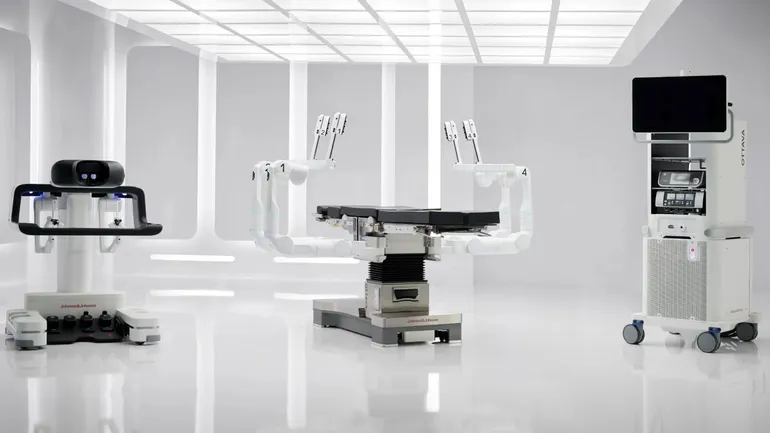
The Ottava system is Johnson & Johnson’s flagship response to the evolving needs of modern surgery. Unlike legacy systems that occupy significant floor space, Ottava is engineered with a unique design philosophy: the integration of four robotic arms directly into a standard-sized surgical table. This design addresses one of the most persistent "pain points" for hospital administrators—the physical constraints of the operating room (OR).
By optimizing the footprint, J&J aims to improve procedural efficiency and workflow for surgical teams. The system received its initial FDA de novo authorization in July 2026, specifically cleared for ten general surgery procedures within the upper abdomen, including:
- Roux-en-Y gastric bypass
- Gastrectomy and gastric sleeve
- Cholecystectomy (gallbladder removal)
- Splenectomy
- Small bowel resection
- Appendectomy
- Lysis of adhesions
- Fundoplication and hiatal hernia repair
The selection of Memorial Hermann-Texas Medical Center as the first commercial partner is a calculated move. The facility served as a clinical trial site during the Ottava’s investigational device exemption (IDE) program, meaning the local surgical teams are already intimately familiar with the platform’s capabilities, reducing the traditional learning curve associated with adopting new robotic technology.
Chronology: The Path to Market
The journey of the Ottava system reflects the broader maturation of the medical robotics sector. Below is a timeline of the pivotal events leading to this current commercial phase:
- Pre-2024: Johnson & Johnson initiates a massive R&D push to integrate robotics into its broader medtech ecosystem, aiming to transition from a traditional tool manufacturer to a digital surgery solutions provider.
- 2025: Throughout the year, J&J conducts extensive clinical trials under the FDA’s investigational device exemption (IDE) program, with sites like Memorial Hermann providing critical data on safety and efficacy.
- July 2026: The FDA grants de novo authorization for the Ottava system, validating the platform for specific general surgical procedures.
- Late 2026: Medtronic achieves a milestone of its own, receiving expanded FDA clearance for its Hugo robot, specifically for general surgical applications in the upper abdomen.
- Q4 2026: Johnson & Johnson officially announces the first commercial deployment of Ottava at Memorial Hermann-Texas Medical Center, signaling the start of a phased U.S. rollout.
The Medtronic Factor: A Rivalry Reimagined
While J&J captures headlines with Ottava, its primary rival, Medtronic, is not standing still. The competitive landscape is currently defined by the race between these two behemoths to dismantle the near-monopoly held by Intuitive Surgical’s da Vinci system.
Medtronic’s Hugo robotic system, which initially gained FDA clearance in December for urologic procedures—specifically prostate removal—has now expanded its horizons. The recent FDA clearance for Hugo in upper abdominal general surgery puts it in direct, head-to-head competition with Ottava. For hospital procurement teams, the decision between J&J and Medtronic is becoming increasingly complex, as both companies leverage their existing portfolios of surgical instruments and medical supplies to bundle robotic systems into attractive, long-term hospital contracts.
Supporting Data: Why Robotics is the Future
The shift toward robotic-assisted surgery is driven by data-backed benefits. Industry reports suggest that robotic surgery can offer:
- Reduced Recovery Times: Minimally invasive robotic procedures generally lead to shorter hospital stays compared to traditional open surgery.
- Standardization: Robotics provide a consistent platform that can help standardize surgical techniques across different surgeons within a single hospital system.
- Digital Integration: Modern platforms like Ottava and Hugo are built to integrate with surgical AI, potentially allowing for real-time guidance, data collection, and analytics that were previously unavailable.
According to J&J, the Ottava system specifically addresses the "Four Pillars of Hospital Pressure": space constraints, workflow complexity, the surging demand for elective surgeries, and the tightening of healthcare resource budgets. By integrating the robotic arms into the table, J&J claims it can reduce the "setup time" between surgeries, effectively allowing hospitals to increase their daily case volume.
Official Responses and Strategic Intent
Leadership at Johnson & Johnson has characterized the Ottava rollout as a deliberate, phased strategy. Rather than attempting a nationwide "blitz" launch, the company is focusing on select centers of excellence to ensure that initial clinical outcomes are impeccable.
"Ottava represents more than a new technology offering; it is a fundamental rethinking of how the operating room functions," said a spokesperson for J&J’s MedTech division. The company emphasized that the collaboration with Memorial Hermann is just the beginning. The plan is to utilize real-world evidence from these initial sites to lobby the FDA for expanded indications, potentially moving into thoracic, colorectal, and gynecological procedures in the coming years.
For its part, Memorial Hermann-Texas Medical Center sees this as an opportunity to cement its status as a leader in innovative surgical care. By participating in the initial commercial rollout, the center positions itself at the cutting edge of clinical practice, attracting top-tier surgeons who wish to utilize the latest in robotic technology.
Implications: The Industry at a Crossroads
The entry of J&J’s Ottava and the expansion of Medtronic’s Hugo into the U.S. market signal the end of the "early adopter" phase of robotic surgery. We are now entering the "standard of care" phase.

1. Market Consolidation and Pricing Pressure
As competition intensifies, the pricing power once enjoyed by the market leader will likely face significant downward pressure. Hospitals, currently struggling with razor-thin margins and staffing shortages, will leverage this rivalry to negotiate better terms, not just for the robotic hardware, but for the proprietary consumables (disposables) that drive the recurring revenue model for these systems.
2. The "Ecosystem" Battle
This is no longer a battle of robots; it is a battle of ecosystems. J&J’s strategy is to integrate its robotic platform with its extensive line of sutures, staplers, and energy devices. If a surgeon can use J&J tools within a J&J robot, the workflow is streamlined. Medtronic is pursuing a similar strategy, leveraging its deep presence in patient monitoring and surgical energy to create a "connected" OR.
3. Training and Education
The proliferation of robotic systems creates a new demand for training. Surgeons will need to become proficient in multiple systems, or hospitals will need to commit to one platform to ensure safety and competency. This will lead to a new paradigm in medical education, where J&J and Medtronic will likely become the primary educators of the next generation of surgeons.
4. Patient Outcomes
Ultimately, the proliferation of competition is a win for the patient. Increased competition fosters innovation. As J&J and Medtronic vie for dominance, the pace of software updates, AI integration, and hardware ergonomic improvements will accelerate. The goal, as stated by both companies, is to move toward the "digitally connected OR," where robotic assistance reduces human error and improves patient outcomes across a wider range of socioeconomic settings.
Conclusion
The commercial debut of Johnson & Johnson’s Ottava at Memorial Hermann is a seminal moment in the history of medical technology. While Intuitive Surgical remains the incumbent to beat, the landscape is shifting rapidly beneath its feet. With the backing of a global healthcare powerhouse, a design that prioritizes space efficiency, and a clear regulatory pathway for further indications, J&J has firmly staked its claim in the robotic future.
As the competition between J&J, Medtronic, and Intuitive heats up, the operating room of the next decade will look vastly different from that of the last. It will be a space defined by high-tech integration, optimized efficiency, and a relentless pursuit of the "robotic standard." For patients, the promise is clear: more precise, less invasive, and increasingly standardized care, delivered by the most advanced tools humanity has ever developed for the surgical suite. The robot war is on, and the ultimate beneficiary, one hopes, will be the patient.