









The traditional experience of filling a prescription—a routine trip to the local corner pharmacy—is undergoing a profound transformation. While brick-and-mortar pharmacies remain a cornerstone of the healthcare system, a new, digitally enabled ecosystem is emerging. This shift is characterized by online platforms, home delivery, and a concerted effort by industry innovators to replace the "black box" of prescription pricing and coverage with a seamless, user-centric experience.
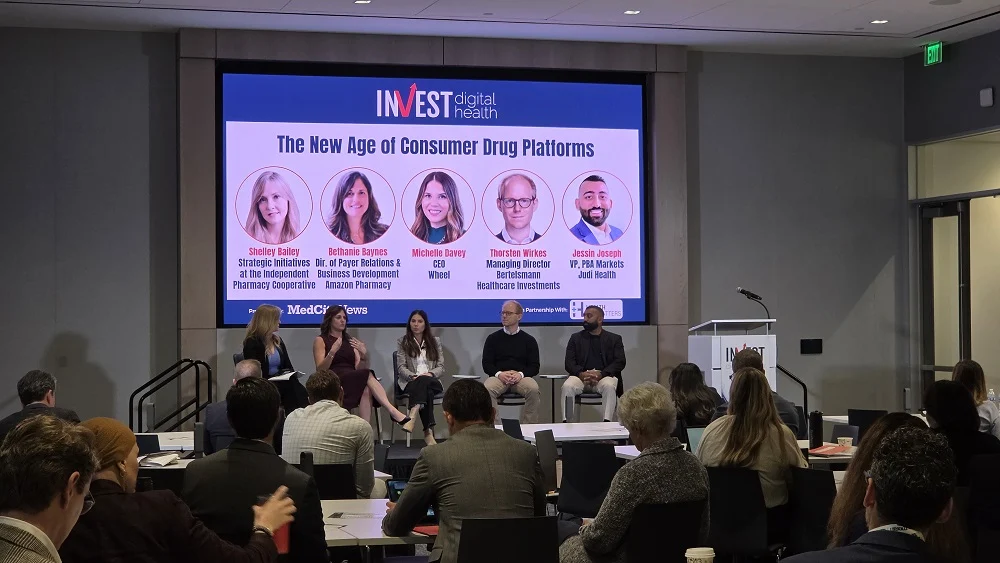
The evolution of these platforms was the focal point of a recent panel discussion at the INVEST Digital Health Conference in Dallas. Moderated by Shelley Bailey of the Independent Pharmacy Cooperative, the panel brought together industry leaders to discuss how technology is removing the "friction points" that have historically hindered medication adherence and patient satisfaction.
Main Facts: The Shift Toward Consumer Agency
The fundamental problem identified by industry experts is a lack of transparency. For decades, patients have navigated the pharmacy counter with little insight into their insurance coverage, the true cost of their medications, or the existence of more affordable alternatives.
Bethanie Baynes, director of payer relations & business development at Amazon Pharmacy, underscored this issue: "We really see a clear need in this industry to put more agency into the patients’ and members’ hands to see what their options are and make the best decision for them."
The digital evolution aims to address this by:
- Integrating Benefit Information: Allowing patients to view real-time costs based on their specific insurance plans.
- Enhancing Convenience: Utilizing home delivery to remove the logistical burden of visiting a pharmacy during restricted business hours.
- Reducing Friction: Eliminating the "surprise" of learning a drug is unavailable or uncovered only after arriving at the pharmacy counter.
Chronology: From Cash Pay to Holistic Care
The trajectory of digital healthcare, particularly regarding pharmacy services, has evolved rapidly over the last seven years.
2018: The Rise of Cash-Pay Models
According to Michelle Davey, CEO of the care orchestration company Wheel, the digital healthcare conversation in 2018 was largely dominated by simple cash-pay interactions. At the time, the focus was on bypassing the complexities of the insurance system to provide quick access to care.
2020–2022: The Pandemic Catalyst
The COVID-19 pandemic acted as a massive accelerant for home delivery services. As lockdowns and social distancing forced a rapid adoption of digital tools, patients became accustomed to receiving healthcare products at their doorstep, setting a new expectation for convenience that persists today.
2023–Present: The Integration Phase
Today, the industry has moved beyond mere convenience. The focus has shifted toward "care orchestration." Modern platforms are no longer just delivering pills; they are integrating with pharmacy benefit managers (PBMs) and medical claim adjudication platforms to provide a holistic view of the patient’s health journey. This involves supporting the patient from the initial diagnosis through to long-term medication adherence.
Supporting Data: Why the Digital Model is Scaling
The growth of direct-to-consumer (D2C) and direct-to-employer (D2E) pharmacy platforms is not merely a trend—it is a response to structural inefficiencies in the healthcare market.
Addressing the "Siloed" System
Jessin Joseph, vice president of PBA markets at Judi Health, notes that the historical fragmentation of the healthcare system has been a major barrier to patient satisfaction. Pharmaceutical companies, PBMs, and pharmacies have traditionally operated in silos. Judi Health is working to break these down by enabling patients to visualize where a drug can be dispensed and the associated costs, integrated directly with their pharmacy benefits.
The Cost of Friction
"At the end of the day, there is no reason why people have to go to every different pharmacy to figure out what is the cost of the drug," Joseph explained. Every moment of friction—whether it’s an unexpected price hike or a pharmacy closure—represents a potential point of failure where a patient may simply stop taking their medication.
The Role of Employers
Employers are increasingly acting as a catalyst for this change. Facing rising healthcare costs, many are now bypassing traditional, opaque PBM arrangements. By directing employees to D2C platforms like Eli Lilly’s LillyDirect or Novo Nordisk’s NovoCare, employers are able to offer coverage for the cost of care while guiding patients toward transparent, lower-cost dispensing options. This is particularly prevalent in the market for high-cost drugs, including GLP-1 weight management treatments, cardiometabolic medications, and respiratory inhalers.
Official Responses and Industry Insights
On Patient Adherence
Bethanie Baynes of Amazon Pharmacy emphasized that convenience is a health intervention in itself. By removing the need for a physical trip to a pharmacy, Amazon Pharmacy helps ensure that patients remain compliant with their treatment plans. "Every friction point for the patient and a drug is a chance for a patient to stop taking a drug," she said.
On the Future of the Ecosystem
Thorsten Wirkes, managing director at Bertelsmann Healthcare Investments, views the current shift as a permanent structural change. From an investment perspective, he argues that the D2C and D2E models are here to stay because they solve a fundamental consumer desire: autonomy.
"As consumers want more decision-making [power] and have the chance and need to be more involved, they need a different environment to operate in," Wirkes stated. He predicts that these platforms will soon dominate the market for high-list-price, low-net-price products—specifically those in the primary care space, such as hypertension and diabetes medications.
On Holistic Orchestration
Michelle Davey of Wheel highlighted the need for "continuum of care." According to Davey, digital platforms must support the patient through their entire healthcare journey. This involves not only the initial prescription but also the necessary follow-ups and the ongoing management of chronic conditions. By providing this more comprehensive view, digital tools can foster long-term engagement, ensuring that patients don’t just visit the platform once, but return as they manage their health over time.
Implications: The Future of Pharmacy
The integration of digital pharmacy platforms suggests a future where the patient is treated as an informed consumer rather than a passive recipient of services. Several key implications arise from this shift:
1. The Death of Information Asymmetry
The traditional pharmacy model relied on the patient having limited knowledge of alternative options. The new digital paradigm mandates transparency. As patients become accustomed to seeing real-time pricing and formulary status, pharmacies that fail to provide this clarity will likely lose market share.
2. The Expansion of Primary Care Platforms
The application of digital models to cardiometabolic drugs—a segment that impacts a massive portion of the population—is a sign that these platforms are moving from niche to mainstream. As drugs move off-patent or as pharmaceutical companies look for direct routes to patients, we can expect to see an explosion of platform-based, specialized care.
3. A New Role for the Pharmacist
While the physical visit may decrease in frequency, the role of the pharmacist is evolving. As these platforms handle the transactional and administrative heavy lifting, the potential for pharmacists to engage in more clinical, consultative roles—facilitated by digital communication tools—grows. The focus shifts from counting pills to ensuring the patient understands their treatment plan.
4. Competitive Pressure on PBMs
The move toward D2E and D2C models directly challenges the dominance of traditional pharmacy benefit managers. By creating direct channels between manufacturers, employers, and patients, these platforms are effectively bypassing traditional "middlemen," forcing a rethink of how pharmacy benefits are managed and priced.
Conclusion
The digital pharmacy revolution is fundamentally about restoring agency. By leveraging technology to provide transparency, convenience, and a seamless connection between the disparate elements of the healthcare system, industry leaders are attempting to solve the long-standing problem of patient disengagement. As the ecosystem continues to mature, the focus will undoubtedly remain on reducing friction, proving that when patients are empowered with information, they are far more likely to adhere to the treatments that improve their health. The era of the "blind" pharmacy visit is coming to an end, replaced by a digital-first model that places the patient’s needs at the center of the experience.