






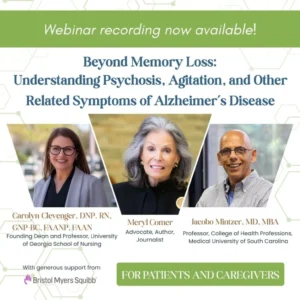



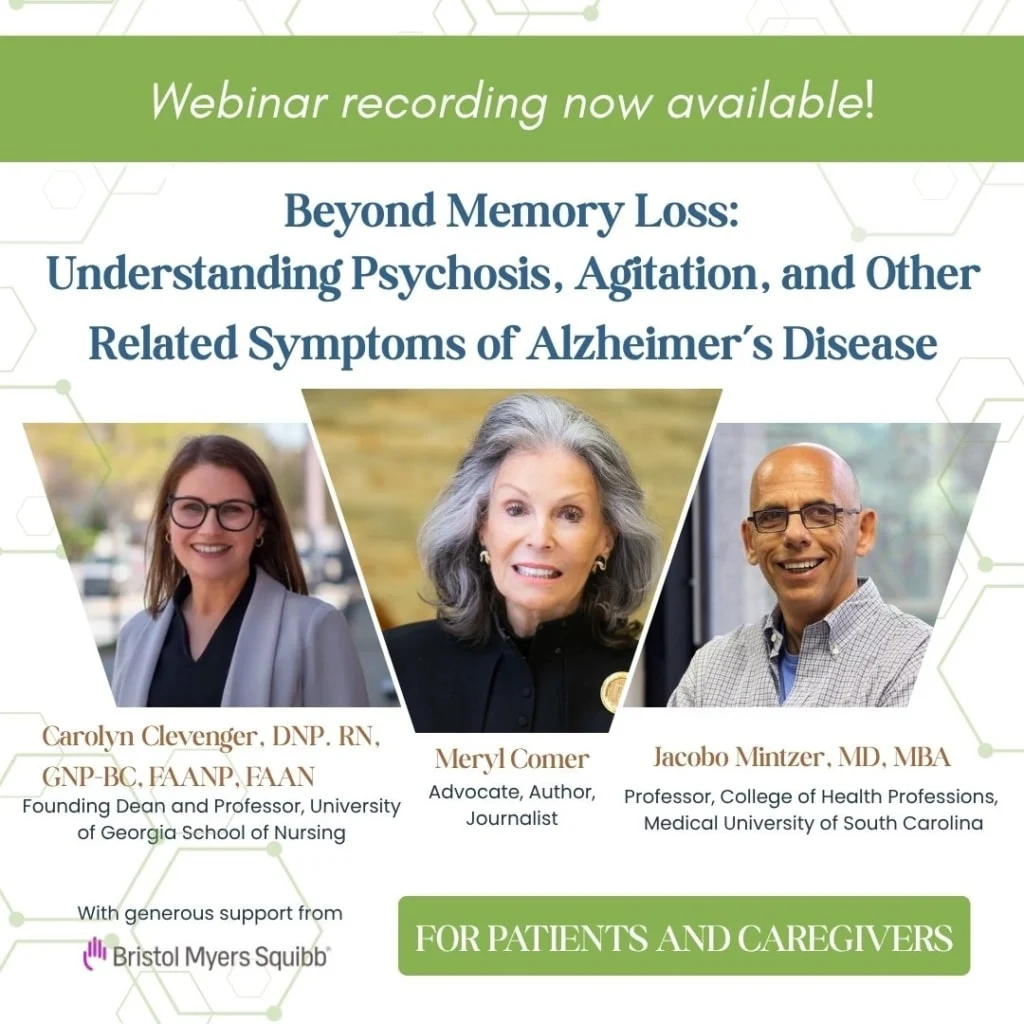
For decades, the public narrative surrounding Alzheimer’s disease has been dominated by the imagery of fading memories and cognitive decline. While memory loss is indeed a hallmark of the condition, it represents only a fraction of the harrowing reality faced by millions of families. A recent landmark webinar hosted by the Alliance, titled Beyond Memory Loss: Understanding Psychosis, Agitation, and Other Symptoms in Alzheimer’s Disease, has cast a much-needed spotlight on the "silent" symptoms of the disease: the neuropsychiatric manifestations that often cause the greatest distress for both patients and their caregivers.
Supported by Bristol Myers Squibb, the initiative underscores a shifting paradigm in geriatric care—one that seeks to move beyond the stigma of behavioral issues and toward a medical understanding of the disease’s full spectrum.
Main Facts: Redefining the Alzheimer’s Experience
Alzheimer’s is fundamentally a disease of the brain, yet its impact extends far beyond the inability to recall names or events. Neuropsychiatric symptoms (NPS) encompass a range of behavioral and psychological manifestations that occur in a significant percentage of patients. These include:
- Psychosis: Delusions and hallucinations that can leave patients frightened or disoriented.
- Agitation and Aggression: Physical or verbal outbursts that are frequently misinterpreted as "bad behavior."
- Apathy: A profound lack of motivation or emotional engagement.
- Sleep Disturbances: Disruptions to the circadian rhythm that exacerbate cognitive decline.
- Wandering: A common behavior that poses severe safety risks.
The central thesis of the Alliance’s recent outreach is that these behaviors are not "willful choices" made by the patient. Rather, they are biological symptoms of a deteriorating brain. By reframing these incidents as medical symptoms rather than personality flaws, caregivers and clinicians can shift from punitive or frustrated responses to evidence-based, compassionate care.
Chronology: The Journey to the Webinar
The initiative to address these symptoms was not a sudden reaction but a three-month-long project aimed at closing the gap between clinical research and practical home care.
- The Planning Phase: Recognizing that caregivers were increasingly overwhelmed by the lack of resources regarding behavioral management, the Alliance began curating a panel of experts capable of bridging the gap between high-level medicine and everyday reality.
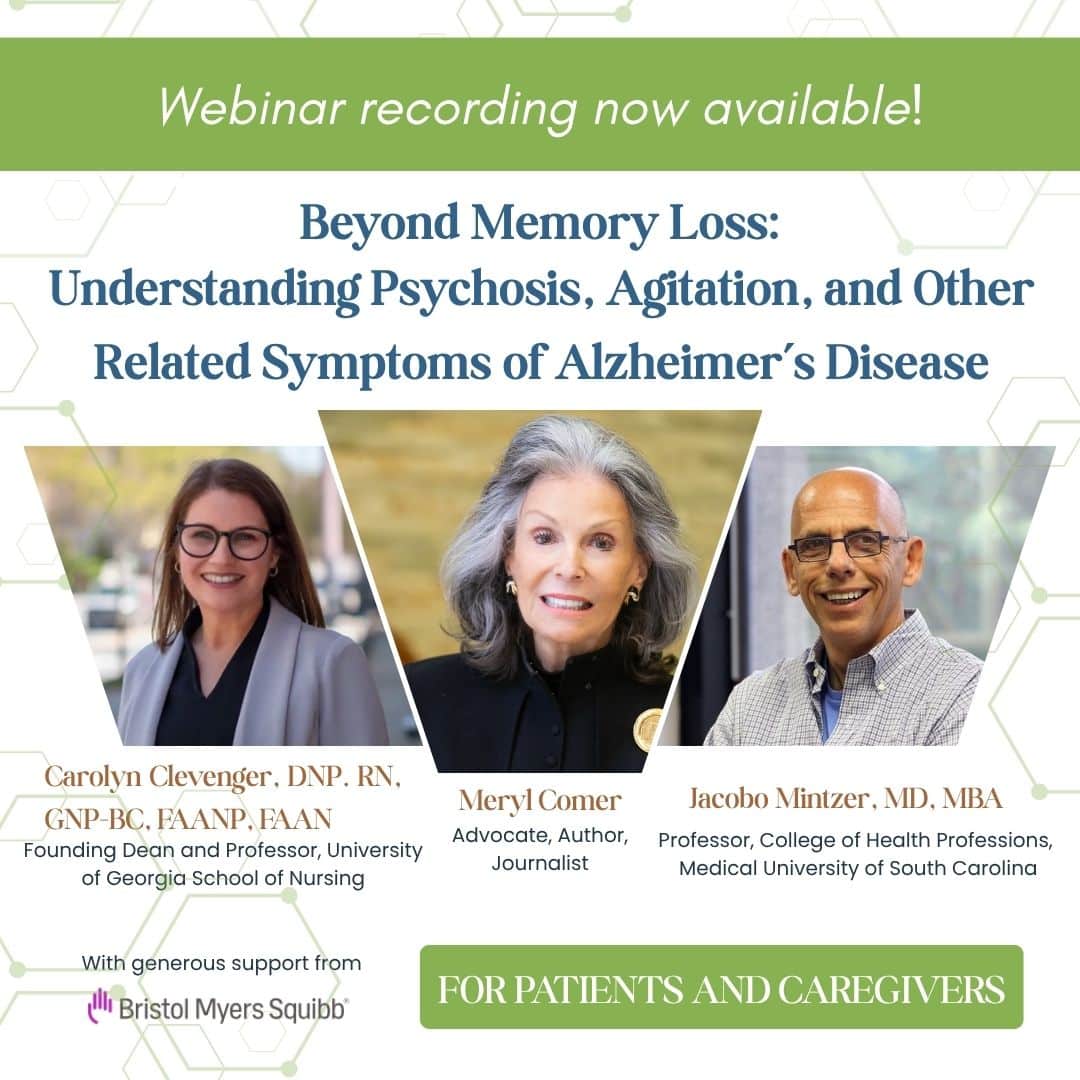
- The Launch: The webinar brought together a distinguished panel, including Meryl Comer, an advocate and author, and clinical experts Dr. Carolyn Clevenger and Dr. Jacobo Mintzer.
- The Reach: The event saw immediate success, attracting over 3,000 live attendees—a testament to the urgent need for information. In the months since, the recording has been accessed nearly 30,000 times, signaling a sustained hunger for guidance on managing the complex emotional and physical toll of caregiving.
- The Aftermath: The flood of emails and messages received by the Alliance in the days following the event confirmed that the material provided was not just educational, but life-affirming for those who felt isolated by their loved ones’ erratic behaviors.
Supporting Data: The Scope of the Challenge
While public awareness campaigns have been successful in highlighting the prevalence of memory loss, the statistical reality of NPS remains under-discussed. Research indicates that up to 90% of individuals with Alzheimer’s or other dementias will experience at least one neuropsychiatric symptom during the course of the disease.
The financial and physical burden on caregivers is staggering. Caregiving for a loved one with significant behavioral symptoms is associated with:
- Higher rates of caregiver depression and anxiety.
- Increased physical health risks for the caregiver due to chronic stress.
- Earlier institutionalization of the patient, as families reach their limits in managing agitation and psychosis at home.
The sheer volume of engagement with the Alliance’s webinar—30,000 views—demonstrates that the current healthcare infrastructure is not adequately supporting the millions of family members who find themselves acting as amateur neurologists, therapists, and security guards for their loved ones.
Official Responses and Expert Insights
The webinar served as a platform for experts to share not just statistics, but actionable strategies. Dr. Carolyn Clevenger and Dr. Jacobo Mintzer focused on the shift in perspective required for effective management.
Moving from Confrontation to Compassion
"These behaviors are symptoms, not choices," Dr. Mintzer emphasized. When a patient begins to wander, the expert consensus is to view it not as "trouble-making," but as a biological "need to move." Similarly, using sensory input—such as playing music that held significance for the patient in their youth—can often mitigate distress more effectively than sedative medication.
The Power of Empathy
Meryl Comer provided a raw, firsthand account of "living inside her husband’s version of reality." Her contribution was critical in validating the experiences of caregivers who feel they are losing their loved ones to a shifting, often terrifying, cognitive landscape. She highlighted the emotional toll of having to adapt one’s own reality to accommodate the delusions or hallucinations of a spouse.
Validation as a Treatment Component
Perhaps the most poignant moment of the event came during the closing remarks. Dr. Clevenger addressed the audience directly, acknowledging that the burden of care is immense and often invisible. Her message—"What you’re doing is hard, and you’re doing it well"—serves as a vital reminder that caregiver mental health is a public health priority.
Implications: The Future of Alzheimer’s Care
The success of this webinar highlights several critical implications for the future of healthcare policy and public support systems.
1. The Need for Diagnostic Transparency
Clinicians must begin explicitly discussing the potential for neuropsychiatric symptoms with families at the time of diagnosis. Too often, families are left to "discover" these symptoms on their own, leading to panic and unnecessary crises. Incorporating NPS education into standard Alzheimer’s counseling can prepare families for the road ahead.
2. Beyond Pharmacological Interventions
While medical treatments exist for some symptoms, the webinar underscored the power of non-pharmacological interventions. Music therapy, environment modification, and communication training are low-cost, high-impact strategies that deserve more funding and promotion within the aging care sector.
3. Caregiver Support as a Medical Necessity
The isolating nature of NPS, particularly psychosis and aggression, means that caregivers often suffer in silence. They are afraid to tell doctors or friends that their loved one has become violent, fearing judgment or a loss of dignity for the patient. The Alliance’s webinar proved that providing a safe, educational space for these conversations can significantly reduce the sense of helplessness felt by millions.
4. Sustaining the Momentum
The Alliance intends to build on this success by continuing to provide high-quality, accessible resources. By transforming the "hidden" symptoms of Alzheimer’s into a topic of open, clinical, and compassionate conversation, we can improve the quality of life for both the patient and the dedicated individuals who care for them.
As the population ages, the prevalence of Alzheimer’s disease will continue to rise. If we are to address this challenge successfully, we must ensure that our healthcare system is equipped to treat the whole person—not just the memory, but the behaviors, the emotions, and the families navigating the storm.
For those seeking guidance or wishing to view the educational resources provided during the event, the full recording of "Beyond Memory Loss: Understanding Psychosis, Agitation, and Other Symptoms in Alzheimer’s Disease" is available for public access. As we continue to advocate for better policy and more comprehensive care, we invite you to engage with the Alliance’s ongoing series on geriatric health.
Katrin Werner-Perez
Director of Health Programs, The Alliance