







As the calendar turns toward the end of the year, the transition into autumn brings a distinct shift in the environment. For older adults, this change is more than just a seasonal aesthetic; it is a period that requires heightened awareness and proactive adjustments to daily routines. While the crisp air and vibrant foliage are welcomed changes from the sweltering heat of summer, the shortening days and cooling temperatures introduce specific physiological and environmental risks that necessitate careful navigation.
According to Katie Riley, Vice President of Communications for the Alliance for Aging Research, the season requires a strategic approach to maintaining independence and health. "While Daylight Savings Time doesn’t officially end until early November, the environment is already changing," Riley notes. "Reduced visibility, shifting weather patterns, and the disruption of long-standing routines can contribute to an increased risk of falls, vision challenges, and emotional isolation."
The Physiological and Environmental Context
Understanding the Impact of Diminished Daylight
The human body relies heavily on natural light to regulate circadian rhythms. As the earth tilts further from the sun, the rapid onset of twilight creates a "grey zone" of visibility. For older adults, this transition is compounded by the natural aging process of the eye. Over time, the lens becomes less transparent and the pupil smaller, which reduces the amount of light reaching the retina.
Research indicates that by age 60, the average person requires three times as much light to perform tasks as they did at age 20. When combined with increased sensitivity to glare and reduced contrast sensitivity, the risks of navigating environments—whether walking to a mailbox or driving to an appointment—become significantly higher as the sun dips below the horizon.
The Thermal Challenge
Aging also alters the body’s thermoregulation. The subcutaneous fat layer, which acts as a natural insulator, often thins, and the metabolic rate may slow, making it harder for older individuals to generate and retain body heat. When temperatures fluctuate between a warm, sunny afternoon and a freezing, damp evening, the body is forced to work harder to maintain homeostasis, potentially exacerbating chronic health conditions such as cardiovascular disease or arthritis.
Strategic Safety Protocols: A Chronological Approach to Daily Living
To mitigate these risks, experts recommend a structured approach to daily activities, effectively "front-loading" the day to align with natural light availability.
Morning and Midday: Maximizing Productive Hours
The most effective safety strategy is to prioritize essential errands, exercise, and social engagements during the hours when sunlight is at its peak.
- Exercise Optimization: Rather than engaging in an evening walk, shift physical activity to the morning or early afternoon. This ensures that if a fall were to occur, visibility for potential assistance is higher, and the ground surface is more easily inspected for hazards.
- Maintenance of Pathways: Daylight hours should be used to inspect walkways, driveways, and entryways. Removing fallen leaves is critical; while aesthetically pleasing, damp leaves are notoriously slippery, and dry leaves can obscure deep cracks or uneven pavement, creating hidden trip hazards.
The "Golden Hour" of Evening Preparation
As the sun begins to set, the transition period requires a mental and physical pivot. This is the time to ensure the home environment is fortified against the darkness.
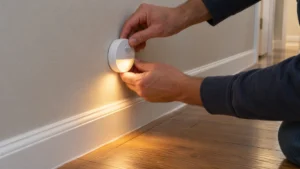
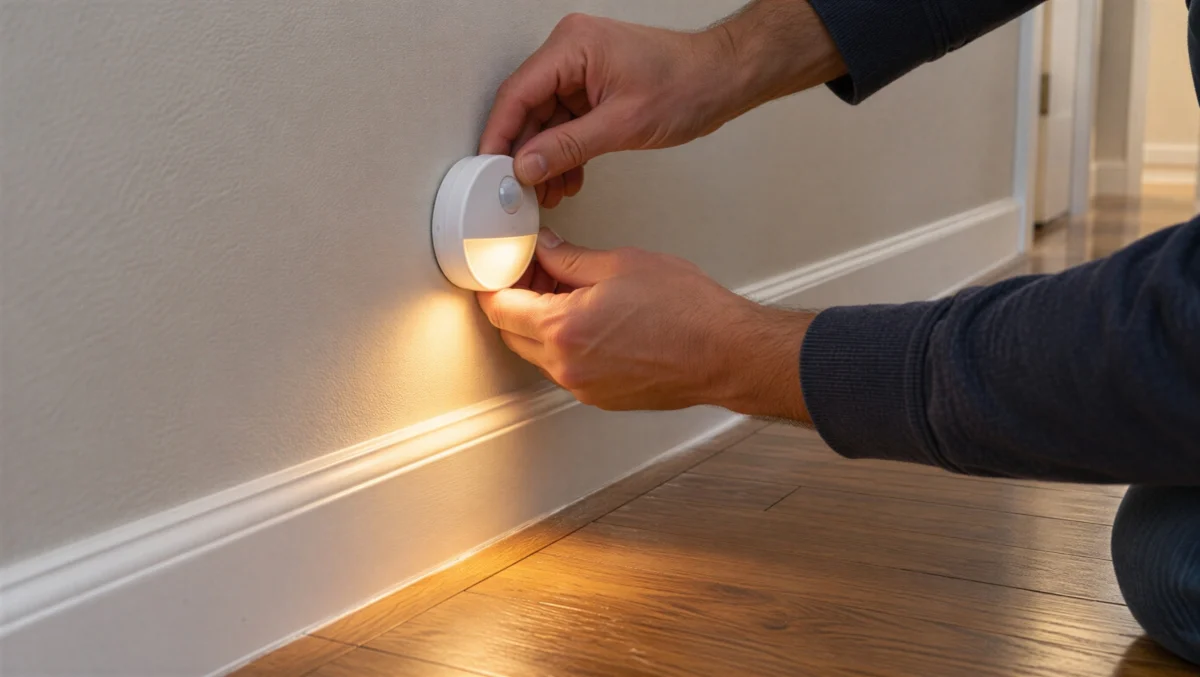
- Illuminating High-Traffic Zones: The goal is to eliminate shadows and dark pockets within the home. Motion-activated lighting is a highly recommended solution for hallways, bathrooms, and entryways. These sensors provide an immediate boost in visibility without the need for the individual to fumble for a wall switch in the dark.
- Exterior Enhancements: Solar-powered path lights are an affordable and effective way to delineate walkways. Beyond personal safety, these lights provide a clear, safe path for delivery personnel and emergency responders, reducing the likelihood of accidents on the property.
Nighttime: Minimizing Mobility and Driving
Driving after dark is perhaps the most significant risk factor during the autumn and winter months. The combination of delayed glare recovery (the time it takes for eyes to adjust after looking at headlights) and depth perception issues makes nighttime driving particularly hazardous.
- The "Daytime-Only" Driving Rule: Whenever possible, schedule medical appointments, grocery runs, and social visits for the morning or early afternoon.
- Vehicle Preparedness: For necessary nighttime travel, ensure that the vehicle is optimized for safety. This includes cleaning windshields—inside and out—to reduce light scatter, and ensuring that wiper fluid is topped off to clear debris or road salt.
Supporting Data: Falls and Public Health Implications
The risk of falls among the elderly is not merely a seasonal concern, but a year-round public health crisis that intensifies during the autumn months. According to data from the Centers for Disease Control and Prevention (CDC), falls are the leading cause of injury-related deaths among adults aged 65 and older.
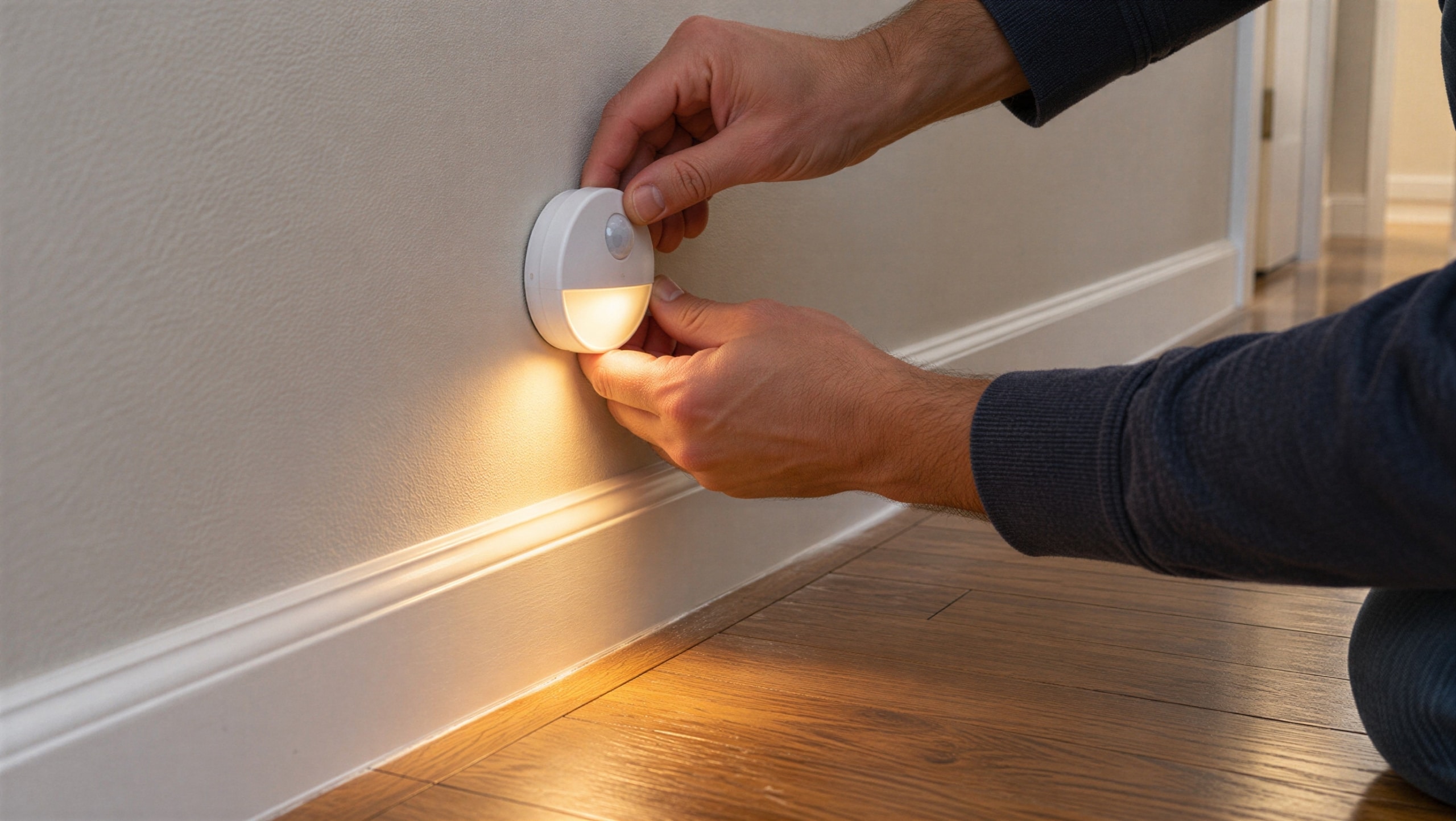
The correlation between lighting and fall prevention is supported by architectural and medical research. Studies published in journals of gerontology consistently show that improving lighting levels in residential settings can reduce fall rates by up to 20% to 30%. The addition of contrast-enhancing elements—such as marking the edge of stairs with high-visibility tape or using nightlights—serves as a vital environmental intervention.
Furthermore, the "triad of risks"—visual impairment, medication side effects (such as dizziness or drowsiness), and environmental hazards—converges during the autumn. As people begin to use space heaters and extra blankets, the risk of fire and indoor air quality issues also increases, requiring a holistic check of smoke detectors and heating systems.
Addressing the Psychological Aspect: Loneliness and SAD
Beyond physical safety, the shorter, colder days pose a significant threat to mental health. Seasonal Affective Disorder (SAD) is not limited to younger populations; it is a profound reality for older adults, particularly those who live alone or have limited mobility.
The Role of Caregivers and Community
The "social prescription" is as important as the physical one. Caregivers, family members, and neighbors play a crucial role in preventing the "shut-in" effect.
- Routine Check-ins: A simple phone call during the late afternoon—a time when many feel the onset of loneliness—can provide a necessary social anchor.
- The Power of Connection: If an older relative is reluctant to drive in the dark, offer a ride to a dinner or event. The act of providing transportation is a twofold intervention: it keeps the individual safe from the risks of night driving while simultaneously ensuring they remain socially engaged.
Implications for Future Care and Policy
The Alliance for Aging Research emphasizes that the goal is not to induce fear, but to encourage "proactive aging." As the population of older adults continues to grow globally, the implications for public health are clear: urban planning and home design must prioritize age-friendly features.
Home Modification as Healthcare
Legislators and health organizations are increasingly pushing for home modification programs. By treating the home as a component of the healthcare system—where adequate lighting, sturdy handrails, and clear, clutter-free floors are viewed as "preventative medicine"—we can significantly reduce the burden on emergency rooms during the winter months.
A Call to Vigilance
As we move through the remainder of the year, the combination of environmental awareness and social responsibility remains our best defense. For the individual, this means taking the time to inspect a walkway or adjust a schedule. For the community, it means keeping an eye on neighbors who may be struggling with the transition.
"Safety is a collaborative effort," concludes Riley. "By taking these small, manageable steps—from clearing leaves to installing motion sensors and checking in on our neighbors—we can ensure that the autumn and winter seasons remain a time of comfort and connection rather than one of isolation or injury."
Ultimately, the goal is to foster an environment where older adults can enjoy the crisp, beautiful changes of the season with confidence, ensuring their independence is protected by the very precautions they take today.