






As the global community grapples with the dual challenges of food insecurity and chronic diet-related diseases, the conversation surrounding nutrition has shifted from individual choice to systemic reform. The year 2022 marked a significant turning point in this discourse, underscored by the landmark White House Conference on Hunger, Nutrition, and Health. As we move further into this decade, the integration of science-based nutrition into public policy has become a non-negotiable pillar of national health.
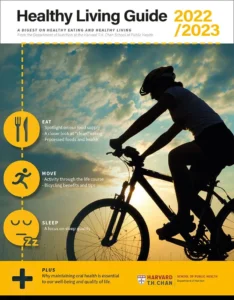
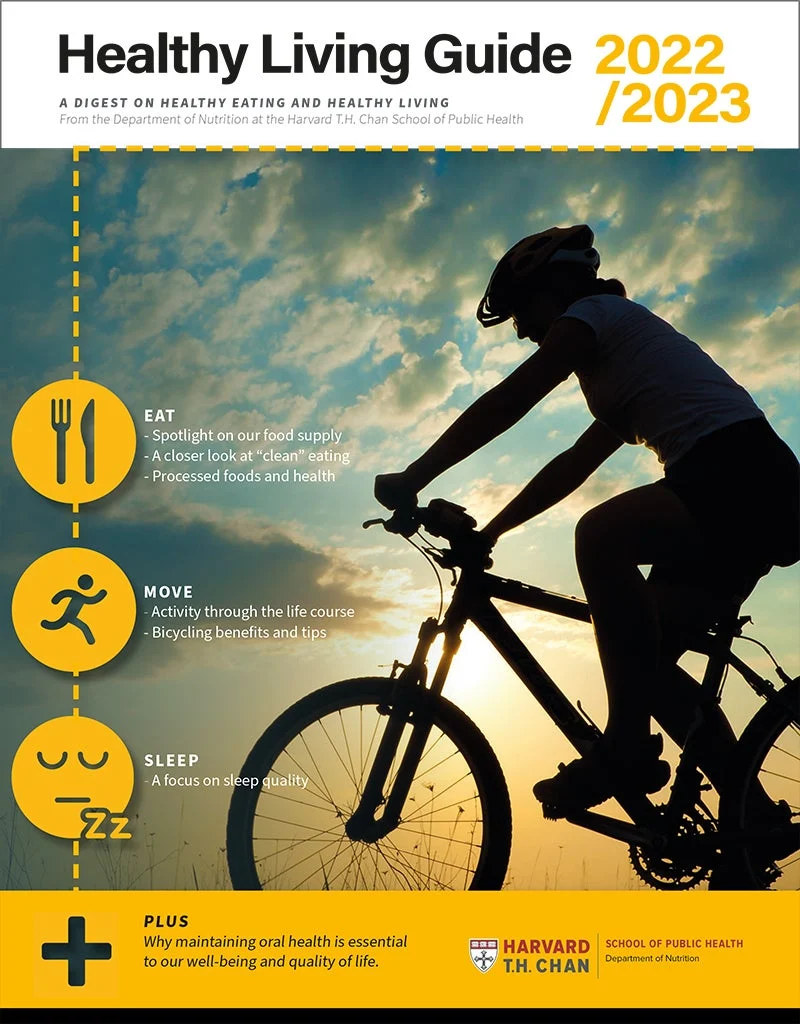
In response to these shifting priorities, the Harvard T.H. Chan School of Public Health has released its latest Healthy Living Guide, a comprehensive resource designed to bridge the gap between complex nutritional science and actionable, everyday lifestyle habits.
Main Facts: The Intersection of Policy and Personal Wellness
At the heart of the current nutritional landscape lies a fundamental tension: while scientific understanding of what constitutes a healthy diet has never been clearer, the structural barriers to accessing such a diet remain formidable for millions. The White House Conference, the first of its kind since 1969, sought to reconcile this by setting a national goal to end hunger and reduce diet-related diseases by 2030.
The primary objective of the new national strategy is multifaceted. It proposes expanding nutrition assistance programs, such as SNAP, and integrating medically tailored meals into Medicare coverage. These initiatives represent a shift toward viewing nutrition as a form of "preventative medicine." However, as experts at the Harvard Department of Nutrition—including Drs. Frank Hu, Walter Willett, and Lilian Cheung—have pointed out, policy alone is not a panacea.
The Healthy Living Guide serves as a practical manual for individuals to take ownership of their health in an environment where, often, the easiest choice is not the healthiest one. By focusing on sustainable behaviors, the guide aims to empower readers to make incremental changes that yield significant long-term health outcomes.
Chronology: A Half-Century of Nutritional Advocacy
To understand the weight of the current moment, one must look at the historical trajectory of U.S. nutrition policy.
- 1969: The original White House Conference on Food, Nutrition, and Health. This historic summit catalyzed the creation of programs like the Special Supplemental Nutrition Program for Women, Infants, and Children (WIC) and established the foundational guidelines for school lunch programs.
- 1970s–2010s: A period marked by the rise of ultra-processed foods, the obesity epidemic, and a growing disconnect between agricultural policy and public health outcomes.
- 2022: The Biden-Harris administration convened a new national conference. This event was designed to address the "new" challenges of the 21st century: food deserts, the environmental impact of industrial agriculture, and the need for personalized nutrition.
- January 2023: The release of the Healthy Living Guide by Harvard’s Department of Nutrition, providing a roadmap for citizens to navigate the findings of the 2022 conference and apply them to their own lives.
Supporting Data: The Case for Systemic Change
The data underpinning the push for a new nutrition strategy is stark. According to federal health data, over 40% of the U.S. population is considered obese, and diet-related illnesses—including type 2 diabetes, heart disease, and certain cancers—are among the leading causes of death and disability in the country.
The Economic Burden
The economic cost of these diseases is staggering, totaling hundreds of billions of dollars in annual healthcare expenditures and lost productivity. The 2022 strategy argues that investing in food-as-medicine programs is not merely a social service, but a fiscal necessity that could save the healthcare system significant capital over the next decade.
Environmental Considerations
The Healthy Living Guide also highlights the inextricable link between human health and planetary health. Industrial food systems currently contribute significantly to greenhouse gas emissions. Transitioning toward a plant-forward, sustainable food system is not just about personal longevity; it is about ensuring that the planet remains capable of sustaining the global population. As Drs. Hu, Willett, and Cheung emphasize, a sustainable food system is the only way to safeguard the nutritional security of future generations.
Official Responses and Expert Critique
While the administration’s plan has been widely lauded as a vital step forward, it has not been immune to criticism from the scientific community. The Harvard Department of Nutrition has issued a balanced response, acknowledging the progress made while highlighting critical "missing pieces."
Key Omissions
Experts have identified two glaring gaps in the current national strategy:
- Food Marketing to Children: There is a consensus among researchers that current regulations regarding the marketing of high-sugar, low-nutrient foods to children are insufficient. Without stricter oversight, the strategy struggles to address the root causes of childhood obesity.
- Climate Change Integration: While the plan addresses nutrition, it lacks a robust framework for transforming the food system to be climate-resilient. The experts argue that public health policies must be synchronized with environmental policies to achieve a truly holistic impact.
"To have a significant impact, the administration must bring together the public and private sectors, along with philanthropists, academia, and individuals," wrote the Harvard experts. This call to action suggests that the government cannot act in a silo; it requires a collective commitment from every level of society.
Implications: The Path Toward 2030
The path to 2030 is paved with both policy milestones and individual choices. The implications of the current movement are twofold.
For Policymakers
The challenge lies in moving beyond rhetoric. Policy must address food access in "food deserts," incentivize the production of fruits and vegetables over commodity crops, and ensure that federal nutrition programs are funded at levels that reflect modern inflation and nutritional needs.
For the Individual
The implication for the individual is a shift in mindset. As the Healthy Living Guide suggests, "no change is too small." Whether it is replacing a processed snack with a piece of fruit, increasing daily physical activity, or advocating for local food policy, the individual remains the primary agent of change.
The guide provides a structured approach to these changes, featuring:
- Printable Tip Sheets: Designed to be placed in kitchens and workspaces as a constant reminder of health goals.
- Scientific Summaries: Distilling complex research into digestible information regarding macronutrients, inflammation, and gut health.
- Knowledge Assessments: Interactive tests that encourage readers to reflect on their habits and challenge common nutritional myths.
Conclusion: A Holistic Vision for the Future
As we look toward the 2030 goal set by the White House, the synergy between high-level policy and individual action becomes paramount. The Healthy Living Guide is more than just a document; it is a manifestation of the belief that health is a human right, sustained by accessible, nutritious food and an environment that supports well-being.
The experts at Harvard remind us that while the journey is long and the systemic challenges are deeply entrenched, the momentum is undeniably moving in the right direction. By synthesizing the best available science with a commitment to planetary and public health, we can foster a society where "healthy living" is not a privilege, but the standard.
For those looking to start their journey, the Healthy Living Guide offers the tools necessary to make informed, science-backed decisions. By downloading these resources, individuals are not just improving their own health—they are participating in a larger movement toward a more sustainable, equitable, and healthy future for all.
How to Get Involved
- Download the Guide: Access the Healthy Living Guide (PDF) to begin tracking your progress.
- Stay Informed: Regularly check the Harvard Nutrition Source for updates on the latest findings regarding food policy and nutritional science.
- Test Your Knowledge: Revisit the 2021-2022 edition to see how much you have learned and where your nutritional literacy stands.
The future of public health is written on our plates. By choosing wisely and advocating for better systems, we can turn the tide on the current health crisis and build a legacy of vitality for the generations to follow.