










For decades, the discourse surrounding athletic performance has been dominated by the physical: muscle fiber micro-tears, lactic acid accumulation, cardiovascular capacity, and glycogen depletion. Athletes and fitness enthusiasts are conditioned to view "recovery" primarily through the lens of physical repair—icing joints, foam rolling, or consuming protein to facilitate muscle hypertrophy. However, a groundbreaking study recently published in the journal Neuroscience suggests that the most critical aspect of recovery may not be physical at all, but neurological.
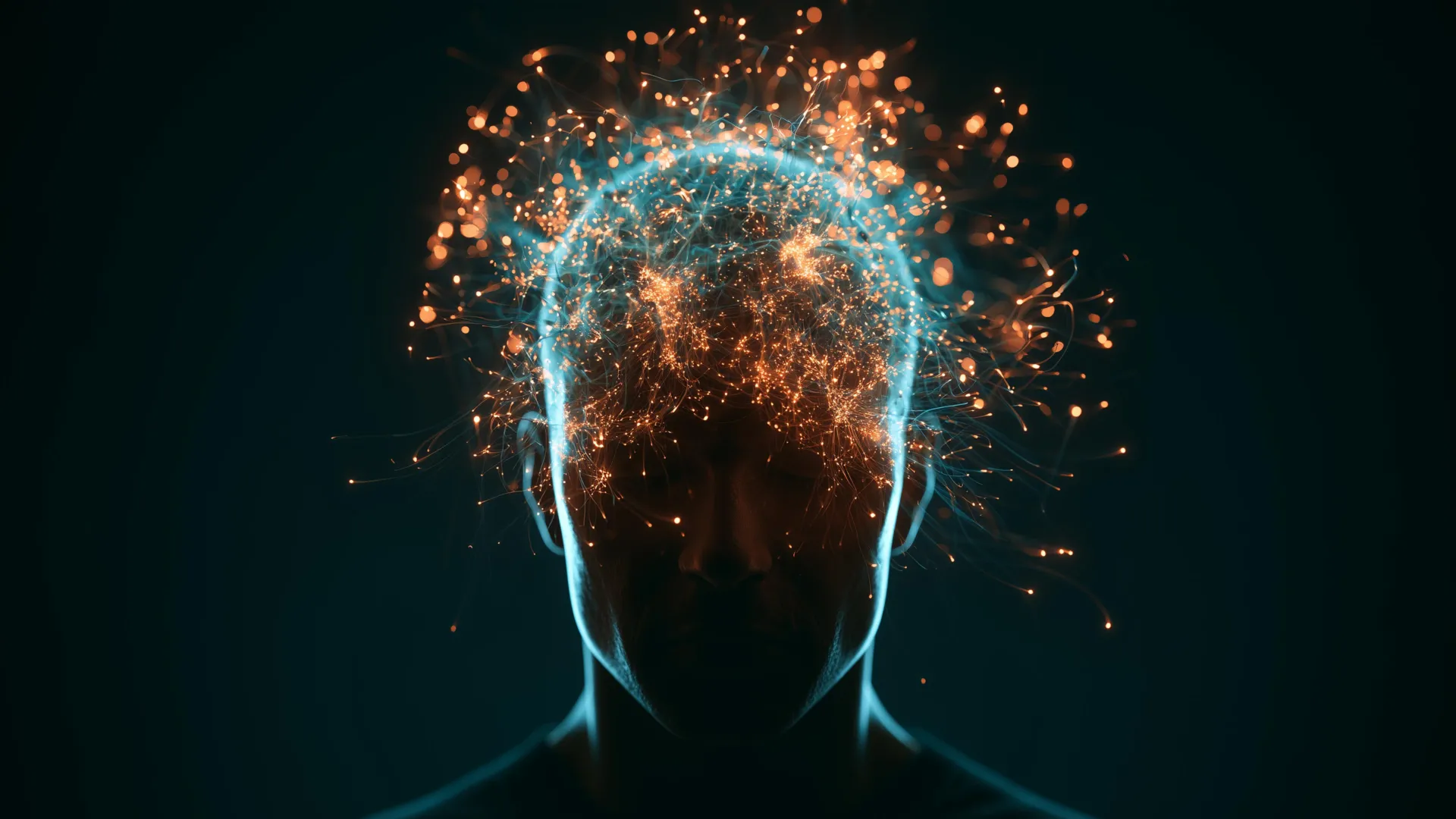
New research conducted by scientists at the University of São Paulo (USP) indicates that excessive, high-intensity exercise without adequate downtime can trigger a cascade of chemical imbalances in the brain. Specifically, the study highlights how overtraining disrupts dopamine regulation in the hippocampus, a brain region central to memory, spatial navigation, and emotional stability. These findings provide a compelling neurobiological basis for the "overtraining syndrome" that has long plagued elite athletes, potentially explaining why physical burnout is so frequently accompanied by psychological symptoms like anxiety, insomnia, and persistent, unshakeable fatigue.
The Biological Toll: Understanding Overtraining Syndrome
To understand the severity of these findings, one must first define "overtraining syndrome" (OTS). Unlike the temporary soreness that follows a strenuous workout, OTS is a chronic state of physiological and psychological decline. It occurs when the cumulative demands of training exceed the body’s—and now, it seems, the brain’s—capacity to recover.
The symptoms of OTS are notoriously difficult to treat because they are systemic. They include a plateau or decline in athletic performance, a suppressed immune system, hormonal imbalances, metabolic disruption, and a pervasive sense of lethargy. For the professional athlete, this can be career-ending; for the recreational enthusiast, it often leads to a cycle of injury and disillusionment.
The research team, led by Alisson Luiz da Rocha, set out to determine whether the brain’s neurochemistry plays a more active role in this syndrome than previously recognized. By shifting the focus from peripheral muscle tissue to the central nervous system (CNS), the study opens a new frontier in sports science, suggesting that our "internal thermostat" for rest and activity is governed by neurotransmitter regulation that exercise—if pushed to the extreme—can dangerously destabilize.
Chronology of the Experiment: Simulating Elite Exhaustion
To investigate these neurological impacts, the research team designed a controlled study using mice, categorized into groups based on their exposure to varying physical intensities.
Phase I: Acute Exertion
The first group was subjected to a single, high-intensity treadmill session, pushed until they reached the point of physical exhaustion. This was intended to observe the "acute" response—the immediate chemical spike that occurs after a single bout of extreme effort.
Phase II: The Overtraining Protocol
The second group underwent an exhaustive eight-week training program specifically calibrated to simulate the physiological stress of elite-level overtraining. The intensity was increased incrementally, week by week. By the eighth and final week, the mice were performing two strenuous treadmill sessions per day, separated by only four hours of recovery time. This "high-frequency, low-rest" model was designed to mirror the conditions where the body loses its ability to homeostatically return to a baseline state.
Phase III: The Neurochemical Analysis
Following the training periods, the researchers performed a detailed post-mortem analysis of the mice’s hippocampi. They focused on two key markers: dopamine, the neurotransmitter of motivation and wakefulness, and serotonin, which is often associated with mood regulation and fatigue. They also examined specific proteins involved in the production and transport of these chemicals, namely tyrosine hydroxylase (TyrH) and vesicular monoamine transporter 2 (VMAT2).
Supporting Data: The Persistence of Dopamine Elevation
The results were as striking as they were concerning. In the mice that underwent only a single bout of exercise, dopamine levels spiked, confirming that the brain reacts to acute physical stress. However, in the "overtraining" group, the results revealed a chronic dysfunction.
Forty-eight hours after the final training session, the researchers expected to see dopamine levels return to baseline, reflecting a state of rest and recovery. Instead, they found that dopamine levels—and the enzymes responsible for its production, such as TyrH—remained significantly elevated.
This finding suggests that the brain’s "off switch" for dopamine had been compromised. Rather than returning to a resting state, the brain remained in a state of high chemical arousal. This is a critical finding: it suggests that overtraining keeps the brain "switched on" long after the physical training has ceased.
Furthermore, the study yielded a surprising null result regarding serotonin. Despite the popular theory that serotonin is the primary driver of exercise-induced fatigue, the researchers observed no significant changes in its levels within the hippocampi of the overtrained mice. This shifts the current scientific consensus: it appears that dopamine, not serotonin, is the primary neurotransmitter involved in the neurological complications of overtraining.
Official Perspectives: Implications for the Future of Athletics
Alisson Luiz da Rocha, the study’s first author, emphasizes the gravity of these findings. "Our findings show that excessive physical exercise affects not only skeletal muscle but also has a pronounced impact on the brain," Rocha noted. "It demonstrates how exercise influences the central nervous system, with effects extending well beyond muscle development."
The research, which was supported by the São Paulo Research Foundation (FAPESP) and conducted across the Ribeirão Preto School of Physical Education and Sports (EEFERP-USP) and the State University of Campinas (UNICAMP), underscores that the brain is not a passive passenger in the training process.
Adelino Sanchez Ramos da Silva, a professor at EEFERP-USP who coordinated the study, explains that this is a vital link to the human experience. "Finding comparable changes in humans could help researchers better understand the possible connections between overtraining, brain chemistry, and sleep disturbances." If, as this study suggests, the brain cannot lower its dopamine levels following intense training, it is easy to see why athletes suffering from overtraining syndrome report racing thoughts, insomnia, and an inability to settle, even when they are physically shattered.
Clinical Implications: The Necessity of Mindful Recovery
While the researchers caution that the study did not measure behavioral outcomes like sleep quality or anxiety levels directly—and that human clinical trials are the next logical step—the implications for athletes are immediate.
The Balance of Motivation and Rest
Dopamine is essential for human function; it is the chemical of drive, focus, and reward. However, the brain relies on a delicate oscillation between high-dopamine states (activity) and low-dopamine states (rest/sleep). If the brain is forced into a state of "chronic motivation" through overtraining, it cannot effectively transition into the parasympathetic state required for cellular repair and mental restoration.
Challenging the "No Pain, No Gain" Paradigm
The "no pain, no gain" mentality has long been a hallmark of high-performance culture. However, this study provides a scientific rationale for moving toward a "training for longevity" model. If the brain is chemically stressed, the physical benefits of the training—such as improved VO2 max or muscle growth—are undermined.
Looking Toward Future Research
The team is currently participating in an international research initiative aimed at identifying the "biological tipping point"—the exact moment when exercise transitions from a stimulus for adaptation to a source of systemic damage. By identifying these early warning signs, coaches and medical professionals may eventually be able to use blood markers or neurological monitoring to detect overtraining before it causes long-term damage.
For now, the message from the lab is clear: recovery is not a luxury or a sign of weakness; it is a fundamental biological requirement for both the muscle and the mind. Athletes at all levels must prioritize adequate rest cycles to ensure that the chemical messengers in their brains—those that regulate mood, focus, and sleep—remain in balance. In the pursuit of physical excellence, neglecting the brain’s need for silence may be the surest way to bring progress to a grinding halt.