




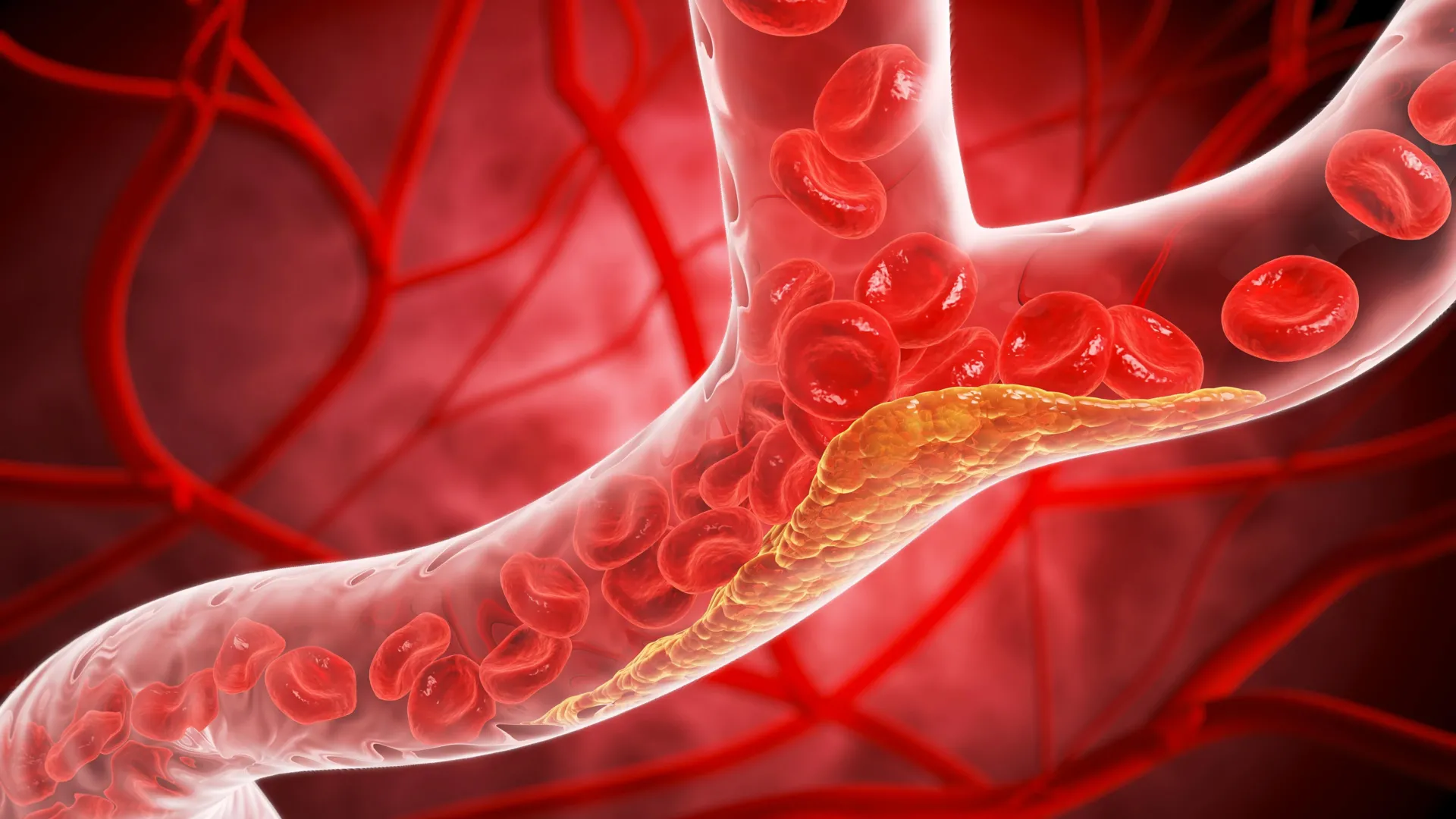
Heart disease remains the preeminent global health crisis of the 21st century, claiming millions of lives annually. At the heart of this epidemic is the persistent challenge of hypercholesterolemia—high levels of low-density lipoprotein (LDL) cholesterol that silently accumulate in the arterial walls, forming plaques that lead to heart attacks and strokes. While medical science has made monumental strides in pharmaceutical intervention—most notably through the widespread adoption of statins and the more recent introduction of PCSK9 inhibitors—a significant portion of the population remains underserved. For many, current medications are either insufficient to reach safe lipid thresholds or are marred by debilitating side effects that preclude long-term adherence.
Now, a groundbreaking study from the University of California San Diego (UCSD) School of Medicine, published in the journal Nature, has uncovered a previously hidden biological mechanism that explains why diets rich in cholesterol actively impair the body’s natural ability to clear lipids from the bloodstream. This discovery not only provides a long-sought explanation for a metabolic failure but also identifies an experimental compound that could potentially revolutionize treatment for those who have exhausted existing options.
The Biological Puzzle: How the Liver Fails
To understand the significance of the UCSD findings, one must first understand the liver’s role as the body’s metabolic filtration system. In a healthy state, the liver acts as a critical clearinghouse for LDL cholesterol. It utilizes specialized structures known as LDL receptors (LDLRs), which are embedded on the surface of liver cells like docking stations. These receptors scan the blood, bind to circulating LDL cholesterol, and internalize it, where the liver subsequently breaks it down and processes it for bodily use.
The efficiency of this system is directly proportional to the density of these docking stations on the liver cell membranes. Current cholesterol-lowering drugs, such as statins, function by upregulating the production or stabilizing the presence of these receptors. However, clinical experience has shown that in many patients, this biological "pump" is essentially compromised by external factors—most notably, dietary intake.
For years, researchers have observed that diets high in cholesterol lead to a diminished capacity for the liver to clear LDL, but the precise cellular mechanism behind this decline remained elusive. The UCSD research team, led by Dr. Alan Saltiel, has finally mapped this degradation process, identifying a chain reaction that physically strips the liver of its cholesterol-clearing receptors.
Chronology of Discovery: From Fat Cells to Heart Health
The discovery did not emerge overnight; it was the result of a multi-year investigation that initially focused on the behavior of proteins in fat cells.
The Ral Protein Connection
The narrative of this breakthrough begins with the Ral protein. Dr. Saltiel, a professor of medicine and director of the UC San Diego/UCLA Diabetes Research Center, had previously studied the role of Ral in adipocytes (fat cells). In their recent work, the team discovered that high-cholesterol diets trigger a signaling cascade that activates Ral. Once activated, this protein initiates a destructive sequence that leads to the systematic loss of LDL receptors on liver cells. As Ral activity surges, the liver’s "docking stations" disappear, causing cholesterol levels to spike in the bloodstream.
Identifying the CTSA Enzyme
The team’s investigation went further to identify the specific accomplice in this process: an enzyme known as cathepsin A (CTSA). The researchers determined that CTSA acts as a driving force behind the depletion of LDL receptors. When the team employed a small molecule inhibitor to block the activity of this enzyme in laboratory models, the results were transformative. The LDL receptors were no longer degraded; they became stable, and the mice in the study experienced a dramatic and rapid drop in circulating LDL cholesterol.
Implications for Modern Cardiology
The distinction of this discovery lies in its novelty. The pathway involving Ral and CTSA is entirely independent of the biological targets currently addressed by statins, ezetimibe, or PCSK9 inhibitors.
Filling the "Treatment Gap"
In clinical cardiology, there exists a cohort of patients often referred to as "statin-intolerant" or those with "refractory hypercholesterolemia." These are individuals who, despite maximum-tolerated doses of traditional therapy, cannot achieve the low LDL targets recommended by the American Heart Association.
"There’s still a real need for new cholesterol-lowering options," Dr. Saltiel noted. "This new pathway we discovered is completely separate from anything that existing drugs target, so it gives us a new opportunity to fill that gap."
By targeting a pathway that essentially "turns off" the liver’s clearance mechanism, scientists may be able to restore the body’s innate ability to process cholesterol rather than simply blocking the production of cholesterol itself.
A Strategic Advantage: The "Off-the-Shelf" Drug Candidate
One of the most remarkable aspects of this research is the potential for accelerated clinical translation. Drug discovery is historically a decade-long slog, involving years of chemical optimization and safety testing. However, the researchers discovered that a CTSA inhibitor already exists.
Originally developed by a pharmaceutical firm as a candidate for treating heart failure, the compound was eventually shelved for strategic business reasons. Crucially, however, the drug had already completed Phase 1 clinical trials. During this initial testing, it was proven to be safe for human consumption.
Because the drug has already cleared the primary hurdle of human safety, the timeline for bringing it to patients could be compressed. Instead of starting from scratch, researchers are now positioned to potentially move directly into Phase 2 trials to evaluate the drug’s efficacy specifically in cholesterol management. This "drug repurposing" strategy represents one of the most efficient pathways in modern translational medicine, potentially saving years of research and millions of dollars in development costs.
Official Perspectives and Future Research
The study, a collaborative effort involving experts from UC San Diego, UC San Francisco, the University of Texas Health Science Center, and the University of Utah, underscores the importance of interdisciplinary research in metabolic disease.
While the scientific community is optimistic, researchers urge a measured approach. The drug has not yet been demonstrated to lower cholesterol in human patients; the efficacy data remains confined to mice and cell cultures. The next step is a rigorous clinical trial that will measure whether the inhibition of CTSA in humans results in the same, sustained reduction in LDL cholesterol that was observed in the laboratory.
Research Funding and Support
The complexity of this project required significant institutional and federal support. The research was funded, in part, by multiple grants from the National Institutes of Health (NIH), specifically those focusing on the intersection of diabetes and metabolic health, as well as an American Diabetes Association postdoctoral fellowship. This funding highlights the growing recognition that cholesterol regulation, fat metabolism, and insulin sensitivity are deeply intertwined facets of a single metabolic system.
Conclusion: A New Era of Lipid Management
As the medical community continues to grapple with the global burden of heart disease, the identification of the Ral-CTSA pathway offers a beacon of hope. By addressing the liver’s "hidden" defect—the systematic degradation of its own cholesterol-clearing receptors—this research points toward a future where treatment-resistant hypercholesterolemia may finally become a manageable condition for all patients.
The transition of the CTSA inhibitor from a "shelved" heart failure project to a potential cornerstone of lipid-lowering therapy serves as a poignant reminder of the value of basic science. By deciphering the fundamental biological pathways that govern our health, scientists are not only solving the mysteries of the human body but also uncovering the keys to treatments that were once thought to be years or even decades away. If upcoming clinical trials confirm these findings, the medical world may soon have a powerful new tool in the fight against the leading cause of death worldwide.