






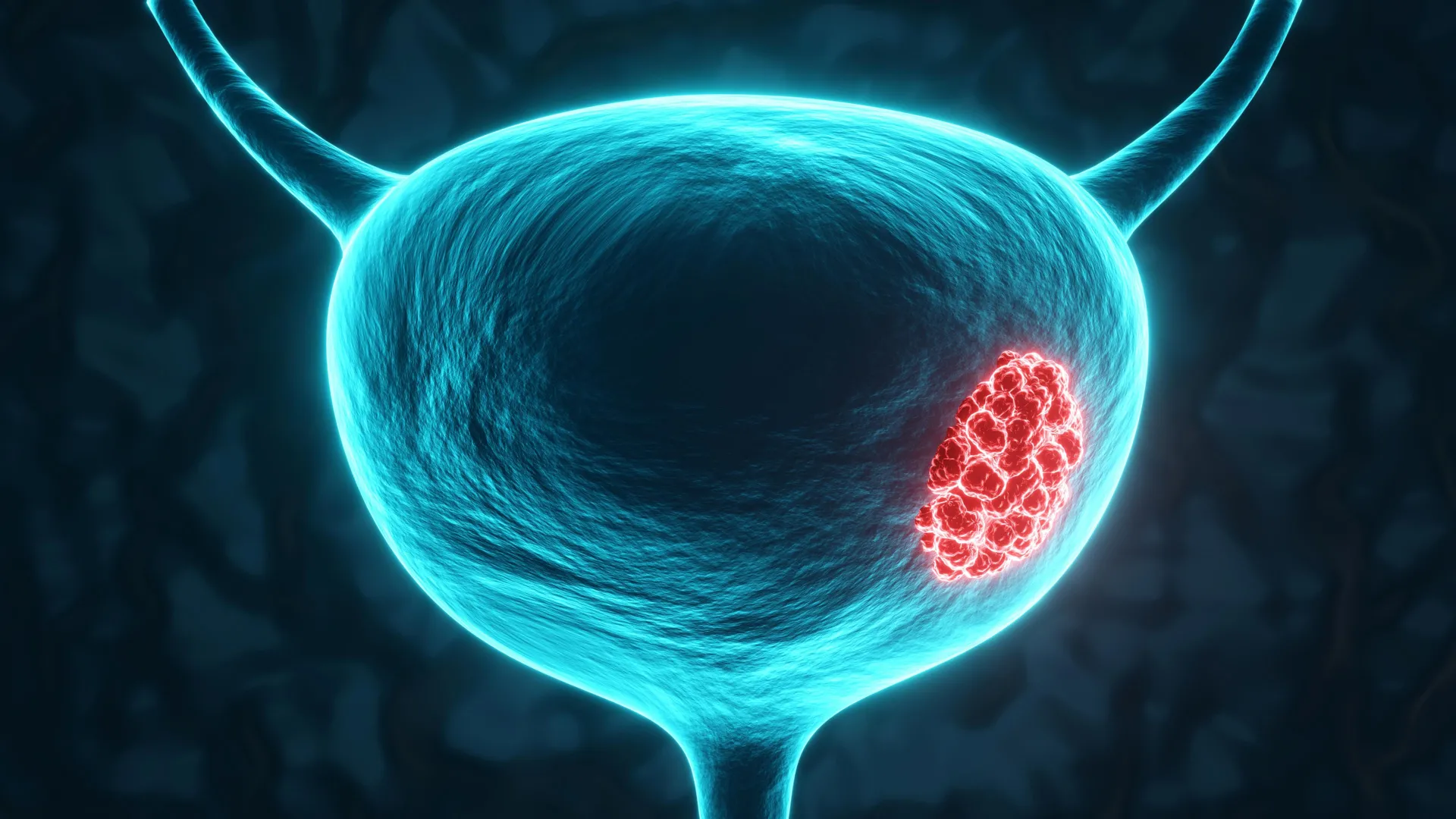
Bladder cancer stands as a formidable global health challenge, claiming approximately 220,000 lives annually. As the ninth most common cancer worldwide—with over 614,000 new diagnoses recorded in 2022 alone—its prevalence is matched only by the difficulty of its early detection. Currently, the medical community relies heavily on symptomatic presentations, such as hematuria (blood in the urine), to trigger investigations. However, these indicators are often non-specific, frequently masking underlying malignancies behind the symptoms of benign conditions like kidney stones or prostate issues.
In a landmark study that could redefine diagnostic protocols, researchers at the University of Plymouth have unveiled a sophisticated artificial intelligence (AI) system capable of identifying patients at risk of bladder cancer years before clinical diagnosis. By analyzing decades of electronic health records (EHRs), this technology acts as a digital detective, uncovering subtle, overlooked patterns that precede the onset of life-threatening disease.
The Diagnostic Dilemma: Why Bladder Cancer Remains Elusive
The current clinical pathway for bladder cancer is fraught with ambiguity. When a patient presents with blood in the urine, clinicians are tasked with the difficult job of distinguishing between a minor, self-limiting condition and a developing cancer. This diagnostic overlap often leads to delays in care or, conversely, a reliance on invasive procedures.
The gold standard for confirmation is the cystoscopy—a procedure requiring a thin, camera-equipped tube to be threaded through the urethra into the bladder. While effective, the cystoscopy is invasive, uncomfortable, and resource-intensive. Because no routine population-wide screening program exists for bladder cancer, the medical system is often forced to play catch-up, diagnosing patients only after symptoms become severe or advanced. This status quo highlights an urgent, unmet need for a pre-diagnostic tool that can effectively "triage" patients, ensuring that those at the highest risk receive prompt, targeted care while sparing others from unnecessary, invasive procedures.
A Data-Driven Evolution: The Chronology of the Research
The journey toward this AI-driven breakthrough was rooted in a massive data synthesis effort. Led by Professor Shang-Ming Zhou at the University of Plymouth’s Centre for Health Technology, the research team embarked on an ambitious retrospective study. They accessed and analyzed the electronic medical records of nearly 70,000 patients, covering a comprehensive 25-year window from 1995 to 2020.
To navigate this ocean of data, the team developed a specialized AI model dubbed "PRECISE-AGZ." This model was tasked with evaluating 48,261 distinct health indicators—a vast array of variables ranging from demographic data and smoking habits to physical activity levels and long-term medication use. Through a process of algorithmic refinement, the AI sifted through these thousands of factors to isolate the 38 most significant indicators that accurately predicted bladder cancer risk.
The model’s efficacy was measured against the current NHS referral guidelines, which traditionally focus on acute symptoms. The results were striking: the PRECISE-AGZ model successfully identified 85% of patients who were ultimately diagnosed with bladder cancer, while maintaining a 91% accuracy rate in identifying those who were disease-free. Crucially, the system demonstrated the ability to detect warning signs up to 12 months before a formal diagnosis, with some subtle indicators appearing in medical records as far back as five years prior.
Unmasking Hidden Associations: Beyond Conventional Wisdom
Perhaps the most compelling aspect of the study is the AI’s ability to find "signals" in what appeared to be background noise. While the model confirmed the known risks associated with smoking and visible hematuria, it also identified unexpected, and sometimes paradoxical, clinical associations.
For instance, the AI observed that patients diagnosed with neurodegenerative conditions such as Parkinson’s disease or dementia seemed to have a lower associated risk of developing bladder cancer. Conversely, the long-term use of tamoxifen, a common breast cancer treatment, was flagged as a potential marker for increased risk.
Researchers are careful to note that these findings are correlative, not necessarily causative. They do not suggest that dementia prevents cancer or that tamoxifen triggers it; rather, they suggest a complex, underlying biological interconnectedness that warrants further investigation. Furthermore, the AI shed new light on the symptom of hematuria itself. The data indicated that the clinical significance of blood in the urine is heavily contextual; for example, in men with benign prostate enlargement, the presence of blood in the urine was paradoxically associated with a lower risk of bladder cancer. This nuance allows for a more personalized assessment, helping clinicians distinguish between routine complications and genuine red flags.
The Future of Triage: Categorizing Patient Risk
One of the most practical applications of the PRECISE-AGZ model is its potential to stratify patient risk into a three-tiered system. By calculating a probability score, the AI can categorize patients into "low-risk" (under 7% probability), an "uncertain" or "grey zone" (7–55%), and "high-risk" (above 55%).
This tiered approach provides a roadmap for healthcare providers. Patients in the high-risk category could be fast-tracked for immediate investigation, while those in the "uncertain" group might be placed under active monitoring or receive non-invasive follow-up tests before committing to a cystoscopy. This shift from a "one-size-fits-all" diagnostic approach to a stratified, data-informed strategy could significantly reduce the physical and psychological burden of invasive testing for patients while optimizing hospital resources.
Expert Perspectives and Implications for Clinical Practice
The implications of this technology are resonating across the medical community. PhD student Xu Wang, who led the data analysis, believes the study proves that the integration of disparate data points—medication histories, unrelated conditions, and subtle lifestyle factors—can form a clearer diagnostic picture than any single symptom.
Dr. Helen Winter, Clinical Director for the Somerset, Wiltshire, Avon and Gloucestershire (SWAG) Cancer Alliance, views the findings as a beacon of progress. "Bladder cancer has a major unmet need in early detection," she stated. "The prospect of a screening tool is hugely exciting. It could identify those most at risk more accurately, reduce harm from invasive procedures, and catch cancer earlier, when survival outcomes and quality of life can be dramatically improved."
Professor Zhou characterized the work as a "paradigm shift" toward precision oncology. By harnessing interpretable machine learning, the goal is to move beyond the reactive nature of current medicine toward a proactive, individualized approach where doctors can interpret a patient’s broader health narrative.
The Road Ahead: Validation and Integration
Despite the enthusiasm surrounding the PRECISE-AGZ model, the research team maintains a cautious, scientific stance regarding its immediate application. The study, published in IEEE Transactions on Biomedical Engineering, serves as a proof-of-concept. All data used to train the model originated from the SAIL database in Wales. To ensure the model is robust and equitable, it must be validated against diverse patient populations and different electronic health record systems globally.
The researchers are now looking toward broader, multi-center trials to determine if the AI maintains its accuracy in different clinical settings and to investigate the biological mechanisms behind the surprising correlations identified by the algorithm. As the medical community moves toward a more digitized future, tools like PRECISE-AGZ represent the vanguard of a new era. By transforming routine, historical medical data into actionable insights, this AI system offers a glimpse into a future where cancer is not just treated, but anticipated and caught at its earliest, most vulnerable stage.
The collaborative effort, which included partners from the North Bristol NHS Trust and University Hospitals Bristol NHS Foundation Trust, underscores the necessity of interdisciplinary cooperation in solving the most complex puzzles in oncology. For patients and clinicians alike, the research provides a tangible promise: that with the right technology, the hidden clues of bladder cancer are no longer out of reach.