









As the population ages and the complexities of long-term care continue to evolve, financial preparedness has become a critical pillar of the senior experience. In recognition of October’s "Financial Planning and Long-Term Care Planning Month," the Caregiving Club On Air podcast, hosted by renowned corporate gerontologist and author Sherri Snelling, recently hosted a deep-dive interview with Ted Butler, the host of the Voice of Reverse Mortgage podcast from Mutual of Omaha.
This episode serves as a vital resource for the "Sandwich Generation"—those caught between caring for aging parents and managing their own careers and families—as they navigate the often-misunderstood landscape of home equity as a financial tool.
The Role of Home Equity in Modern Aging
For many older adults, the home is their largest asset. However, in an era of rising inflation and increasing life expectancies, many seniors find themselves "house rich and cash poor." During the interview, Butler and Snelling explored how reverse mortgages have evolved from a niche financial product into a mainstream strategy for retirement security.
Specifically, the discussion highlighted the growing trend of women over the age of 70—often "solo agers" without a spouse or immediate family support—turning to reverse mortgages to supplement their monthly income. By converting a portion of their home equity into liquid cash, these individuals are able to fund home health aides, necessary home modifications, and general cost-of-living expenses that Social Security alone may not cover.

Chronology: The Evolution of the Reverse Mortgage
The perception of the reverse mortgage has undergone a significant transformation over the last decade. Historically, these products were viewed with skepticism, often burdened by high costs and a lack of regulatory oversight.
- The Early Years: Reverse mortgages were marketed primarily as a last-resort option, often marred by confusion regarding loan terms and the potential for foreclosure.
- Regulatory Maturation: Over the last 10 years, the U.S. Department of Housing and Urban Development (HUD) has implemented rigorous counseling requirements and stricter financial assessment standards for Home Equity Conversion Mortgages (HECMs).
- The Modern Era: Today, these products are increasingly viewed as a proactive planning tool. Rather than waiting for a financial crisis, modern retirees are integrating reverse mortgages into their broader wealth management strategies to delay claiming Social Security or to avoid liquidating traditional investment portfolios during market downturns.
Supporting Data: Why Financial Planning Matters
The urgency of this conversation is underscored by recent data from the caregiving sector. As Sherri Snelling noted, the landscape of caregiving is shifting toward a "lifespan" model, where the duration and cost of caregiving are increasing.
The "Sandwich Generation" Burden
According to research frequently cited by the Caregiving Club, the economic impact of caregiving on the workforce is profound. Employees who serve as caregivers often face:
- Reduced Productivity: Constant balancing of medical appointments and emergency care leads to "presenteeism."
- Career Stagnation: Many caregivers are forced to reduce hours or pass up promotions to handle care duties.
- Financial Strain: The cost of long-term care—ranging from in-home nursing to assisted living facilities—can rapidly deplete family savings if proper financial mechanisms, such as home equity, are not utilized.
The Reach of Advocacy
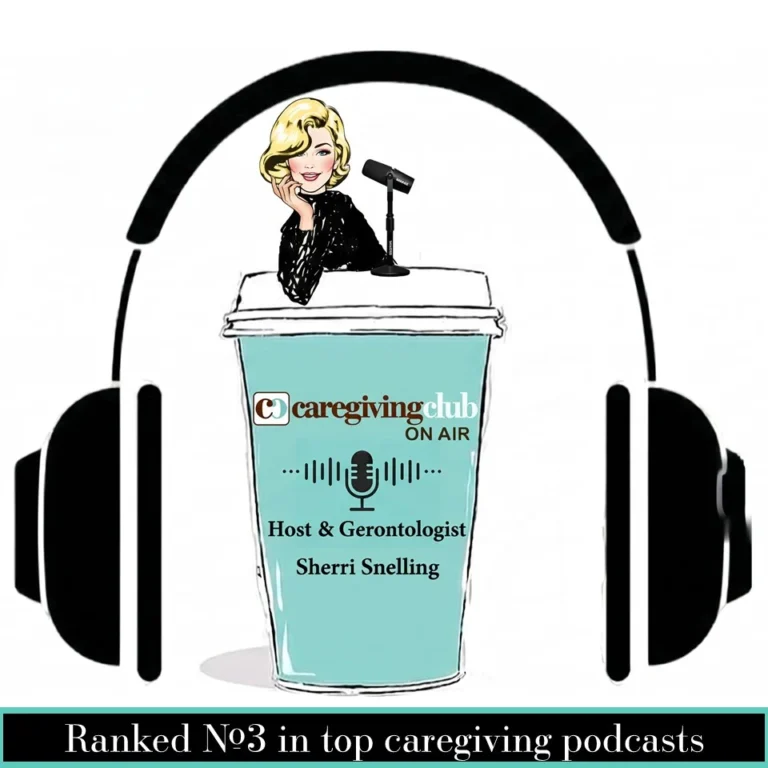
The Caregiving Club On Air podcast has solidified its position as a leading voice in this space. Recently, the podcast reached the #3 spot among the top 80 caregiving podcasts globally, according to Feedspot. This ranking reflects a growing listener base of family caregivers who are actively seeking professional advice on how to navigate the intersection of personal care and financial stability.

Expert Perspectives: Insights from Ted Butler
Ted Butler’s expertise, channeled through his partnership with Mutual of Omaha, provides a grounded perspective on how seniors can approach these financial decisions. During the episode, he emphasized that a reverse mortgage is not a "debt" in the traditional sense that requires monthly payments; rather, it is a tool to access equity that has been locked away for years.
Key takeaways from the discussion included:
- Eligibility: Understanding that the primary borrower must be at least 62 years of age and the home must be the primary residence.
- Tax Implications: In many cases, proceeds from a reverse mortgage are considered loan advances, not income, and are generally tax-free.
- Family Involvement: A critical component of the discussion was how family caregivers should be involved in the process. When an older parent considers a reverse mortgage, transparency with adult children can prevent future friction regarding inheritance expectations.
Implications for Long-Term Care and Workforce Policy
The conversation between Snelling and Butler extends beyond individual financial planning; it has significant implications for corporate America. As businesses look to support their aging employees, they are beginning to realize that "caregiver support" must include financial literacy.
Redefining the "Gen C" Continuum
Sherri Snelling’s work, specifically her concept of the "Gen C" (Generation Caregiver) continuum, highlights that we are entering a new era where caregiving is not just a personal issue but a workplace reality. Corporations are now being encouraged to move beyond a simple "benefits checklist" and toward a culture change that recognizes the long-term nature of caregiving.

Strategic shifts for employers include:
- Managerial Training: Training managers to recognize signs of caregiver burnout.
- Holistic Wellness: Providing resources that include financial planning experts, not just mental health counselors.
- Flexibility: Implementing policies that allow for the "lifespan" nature of care, such as flexible remote work arrangements for those overseeing care for elderly relatives.
A New Digital Frontier: Expanding Resources
To support the growing demand for information, the Caregiving Club is expanding its reach. Beyond the podcast, the organization is launching a new "Caregiving Club News" program on YouTube. This initiative aims to consolidate research, resources, and pop-culture commentary on caregiving into a centralized, accessible format.
For listeners looking for actionable steps, the following resources are recommended:
- Elder Care Locator: A government-backed service (eldercare.gov) that acts as a clearinghouse for local resources, providing help for those who don’t know where to start.
- "Self-Care in 7 Minutes": A video series designed for the time-strapped caregiver to focus on mental and physical wellness.
- "Me Time Monday": A book and workshop series by Sherri Snelling that offers practical strategies for caregivers to avoid the "compassion fatigue" that often leads to health declines.
Conclusion
The intersection of financial planning and caregiving is where the future of senior security lies. As Ted Butler and Sherri Snelling demonstrated, proactive, informed decision-making—whether through reverse mortgages or comprehensive long-term care planning—is the most effective way to ensure dignity and stability in the later years.

As we move forward, the emphasis must remain on education. By leveraging podcasts, YouTube resources, and professional advisory services, caregivers and their aging loved ones can transform the financial challenges of aging into a managed, secure, and sustainable chapter of life.
For those interested in diving deeper, the Caregiving Club On Air episode (S6, Ep 75) provides an essential roadmap for those ready to take control of their financial destiny. Subscribe to the Caregiving Club YouTube channel and tune in to the Voice of Reverse Mortgage podcast to stay updated on the latest shifts in this critical sector.