





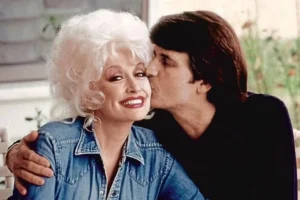


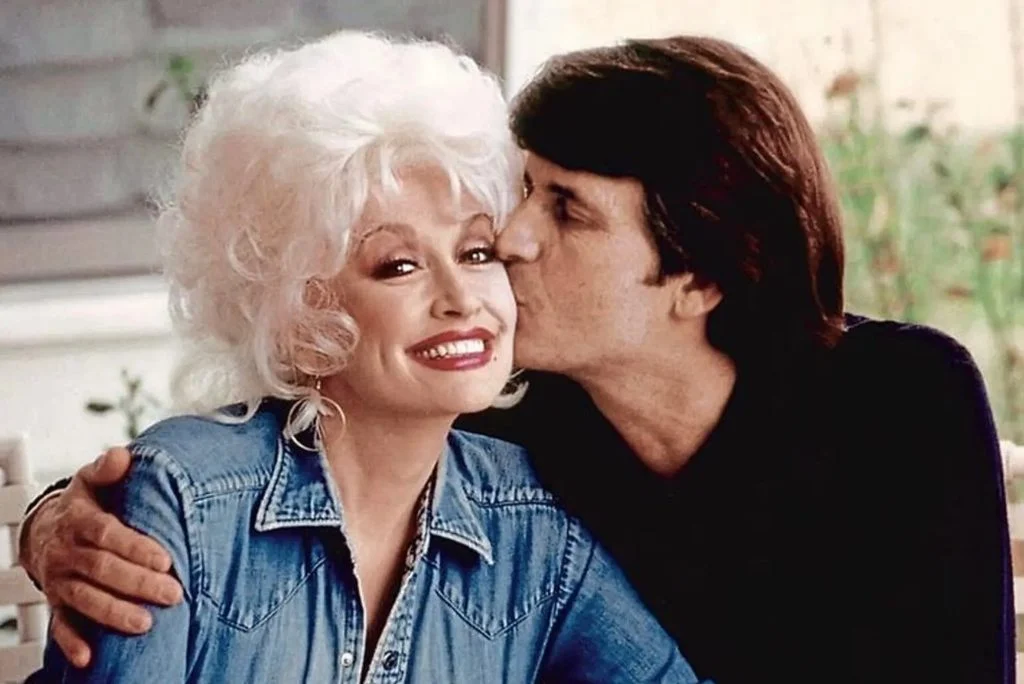
The passing of Dolly Parton on August 25, at the age of 80, sent a profound ripple of sorrow across the globe. For a world frequently fractured by political discord, economic uncertainty, and societal strife, Dolly had long served as a rare, unifying beacon of joy. A Hall of Fame songwriter, a savvy business mogul, and an eternal optimist, she was an icon whose influence transcended generations. Yet, in the wake of her death—occurring just 18 months after the loss of her husband of 59 years, Carl Dean—a somber conversation has emerged regarding the hidden, often devastating toll of spousal caregiving and the clinical phenomenon known as the “Widowhood Effect.”
The Unseen Role: Superstar as Caregiver
While the world mourned the loss of a musical titan, many observers overlooked the final, most defining chapter of her life: her role as a devoted caregiver. In 2019, when Carl Dean received a diagnosis of Alzheimer’s disease, the woman who had built an entertainment empire—spanning from the Appalachian-inspired theme park Dollywood to her global literacy initiative, the Imagination Library—quietly pivoted.
By 2022, Parton made the conscious decision to step back from the spotlight, cancelling tours and long-term engagements to focus entirely on her husband’s care at their Nashville home. For those who knew her only as a performer, this was a departure from the public persona. For those who understood the rigors of dementia, it was an act of profound, exhausting devotion. Parton later admitted on social media that her own health had suffered during this period: “Back when my husband Carl was very sick… I didn’t take care of myself, so I let a lot of things go that I should’ve been taking care of.”
Chronology of a Private Devotion
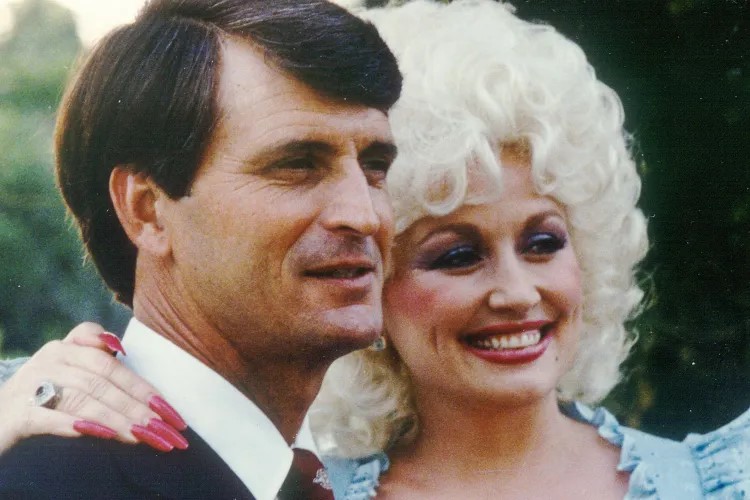
The narrative of Dolly and Carl was one of extreme privacy in an age of constant oversharing. For nearly six decades, the couple maintained a quiet, steadfast bond despite the glare of fame.
- 2019: Carl Dean is formally diagnosed with Alzheimer’s disease. Dolly begins the transition from global superstar to full-time spousal caregiver.
- 2022: Parton officially halts touring and public appearances to prioritize 24/7 caregiving duties as Dean’s condition deteriorates.
- Early 2025: Carl Dean passes away after a 59-year marriage. Parton enters a period of intense, private grief.
- August 25, 2026: Dolly Parton passes away, roughly 18 months after her husband. Her decline is attributed in part to the compounded stress of caregiving and the subsequent physical toll of bereavement.
The Science of the "Widowhood Effect"
Gerontologists and medical researchers use the term "Widowhood Effect" to describe the increased statistical risk of mortality for a surviving spouse following the death of their partner. This is not merely a poetic notion of dying of a "broken heart"; it is a physiological reality tied to chronic stress, systemic inflammation, and the neglect of one’s own health markers.
The Biological Toll of Caregiving
Caring for a spouse with dementia is uniquely grueling. Unlike other caregiving roles, dementia requires managing the progressive neurodegeneration of a loved one—a process that often involves monitoring for "sundowning," managing paranoid outbursts, and providing 24/7 assistance with the most basic functions of life.
Studies have consistently shown that dementia caregivers experience higher levels of cortisol, sleep deprivation, and depression. A meta-analysis published in Psychological Bulletin highlighted that the chronic, high-intensity nature of this care often leads to immune system dysregulation. When the caregiver, often elderly themselves, neglects their own routine screenings and chronic conditions to prioritize their spouse, the results can be fatal.
Statistical Risks and Mortality
Research paints a stark picture of the risks faced by bereaved spouses. A 2023 analysis of one million Danish citizens found that the mortality risk for survivors—particularly those under the age of 80—skyrockets within the first year of a spouse’s death. Furthermore, a study from Rice University discovered that those experiencing intense grief can show up to 17% higher levels of systemic inflammation. This inflammation serves as a catalyst for latent health issues, exacerbating cardiovascular disease, autoimmune disorders, and cancer.
Supporting Data: The Caregiver Landscape
The crisis of spousal caregiving is reaching a tipping point in the United States. According to the 2025 AARP/National Alliance for Caregiving report, there are approximately 6 million Americans acting as primary caregivers for their spouses.
- Age and Intensity: The prevalence of spousal caregiving increases drastically with age. Among those aged 75 or older, 32% are providing primary care for a partner.
- The Gender Gap: Women, who statistically live longer than men, often take on the most intensive, long-term caregiving roles. Research from the National Institutes of Health (NIH) indicates that spousal caregivers are significantly less likely to hire paid help or utilize community resources than other family caregivers, often viewing the labor as an inherent part of the marriage vow.
- Access to Respite: Despite the clear need for relief, only 14% of dementia caregivers currently access respite services. This lack of access contributes to the "burnout" that eventually leads to the caregiver’s own physical decline.
Implications for Social Wellness and Policy
The passing of Dolly Parton serves as a high-profile cautionary tale for the millions of Americans navigating the "sandwich generation" or the "golden years" of caregiving. The implications are clear: love is not a substitute for medical self-care.
Redefining the "Three-Party Equation"
Parton’s experience suggests that in any committed relationship, there must be three parties in the equation of care: the person being cared for, the faith or support system holding the caregiver up, and the caregiver’s own physical and mental wellness. When the caregiver removes themselves from this equation, the foundation crumbles.
The Need for Respite Innovation
In 2025, the announcement of $25 million in federal funding for respite innovation was a step forward, but the system remains fragmented. Advocacy groups are pushing for "CareGifting" initiatives and better integration of Area Agencies on Aging to help families find relief before the caregiver reaches a point of no return.
Resources for Caregivers
For those currently in the trenches of spousal caregiving, the following organizations offer critical support to prevent the physical and emotional depletion that leads to the Widowhood Effect:
- ARCH National Respite Care Network: A centralized hub for connecting with local respite agencies nationwide.
- Hilarity for Charity: Provides "care grants" specifically aimed at helping dementia caregivers access professional respite services.
- Respitely: A platform that facilitates "CareGifting," allowing friends and family to fund respite care for a caregiver.
- Veteran’s Administration (VA): Offers up to 30 days per year of free respite care for the caregivers of veterans.
- CaringBridge: A digital tool that helps coordinate volunteer efforts among friends and family, ensuring the caregiver is not isolated.
Conclusion: A Legacy of Reflection
Dolly Parton’s life was defined by her ability to give—to her fans, to the children who received her books, and finally, to the man she loved for nearly 60 years. However, her death serves as a poignant reminder that even the strongest among us are susceptible to the biological toll of profound grief and the relentless demands of caregiving.
As we move past National Wellness Month and into September’s Self-Care Awareness Month, the lesson of her life is not just in the music she left behind, but in the necessity of protecting one’s own health. We honor the "Queen of Country" best by acknowledging that for the millions of spouses currently caring for their partners in silence, asking for help is not a sign of weakness—it is an act of survival.