









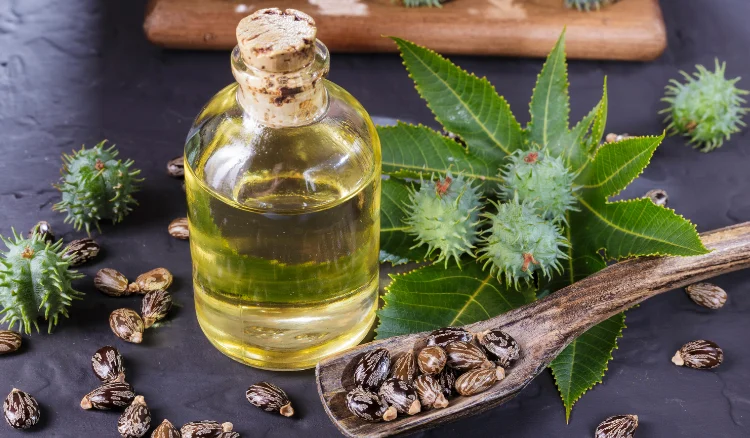
In the fast-paced world of digital wellness, trends often appear like fleeting sparks—burning brightly for a week on social media before fading into obscurity. However, the current surge in interest surrounding castor oil represents a rare exception. From viral videos showcasing navel oiling to influencers touting topical packs for skin health, castor oil is experiencing a global renaissance. Yet, for practitioners of Ayurveda, this is not a new "hack." It is a return to a sophisticated, millenia-old tradition that views this humble seed oil as a cornerstone of human health.
The castor plant, known in Sanskrit as Eranda, has been a pillar of Ayurvedic practice for thousands of years. Its broad leaves, often compared in ancient texts to the open hand of a celestial musician, symbolize the gesture of giving—a fitting metaphor for a plant that has provided humanity with profound medicinal support since antiquity.
The Main Facts: The Rare Nature of Castor Oil
To understand why castor oil is suddenly being rediscovered, one must look at its unique chemical and energetic profile. In Ayurveda, substances are categorized by their gunas (qualities), rasa (taste), virya (energy), and vipaka (post-digestive effect).
Castor oil is scientifically fascinating because it defies the conventional rules of balancing the three doshas—Vata, Pitta, and Kapha. It is characterized as heavy, oily, sharp, and subtle. Its taste profile includes sweet, pungent, and astringent notes. Crucially, its energetic nature is dualistic: it is heating when ingested but cooling when applied topically. This rare combination allows it to address an extraordinarily wide range of conditions, making it one of the most versatile therapeutic agents in the Ayurvedic pharmacopeia.
Unlike synthetic wellness trends, Ayurveda emphasizes that castor oil is not a "one-size-fits-all" solution. Its application must be tailored to the individual’s unique constitution, ensuring that the treatment serves the body’s specific requirements rather than overriding them.
A Chronological Perspective: From Ancient Texts to Clinical Practice
The history of Eranda is deeply rooted in the foundational texts of Ayurvedic medicine, including the Charaka Samhita and Sushruta Samhita.
- Ancient Origins: For centuries, Ayurvedic physicians used castor oil as a purgative, an anti-inflammatory, and a rejuvenating agent. It was recognized not merely as an oil, but as a "carrier" capable of transporting the healing properties of other medicinal herbs deeper into the body’s tissues.
- The Mid-20th Century Revival: The teachings of Dr. Vasant Lad brought these ancient principles into the modern clinical setting. Through his decades of practice and his writings in Ayurveda Today, Dr. Lad demystified the use of castor oil for Western audiences, moving it from the realm of obscure folk remedy to a structured, therapeutic modality.
- The Digital Age: In the last decade, social media platforms have acted as a catalyst for the democratization of this knowledge. By removing the barriers to entry, platforms have encouraged millions to engage in self-care practices like castor oil packs and navel oiling. However, this accessibility has also created a need for more rigorous, expert-led guidance to prevent misuse.
Supporting Data: Understanding the Doshas
The primary challenge in modern wellness is the tendency to treat all health protocols as universal. Ayurveda operates on the principle that your body is a unique ecosystem governed by three doshas.
1. Vata Types: Addressing Dryness and Movement
Vata is associated with movement and air. When Vata is aggravated, the body becomes dry, brittle, and prone to anxiety. For these individuals, castor oil is a grounding tool. When mixed with sesame oil—the ultimate Vata-pacifier—it becomes a potent blend for self-massage (Abhyanga), softening the skin and calming the nervous system.
2. Pitta Types: Managing Internal and External Heat
Pitta governs transformation and fire. When Pitta is out of balance, inflammation ensues. Dr. Vasant Lad’s specific recommendation—a single drop of pure castor oil in the eyes at bedtime—addresses the "Alochaka Pitta," the sub-dosha responsible for eye health. Furthermore, a mixture of castor and neem oil acts as a natural, cooling barrier against the harshness of the sun, protecting sensitive Pitta skin.
3. Kapha Types: Stimulating Stagnation
Kapha represents earth and water, which provides structure but can also lead to accumulation and lethargy. For Kapha imbalances, such as abdominal congestion or sluggish digestion, the application of warm castor oil to the Nabhi (navel) is essential. This practice is believed to stimulate the meeting point of prana (life force) and apana vayu, encouraging the release of stagnant energy and toxins from the liver and spleen.
Official Responses and Clinical Implications
While the enthusiasm for castor oil is palpable, experts from The Ayurvedic Institute emphasize that internal use requires caution. Because of its potent purgative nature, the ingestion of castor oil is a significant clinical intervention.
Clinical Guidelines for Internal Use:
- Contraindications: Internal use is strictly advised against during pregnancy, for those with ulcerative gastrointestinal conditions, or for individuals experiencing acute inflammatory bowel issues.
- Professional Oversight: Internal protocols should only be established by a qualified Ayurvedic practitioner. The dosage, the carrier agent, and the timing must be calibrated to the patient’s current state of health and prakriti (individual constitution).
- The "More is Better" Fallacy: Modern consumers often assume that if a little is good, more is better. In Ayurveda, this is a dangerous misconception. Over-application or improper ingestion can disrupt the body’s natural balance, leading to complications that are difficult to correct without expert intervention.
Implications: Moving Toward Holistic Integration
The resurgence of castor oil signifies a shift in consumer behavior. People are increasingly disillusioned with synthetic solutions and are actively seeking wisdom that has been "tested by time." This is not just a trend; it is a fundamental shift toward biological autonomy.
By integrating traditional knowledge with modern safety standards, the wellness industry can move away from reckless experimentation and toward a model of informed, personalized care. The "deeper invitation" offered by institutions like The Ayurvedic Institute is to move beyond the surface-level application of oils and into a comprehensive understanding of how the body functions.
Key Considerations for the Modern Practitioner
- Source Quality: The efficacy of castor oil is highly dependent on its purity. Cold-pressed, organic, and hexane-free oils are the gold standard for therapeutic applications.
- Mindful Application: Whether it is a compress for joint pain or a scalp treatment for hair health, the act of applying the oil should be a meditative, intentional practice.
- Education over Trend-Following: Before starting a regimen, individuals are encouraged to download resources such as The Ancient Ayurvedic Guide to Castor Oil and consult with professionals who understand the intersection of ancient wisdom and modern physiology.
Conclusion
The castor plant has stood for millennia as a testament to nature’s healing intelligence. Its current popularity on social media is a symptom of a larger, global hunger for connection—connection to our bodies, our history, and the earth.
As we move forward, the challenge for both practitioners and the public is to honor the depth of this tradition. By treating castor oil not as a "magic bullet" but as a nuanced therapeutic tool, we can safely leverage its power to improve digestive health, soothe inflammation, and bring our bodies back into balance. The path to health is not found in the latest viral post, but in the sustained, intentional application of ancient wisdom—a path that is, and has always been, open to those willing to learn.