








MANCHESTER, England — What was intended to be a high-energy evening of trap and R&B music descended into a scene of panic and respiratory distress on Sunday night, as thousands of fans were forced to flee the Co-op Live arena in Manchester. The abrupt cancellation of American rapper Don Toliver’s performance, triggered by the release of an unidentified chemical irritant, has left a community on edge and ignited a high-stakes investigation by Greater Manchester Police (GMP).
The Incident: A Night of Music Turned to Chaos
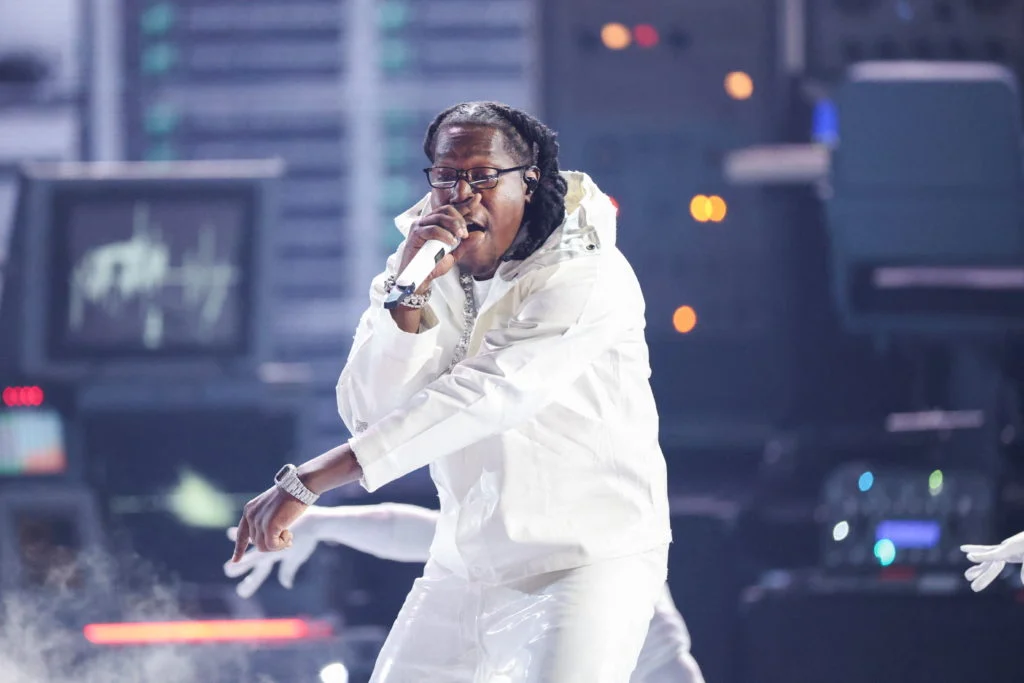
The incident occurred at approximately 10:00 p.m. local time on Sunday, November 23, 2026. Don Toliver, the Grammy-nominated artist currently touring in support of his "Nitrous" project, had been performing for a capacity crowd when the atmosphere inside the venue shifted rapidly.
Within minutes, concertgoers in the standing area began reporting intense coughing, itchy eyes, and difficulty breathing. As a "horrible smell" permeated the arena, the confusion turned into a frantic exodus. Over 12,000 attendees were ordered to evacuate the state-of-the-art facility as emergency services declared a "major incident"—a designation reserved for events requiring a coordinated, multi-agency response to protect public safety and minimize casualties.
Footage circulated on social media platforms shortly after the evacuation showed thousands of fans streaming out of the exits, many shielding their faces with clothing or coughing violently as they sought fresh air.
Chronology of the Evacuation
The timeline of the evening highlights the rapid escalation from a standard concert experience to a public health emergency:
- 9:45 p.m.: Attendees in the floor-standing section report the first signs of discomfort, describing an acrid, chemical-like odor.
- 9:55 p.m.: Don Toliver abruptly leaves the stage as the venue’s house lights are illuminated. The music ceases, and the crowd grows restless, initially unsure if this is part of the performance.
- 10:00 p.m.: Greater Manchester Police receive the first emergency calls reporting that concertgoers are being affected by a substance, widely suspected at the time to be tear gas or a similar irritant.
- 10:15 p.m.: An official announcement is made over the venue’s public address system: "Due to an unforeseen issue, the show is over. Please make your way out at your own pace."
- 10:30 p.m. – Midnight: North West Ambulance Service (NWAS) establishes a triage station outside the arena. Dozens of fans are treated for respiratory distress and eye irritation.
- 12:15 a.m. (Monday): The venue is officially cleared. Police confirm the commencement of a forensic investigation into the nature of the substance.
Supporting Data and Medical Impact
The North West Ambulance Service confirmed that over 80 individuals received on-site medical assessments during the chaotic evacuation. While the majority of victims were treated for minor respiratory and ocular symptoms, the severity of the incident necessitated one hospital transport.
"Decontamination is being carried out as a precaution," a spokesperson for the ambulance service stated. The substance—which remains unidentified as of Monday morning—caused enough localized harm to raise significant concerns among toxicology experts regarding the ease with which such materials can be introduced into high-density public spaces.
Concertgoer Joey Howe described the scene to the BBC as "distressing," noting that he witnessed people being wheeled out in chairs, struggling to catch their breath. The sight of emergency crews donning protective gear added to the palpable fear among the departing crowds.
Official Responses and Police Investigation
Greater Manchester Police have moved quickly to reassure the public while maintaining the gravity of the situation. Assistant Chief Constable Steph Parker, speaking at a press briefing, emphasized that the priority remains identifying the source of the irritant.
"We are currently working to fully understand what this substance was and how this incident came about," Parker said. "We urge anyone who has left the event and since become unwell to attend their local hospital or consult with their GP immediately."
The Co-op Live management issued a brief statement confirming their cooperation with law enforcement. "The safety and security of our guests is our absolute priority," the statement read. "We are working hand-in-hand with the Greater Manchester Police to identify the cause of the incident and will provide updates as soon as the investigation allows."
Political leaders have also weighed in. Tom Wells, speaking on behalf of Manchester Mayor Andy Burnham, described the event as "deeply worrying." He acknowledged the anxiety the incident has caused, particularly for the families of the thousands of young people in attendance, and urged the public to refrain from speculation while the forensic investigation proceeds.
The Shadow of the Past: Contextualizing the Fear
The anxiety surrounding the events at Co-op Live is amplified by Manchester’s history. The city remains scarred by the 2017 Manchester Arena bombing, which occurred only 3.2 kilometers (2 miles) away at a different venue. That terror attack, which claimed 22 lives during an Ariana Grande concert, fundamentally altered the security protocols for live entertainment venues across the United Kingdom.
For many, the sight of a mass evacuation in Manchester brings back visceral memories of that tragedy. While authorities have not labeled Sunday’s incident an act of terrorism, the "major incident" declaration and the use of chemical irritants have naturally triggered a heightened security response. The proximity to the 2017 site serves as a constant reminder of the vulnerability of large-scale public gatherings.
Implications for the Live Music Industry
The cancellation of the Manchester show has cast a shadow over the remainder of Don Toliver’s "Nitrous" tour. The rapper, who is featured on the soundtrack of the latest Grand Theft Auto installment and has seen his popularity skyrocket over the last year, was scheduled for high-profile performances at London’s O2 Arena on Monday and Wembley Arena on Tuesday.
As of Monday, organizers have not provided updates regarding the status of the upcoming London dates. The incident is likely to prompt a review of security measures at major venues across the UK. Discussions are already emerging regarding the implementation of more stringent bag searches, the use of advanced air-quality monitoring, and the potential for increased surveillance within standing-room areas where a substance could be deployed with relative anonymity.
For the fans, the incident is a stark reminder of the fragile balance between the freedom of public celebration and the necessity of safety. As the investigation continues, the focus remains on whether this was a targeted, malicious act or a reckless prank that escalated into a life-threatening scenario.
"We want our city to be a place where people can come to enjoy themselves without fear," said one local official. "Today, that sense of security has been shaken, and we owe it to the victims and the people of Manchester to find out exactly what happened."
The investigation is ongoing, and police are currently reviewing hours of CCTV footage from inside the arena to identify any individuals who may have been involved in the dispersal of the substance. Anyone with video footage or information is being encouraged to contact the Greater Manchester Police directly.