





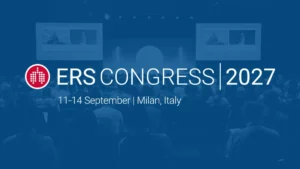



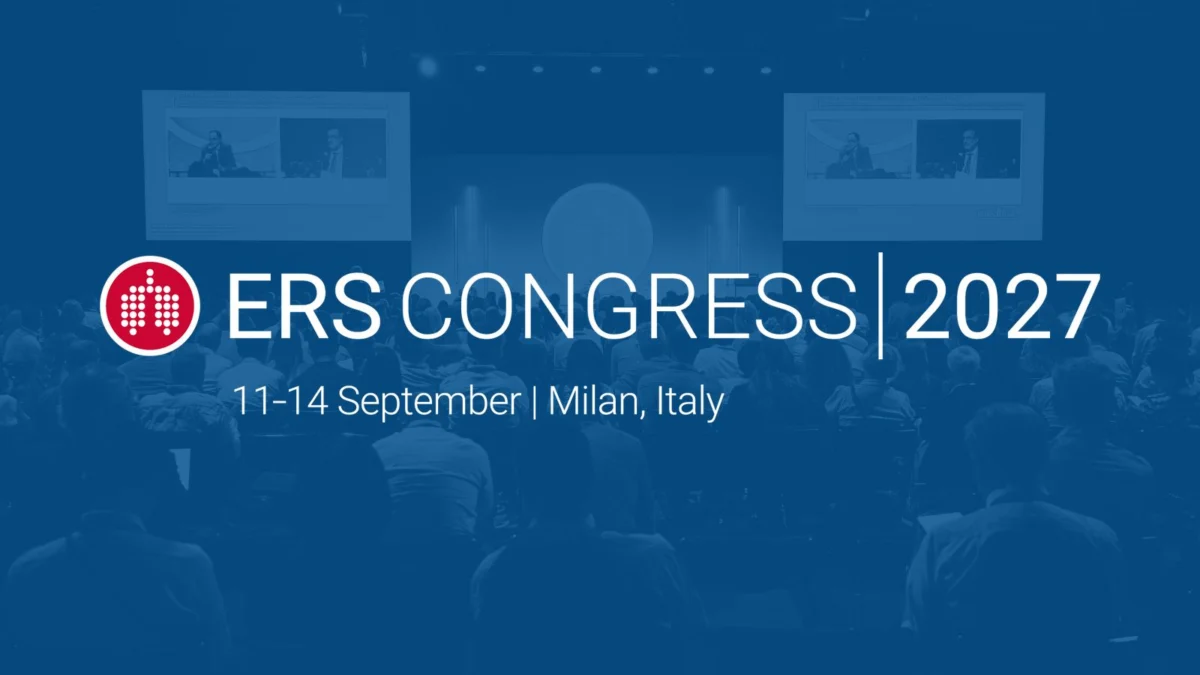
Milan, Italy – 26 November 2026 – The European Respiratory Society (ERS) has officially unveiled a significant strategic pivot for its flagship annual event. In an announcement that will necessitate immediate logistical adjustments for thousands of researchers, clinicians, and industry partners, the ERS confirmed that the 2027 Congress in Milan will adopt a condensed, four-day format.
Moving away from the traditional mid-week conclusion, the society has opted to streamline its operations, consolidating content into a Saturday-through-Tuesday schedule. This decision, aimed at optimizing attendance and increasing the density of high-impact scientific discourse, marks the most significant change to the Congress architecture in recent memory.
Main Facts: The New Congress Architecture
The upcoming ERS Congress 2027, hosted in the vibrant hub of Milan, is scheduled to take place from Saturday, 11 September to Tuesday, 14 September 2027.
The fundamental change is the total elimination of the traditional Wednesday programming. For years, the Wednesday session served as a dedicated space for ERS special projects, advocacy campaigns, and society-led initiatives. Under the new mandate, these elements are being integrated into the core four-day programme, ensuring that every moment of the Congress is saturated with academic and clinical substance.
Key takeaways for prospective attendees include:
- The Saturday Expansion: Saturday is no longer a peripheral day. It will now host formal abstract sessions alongside educational forums and the official opening ceremony, which is slated for midday.
- Exhibition Integration: The exhibition floor will now open its doors on Saturday afternoon, allowing delegates earlier access to industry partners and technological showcases.
- Tuesday Conclusion: The event will conclude on Tuesday afternoon, effectively ending the Congress a day earlier than previous iterations.
- Logistical Warning: Because the event now concludes on Tuesday, attendees who have historically booked travel for Thursday departures will need to recalibrate their arrangements to avoid unnecessary costs or wasted time.
Chronology: A Transition to Efficiency
The decision to restructure the Congress did not occur in a vacuum. It follows an extensive internal review process conducted by the ERS Executive Committee and scientific planning boards throughout 2026.
- September 2026: The ERS Congress in Vienna concludes, sparking internal debates regarding the optimal length of large-scale scientific gatherings in a post-pandemic era.
- October 2026: Preliminary feedback from delegates indicates a desire for more focused, high-intensity programming that respects the busy schedules of medical professionals.
- November 2026: Official announcement of the 2027 structural overhaul.
- December 2026: The portal for abstract submissions is set to open, marking the first major milestone of the 2027 event cycle.
- April 2027: Registration officially opens to the public.
By signaling these changes well in advance, the ERS aims to mitigate the disruption that such a shift inevitably causes for international travel and hotel procurement departments.
Supporting Data: Why the Change?
The shift toward a four-day model reflects a broader trend within international medical associations. Data gathered by the ERS over the past three years suggests that attendance numbers on the final day (historically Wednesday) have seen a gradual decline as delegates prioritize clinical duties back at their home institutions.
Furthermore, the "concentration of excellence" strategy is backed by internal surveys indicating that delegates prefer a more intensive, four-day engagement over a five-day experience that often includes "filler" content or diminished attendance toward the end of the week. By weaving the special projects—formerly siloed on Wednesday—into the main flow of the weekend and early week, the society expects to increase the visibility of its advocacy and project-based work, exposing these crucial initiatives to a larger, more captive audience.
Official Responses and Strategic Intent
In statements provided following the announcement, ERS leadership emphasized that this is a "quality-over-quantity" initiative.
"The landscape of medical education is changing," said a spokesperson for the ERS planning committee. "Our members are time-poor. By compressing the programme, we are not losing content; we are intensifying it. We are ensuring that every day of the Milan Congress is a ‘prime day’ for networking, learning, and collaboration."
The integration of the opening ceremony into Saturday lunch is a deliberate move to ensure that the Congress starts with a high-energy, high-attendance atmosphere. By shifting the exhibition opening to Saturday, the society is also acknowledging the commercial reality of the Congress, ensuring that industry partners have access to the full delegation from the moment the event commences.
Implications: Navigating the 2027 Congress
For the medical community, this change carries several practical implications that must be addressed in the coming months.
1. Travel and Accommodation Logistics
The most immediate impact is on travel budgets. Many corporate travel policies and hospital grant systems are calibrated for a five-day cycle. Delegates are strongly advised to check with their finance departments regarding funding for the updated Saturday-Tuesday window. Hotel blocks in Milan are expected to be highly competitive; with a shorter window, the demand for Saturday and Sunday night stays will be significantly higher than in previous years.
2. Scientific Submission Strategies
With the Wednesday projects being merged into the general programme, the competition for slotting during the main days will be fiercer. Researchers aiming to present their work should take note of the December opening for abstract submissions. The inclusion of abstract sessions on Saturday represents a new opportunity for early-career researchers to showcase their work at the very beginning of the conference, potentially gaining more visibility before the midweek rush of plenary sessions.
3. The Professional Networking Paradigm
Networking at the ERS Congress has traditionally relied on the "long-tail" effect of the five-day format. With a truncated schedule, the pace of the Congress will be faster. Delegates should anticipate a "sprint" mentality, where scheduling meetings and industry interactions will require more foresight. The ERS is expected to provide updated networking tools via their mobile app in the spring of 2027 to assist in managing this condensed timeline.
4. Advocacy and Special Project Visibility
For those involved in ERS initiatives—such as the ERS Respiratory Health Advocacy or specific disease-focused task forces—the new format is a double-edged sword. While they lose the "Wednesday spotlight," they gain a larger, more diverse audience. These sessions will now compete for attention with clinical and research streams, forcing these projects to demonstrate their relevance to the wider respiratory community.
Looking Ahead: The Road to Milan
As the respiratory community prepares for Milan, the message from the ERS is clear: adaptability is the key to progress. The 2027 Congress is not just a meeting; it is a test case for the future of scientific dissemination.
The society has committed to maintaining a transparent communication line throughout the lead-up to the event. With the call for abstract submissions opening in December, the pressure is on for researchers to begin finalizing their data. Meanwhile, the wait for registration until April 2027 provides a brief window of stability for attendees to finalize their institutional budgets and leave requests.
As the global medical community watches these changes unfold, one thing is certain: the Milan Congress will be defined by a new, focused energy. By cutting the fat from the schedule, the ERS is betting that a leaner, more efficient Congress will deliver higher value, foster deeper connections, and ultimately lead to better outcomes for respiratory patients worldwide.
For those planning their journey, the advice remains the same: adjust your calendars, monitor the official ERS portal, and prepare for an accelerated experience in one of Europe’s most dynamic cities. The 2027 Congress in Milan is poised to set the gold standard for how medical associations engage with their members in the modern era.