











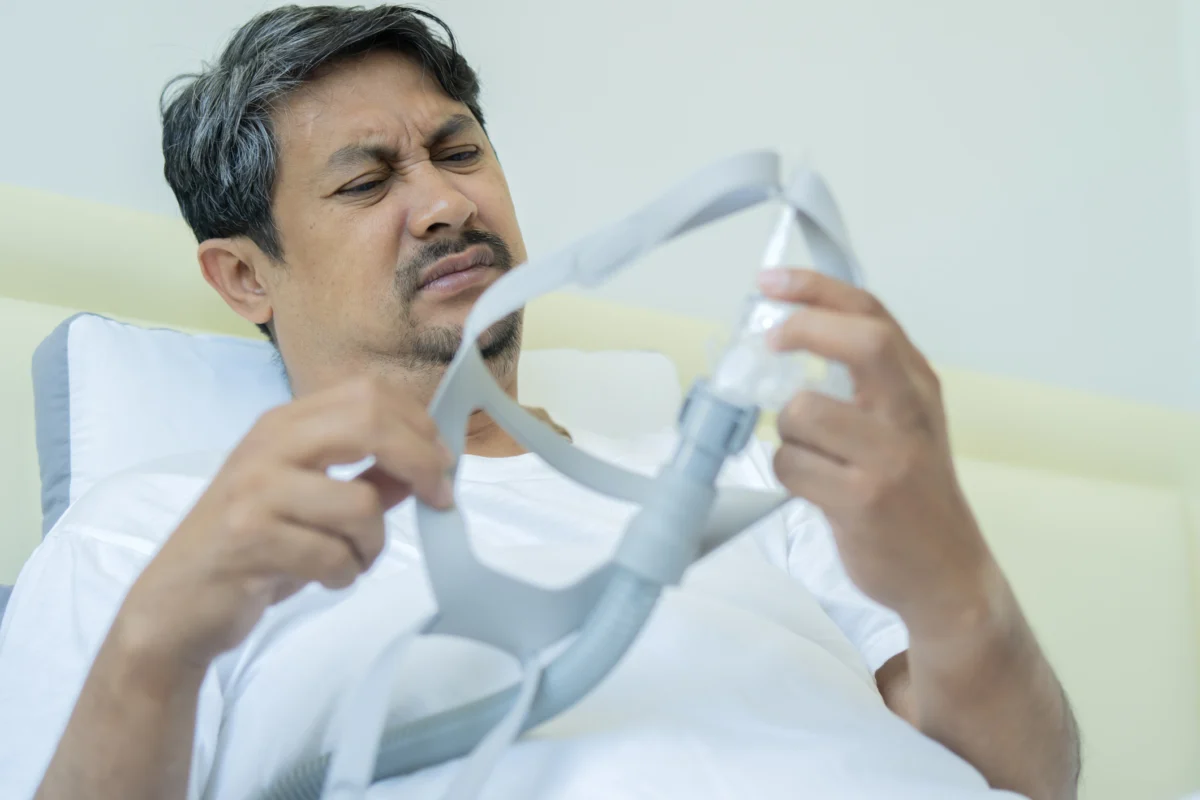
For millions of Americans, the diagnosis of obstructive sleep apnea (OSA) is supposed to be the turning point—the moment when chronic exhaustion, cognitive fog, and cardiovascular risks are finally addressed. However, new research suggests that for a staggering number of patients, receiving a diagnosis marks the beginning of a cycle of abandonment rather than a path to recovery.
According to the inaugural Untreated OSA Initiative Survey, sponsored by the pharmaceutical company Apnimed, a significant portion of the patient population is being left “stranded” within the healthcare system. The findings reveal a disturbing reality: many patients struggle with initial treatments, discontinue them abruptly, and—most concerningly—never return to seek alternative solutions.
The Magnitude of the Problem: Key Findings
The survey, which synthesizes perspectives from patients, their bed partners, and clinical sleep medicine professionals, paints a vivid picture of a fractured care journey. The data indicates that the “treatment cliff” happens much earlier than many clinicians previously estimated.
Perhaps most alarmingly, 52% of adults who were prescribed positive airway pressure (PAP) therapies or oral appliances discontinued their treatment within the first six months. Even more striking is the long-term outlook: 70% of all untreated adults diagnosed with the condition have never made a serious attempt to restart therapy or consult their physician about alternative management strategies.
This creates a hidden public health crisis. While OSA is a well-documented condition linked to hypertension, heart disease, stroke, and type 2 diabetes, the "stranded" population remains at high risk, often unaware of the silent damage their untreated condition is inflicting on their long-term health.
Chronology: The Journey from Diagnosis to Disengagement
To understand why patients are falling through the cracks, it is essential to look at the typical care journey for an OSA patient.
1. The Diagnostic Milestone
The journey usually begins with a patient seeking help for excessive daytime sleepiness, loud snoring, or witnessed apneas. After a sleep study—whether in a clinical lab or via home testing—the diagnosis of OSA is confirmed. At this stage, the medical system is highly engaged, and the patient is typically optimistic that relief is imminent.
2. The Implementation Phase (The First 90 Days)
The patient is introduced to the "gold standard" of treatment: CPAP (Continuous Positive Airway Pressure) therapy or, in some cases, custom-fitted oral appliances. This is the period of highest attrition. Patients often grapple with physical discomfort, claustrophobia, mask leaks, or the psychological burden of integrating a medical device into their intimate nighttime routine.
3. The "Stranded" Period (Months 3–6)
When the initial transition to therapy fails or becomes uncomfortable, patients often experience a sense of failure. They may stop using the device without informing their physician. The survey suggests that during this window, the follow-up loop is often insufficient. If the patient does not proactively reach out, they may disappear from the provider’s active monitoring dashboard.
4. The Long-Term Disengagement (Six Months and Beyond)
After six months of non-compliance, many patients move into a state of "passive resignation." They have accepted their symptoms as a permanent part of life, often forgetting that the original diagnosis remains on their chart. With 70% of these individuals never attempting to restart treatment, the condition remains chronically undertreated for years, leading to progressive systemic health deterioration.
Supporting Data: Why Patients Walk Away
The Untreated OSA Initiative Survey was developed in collaboration with Project Sleep and the Alliance of Sleep Apnea Partners (ASAP), with input from national sleep experts. It highlights several barriers that contribute to this disengagement:
- The Burden of Therapy: The physical and sensory experience of wearing a mask while sleeping is a significant barrier for a large subset of the population.
- Perceived Lack of Support: Many patients report that once the equipment is dispensed, the clinical hand-holding ceases. When problems arise, they feel isolated.
- Misconceptions about Alternatives: There is a widespread belief among patients that if CPAP doesn’t work, there are no other options. This lack of awareness regarding positional therapy, lifestyle interventions, and emerging pharmaceutical treatments (such as Apnimed’s investigational drug, AD109) keeps patients from seeking help.
- The Partner Factor: The survey also examined the role of bed partners, finding that the stress of living with an untreated OSA patient—including sleep deprivation caused by the partner’s snoring—often leads to relationship strain, which can paradoxically make the patient feel more alienated and less likely to prioritize treatment.
Official Responses and Expert Perspectives
The release of these findings coincides with the launch of "Stranded With Sleep Apnea," a national disease education campaign aimed at breaking the stigma surrounding treatment failure.
Kevin Lind, CEO of Apnimed, emphasizes that the responsibility lies with the broader healthcare system to redefine the care journey. “A diagnosis should be the start of someone’s care, not the end of it,” Lind stated. “The Untreated OSA Initiative Survey suggests many people living with sleep apnea are falling out of treatment and not finding their way back. We believe that not receiving treatment impacts their health, their relationships, and their daily lives. We want to help make untreated OSA impossible to ignore.”
Michael Breus, PhD, a renowned clinical psychologist and sleep medicine expert, views the data as a "wake-up call." According to Dr. Breus, "Behind these numbers are people who have tried to treat their sleep apnea and are still struggling to find a path that works for them. By shining a light on their experiences, I hope we can encourage more people to keep the conversation going with their healthcare providers and stay engaged in their care."
The patient perspective is perhaps best captured by Emma Cooksey, a patient advocate and sleep apnea program manager at Project Sleep. “Initially, I struggled with sleep apnea treatment, and at times, I felt alone and isolated in trying to figure out a path forward,” she noted. Her message to the millions currently stranded is one of empowerment: “You are not alone, you are not to blame, and there is a way forward.”
Implications for the Future of Sleep Medicine
The implications of these findings are profound. For the healthcare industry, the data suggests that the current model of "diagnose and dispense" is fundamentally flawed. If over half of all patients abandon therapy in the first six months, then the clinical protocols for post-diagnosis support must be overhauled.
Shift in Treatment Paradigms
The medical community is beginning to recognize that treatment adherence is not just about the device—it is about the human experience. This includes:
- Earlier Intervention: More frequent check-ins during the first 30 days of therapy to troubleshoot mask fit and pressure settings.
- Diverse Therapeutic Options: A more robust integration of oral appliances, hypoglossal nerve stimulation, and the potential inclusion of pharmacological agents as they move through the FDA pipeline.
- Patient Advocacy: Empowering patients through education campaigns like "Stranded With Sleep Apnea" to ensure they know that "failing" CPAP does not mean "failing" at sleep health.
Addressing the Health Equity Gap
Furthermore, the survey highlights a need to address how different demographics experience the "stranded" phenomenon. Socioeconomic factors, access to specialized sleep centers, and the cost of durable medical equipment (DME) play significant roles in why some patients find it easier to abandon treatment than others.
Conclusion: A Call to Action
The Untreated OSA Initiative Survey serves as a sobering reminder that a diagnosis is only as effective as the patient’s ability to sustain the treatment. As the medical community pivots toward more personalized, patient-centric models of care, the focus must remain on those who have been left behind.
For those currently living with untreated OSA, the message is clear: your struggle is common, and your frustration is valid. However, returning to your healthcare provider to discuss the barriers you’ve encountered—whether they are physical, psychological, or logistical—is the first step toward reclaiming your health. The goal of the current initiatives is to ensure that no patient feels the need to suffer in silence, and that the path from diagnosis to restful, healthy sleep is supported at every turn.