


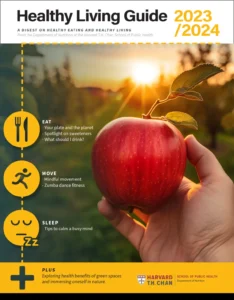


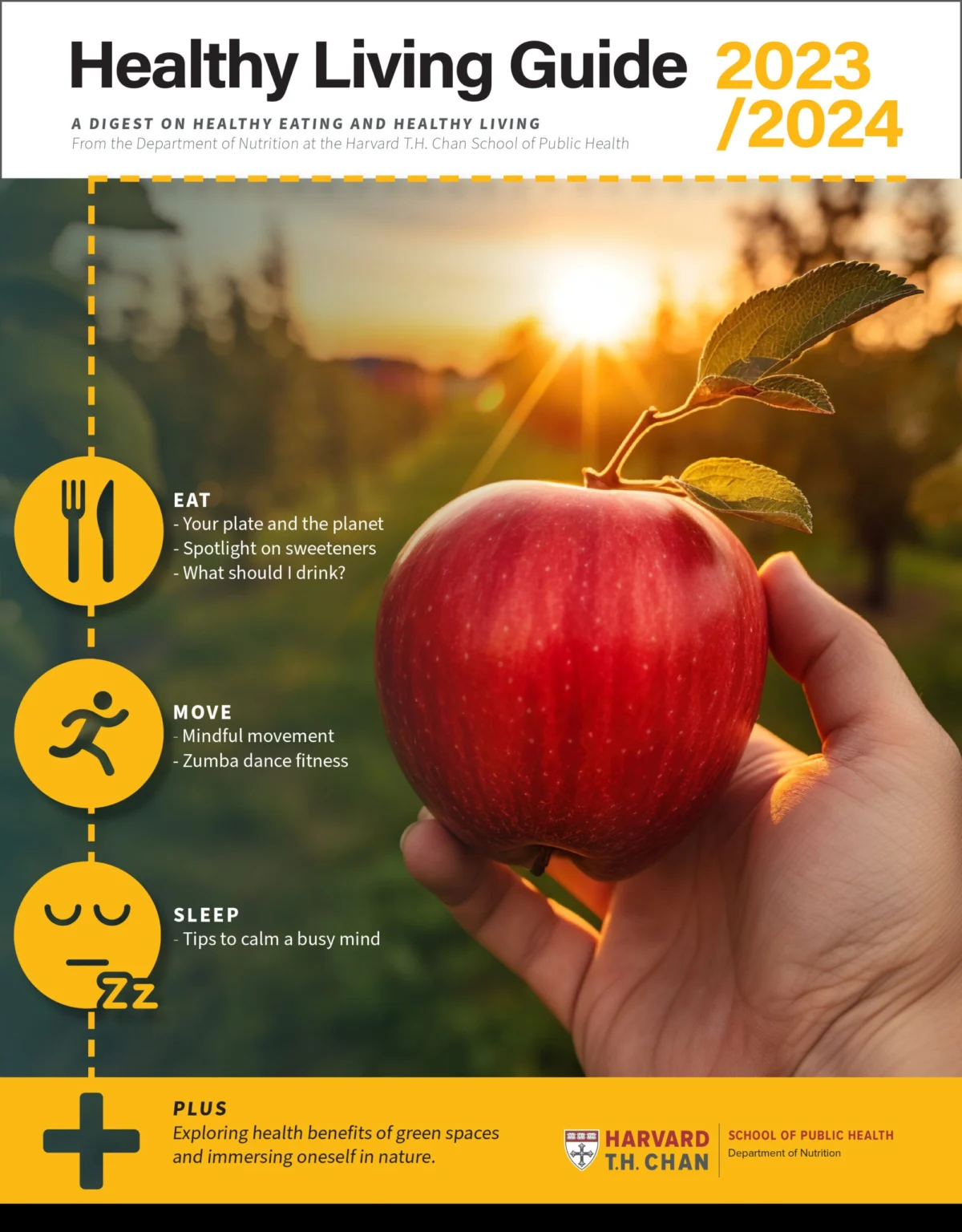
As the calendar turns to a new year, the quest for optimal health often takes center stage in the collective consciousness. To guide this pursuit, the Department of Nutrition at the Harvard T.H. Chan School of Public Health has released the fourth edition of its highly anticipated Healthy Living Guide. This year’s publication is more than a mere collection of dietary advice; it serves as a sophisticated intersection between rigorous academic research and the burgeoning field of mindfulness, aiming to address the holistic needs of a global population.
Main Facts: A New Paradigm for Public Health
The 2023-2024 edition of the Healthy Living Guide marks a significant departure from traditional, siloed health advice. At its core, this edition celebrates the inauguration of the Thich Nhat Hanh Center for Mindfulness in Public Health. By integrating the philosophy of "mindful living" with clinical nutritional science, the guide positions itself as a roadmap for both individual wellness and planetary sustainability.
Central to this year’s narrative is the concept of "mindful eating." Drawing inspiration from the late Zen master Thich Nhat Hanh—specifically his observation that "the apple in your hand is the body of the cosmos"—the guide encourages readers to consider the interconnectedness of their food choices with the broader environment. This edition emphasizes that the act of eating is not merely a biological necessity, but a profound interaction between the individual and the global ecosystem.
Chronology: The Evolution of the Guide
Since its inception, the Healthy Living Guide has evolved alongside the shifting priorities of public health.
- Initial Launch: The guide began as a response to the growing need for evidence-based, accessible health information that could bridge the gap between complex research papers and practical application.
- The Mid-Years: In subsequent editions, the Department of Nutrition expanded its scope to include the interplay between mental health, sedentary behavior, and sleep hygiene.
- The 2023 Milestone: A pivotal moment in the guide’s history, 2023 saw the establishment of the Thich Nhat Hanh Center. This development shifted the editorial focus from purely physiological metrics to the inclusion of psychological and mindfulness-based interventions.
- Current Iteration (2024): The present guide consolidates these themes, offering a comprehensive look at how nutrition, physical movement, and sleep cycles influence human longevity in an increasingly complex world.
Supporting Data: Addressing Modern Health Challenges
The guide is underpinned by a robust synthesis of the latest clinical data. In a world characterized by convenience-driven diets and erratic schedules, the Harvard team has identified three critical pillars for 2024:
1. The Ultra-Processed Food Crisis
One of the most compelling sections of the guide addresses the prevalence of ultra-processed foods (UPFs). Current research highlighted in the publication indicates a disturbing correlation between the consumption of highly industrialized food products and the decline of mental health. The guide provides data suggesting that the additive-heavy, nutrient-poor nature of these foods may contribute to systemic inflammation, which is increasingly linked to mood disorders and cognitive decline.
2. The Science of Movement
Physical activity is addressed with a modern twist. Moving beyond the standard "exercise for weight loss" narrative, the guide explores the intersection of movement and mental wellness. A featured highlight includes the therapeutic efficacy of rhythmic movement, such as Zumba, in improving mental health outcomes. The data suggests that high-energy, community-based movement can significantly reduce cortisol levels and enhance endorphin release, providing a superior stress-management tool compared to isolated gym routines.
3. Chronotypes and Sleep Architecture
The guide dives deep into the biology of "chronotypes"—the natural inclination of a person’s sleep-wake cycle. By categorizing individuals into "morning larks" and "night owls," the research presented offers evidence that aligning professional and personal schedules with one’s biological chronotype can lead to significant improvements in metabolic health, insulin sensitivity, and overall life satisfaction.
Official Responses and Expert Perspectives
Experts from the Harvard Department of Nutrition emphasize that this year’s guide is designed to empower individuals with the agency to make sustainable changes. The integration of the Thich Nhat Hanh Center’s research represents an official institutional shift toward "mindful public health."
According to institutional communications, the goal of this approach is to scale the benefits of mindfulness. While mindfulness has historically been treated as a private, meditative practice, the new research aims to apply these principles to food systems, school lunch programs, and urban health policy. The consensus among the researchers involved is that by fostering a "mindful" approach to consumption, society can inadvertently address some of the most pressing issues in public health, including obesity, type 2 diabetes, and environmental degradation.
Implications: The Road Ahead
The implications of the 2023-2024 Healthy Living Guide are vast. For the average reader, the primary takeaway is the necessity of intentionality. In an age of distraction, the guide argues that our health is often compromised by the subconscious nature of our habits.
A Holistic Framework for Policy and Practice
On a broader level, the guide challenges the current food environment. If mindfulness is to be a public health tool, then the systems that provide our food must also be held to higher standards. The inclusion of "planetary health" in the guide suggests that the future of nutrition is not just about what is good for the human body, but what is sustainable for the Earth. This reflects a growing trend in public health where personal health and environmental health are viewed as inseparable.
Implementing the Guide
For those seeking to utilize this resource, the Department of Nutrition provides printable tip sheets and summary charts. These tools are designed to move the information from the digital screen to the kitchen counter and the bedroom. The inclusion of a knowledge-testing quiz at the end of the guide serves to reinforce learning, encouraging readers to revisit previous editions to see how the landscape of nutrition science has shifted—or remained constant—over the years.
Conclusion: A Call to Mindful Action
As we move through 2024, the Healthy Living Guide stands as a testament to the fact that wellness is a lifelong process of learning and adjustment. By synthesizing the latest findings on ultra-processed foods, the biology of sleep, and the power of joyful movement, the Harvard team has provided more than just a list of "dos and don’ts." They have provided a framework for a more conscious life.
The publication invites us to slow down, to consider the "cosmos" in our food, and to respect the rhythms of our own biology. Whether you are looking to refine your diet, improve your sleep hygiene, or simply find a more sustainable way to approach your health goals, this guide offers the evidence-based support necessary to navigate the complexities of modern living.
To download the full PDF and explore the interactive features, interested readers can access the official Harvard Nutrition Source website. As the editors conclude, the goal is not perfection, but a steady, mindful commitment to a healthier, more fulfilling life. In an era often dominated by fleeting wellness trends and fad diets, this guide remains a beacon of scientific integrity and practical wisdom.