









In an era where chronic pain has become a silent epidemic affecting millions, the search for effective, sustainable, and non-pharmacological relief has never been more urgent. For many, the traditional medical route has often meant a cycle of reliance on prescription painkillers—a path fraught with risks of dependency and systemic side effects. However, a shift is occurring in the landscape of pain medicine. Leading this transformation is the Southwest Florida (SWFL) Pain Center, a facility that has garnered attention for its unique synthesis of high-technology intervention and patient-centered care.
By moving beyond mere symptom management, the SWFL Pain Center represents a paradigm shift: treating the physiological root of chronic discomfort through precision medicine, sophisticated imaging, and minimally invasive procedures.
Main Facts: The Philosophy of Precision Intervention
The core mission of the Southwest Florida Pain Center is rooted in the concept of "Interventional Pain Management." Unlike traditional primary care, which may rely on oral medications to mask discomfort, interventional management focuses on identifying the specific anatomical structures responsible for pain signals—be they inflamed nerve roots, damaged discs, or degenerative joint tissues—and addressing them directly.
The "High-Tech, High-Touch" Model
The center operates on a philosophy of "high-tech meets high-touch." This implies that while the facility utilizes the latest advancements in surgical and diagnostic technology, the delivery of care remains deeply empathetic.
- Advanced Imaging Integration: The use of real-time fluoroscopy and ultrasound-guided procedures allows physicians to visualize the body’s internal structures with microscopic precision. This minimizes tissue trauma and maximizes the accuracy of therapeutic injections.
- Non-Pharmacological Focus: A primary objective of the center is to reduce or eliminate the patient’s reliance on long-term opioid use. By targeting the source of the pain, the center provides a viable exit strategy for those trapped in the cycle of systemic pain management.
- On-Site Surgical Suites: By providing state-of-the-art surgical suites directly on-site, the center bridges the gap between a clinical office visit and a hospital setting, offering patients convenience without sacrificing the rigorous standards of surgical precision.
Chronology: The Evolution of Pain Medicine
To understand the impact of the SWFL Pain Center, one must view it within the broader historical context of pain medicine.
Pre-2000s: The Era of Pharmacological Dominance
For decades, the medical community’s standard response to chronic pain was the "ladder" approach: start with over-the-counter medications and escalate to opioids if necessary. While effective for acute trauma, this approach proved catastrophic for chronic conditions, leading to the well-documented opioid crisis that has challenged American healthcare for the last two decades.
2000s–2015: The Rise of Interventional Specialization
During this period, technology began to catch up with clinical intent. The refinement of Spinal Cord Stimulation (SCS) and the development of radiofrequency ablation allowed specialists to modulate pain signals before they even reached the brain. This era marked the birth of the modern pain center, where physicians began to sub-specialize in interventional techniques.
2015–Present: The Integrated Future
The SWFL Pain Center emerged during this current era of integration. Recognizing that pain is not just a physical sensation but an experience that impacts mental health and lifestyle, centers began incorporating soothing, "artistic" environments to lower patient anxiety, paired with the rapid-fire adoption of groundbreaking surgical techniques that avoid traditional "open" surgery.
Supporting Data and Therapeutic Modalities
The efficacy of the SWFL Pain Center is supported by a robust suite of diagnostic and therapeutic interventions. These procedures are not mere band-aids; they are clinical tools used to diagnose the origin of pain and provide targeted relief.
1. Spinal Cord Stimulation (SCS)
SCS is one of the most advanced interventions available. It involves the implantation of a small device that sends electrical pulses to the spinal cord, effectively "scrambling" pain signals before they are perceived by the brain. It is often a life-changing option for patients with failed back surgery syndrome or chronic nerve pain.
2. Radiofrequency Ablation (RFA)
RFA uses thermal energy to interrupt nerve pathways. By precisely targeting the medial branch nerves that send pain signals from arthritic joints, physicians can provide months—or even years—of relief without the need for invasive hardware or medication.
3. Discography
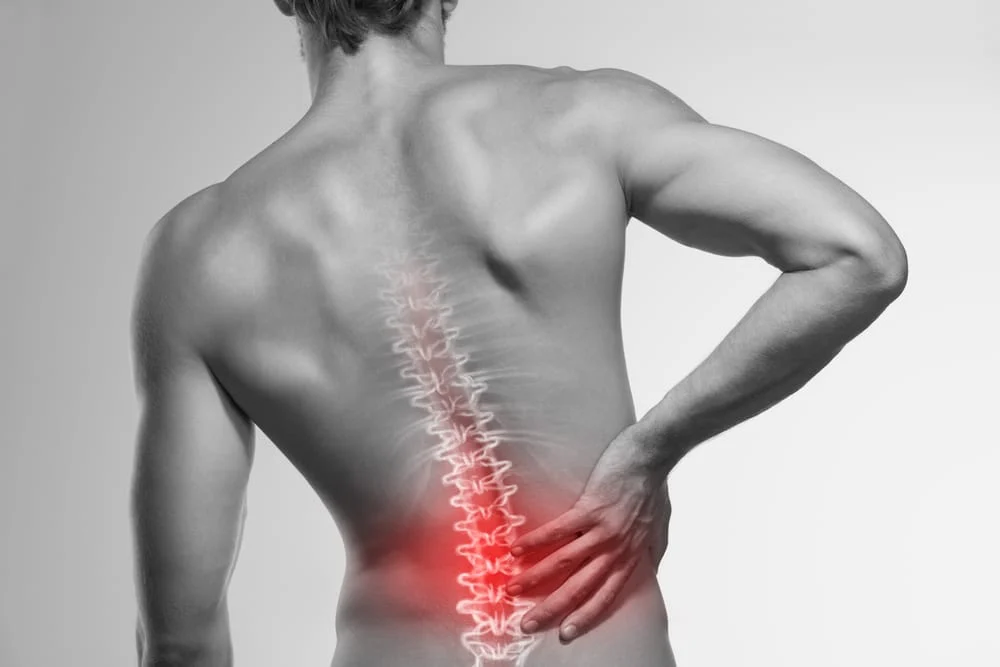
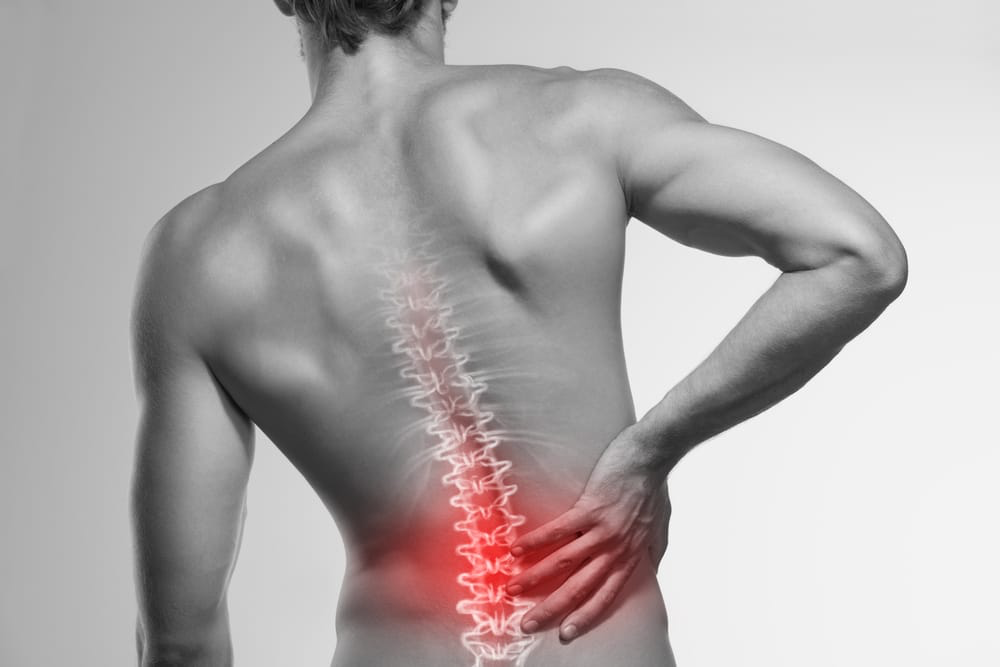
As a diagnostic gold standard, discography allows physicians to identify which specific intervertebral disc is the source of a patient’s back pain, ensuring that any subsequent intervention is accurately placed.
4. Image-Guided Injections
Whether using ultrasound or fluoroscopy, these injections ensure that anti-inflammatory agents or therapeutic medications are delivered exactly to the site of inflammation. This precision reduces the risk of side effects and increases the success rate of the treatment.
Official Responses and Clinical Perspectives
Industry experts and patient advocates have increasingly pointed toward the "SWFL model" as a blueprint for the future of chronic pain treatment.
"The traditional hospital environment is often cold, intimidating, and fragmented," notes a medical review published by Harborstyle Magazine. "The Southwest Florida Pain Center changes the patient’s psychological state the moment they walk through the door. By combining an artistic, soothing atmosphere with surgical-grade precision, they are addressing the holistic nature of the patient’s journey."
Physicians at the center emphasize that their role is to act as partners in a patient’s health. "We don’t just treat the spine or the joint," says a lead physician at the center. "We treat the person. When a patient arrives, they are often in a state of desperation. Our goal is to replace that desperation with a clear, personal treatment path that restores their ability to move, work, and engage with their families."
The center’s commitment to "aggressive" treatment does not mean reckless care; rather, it means a proactive diagnostic stance. By aggressively seeking the root cause rather than passively managing symptoms, they shorten the time patients spend in the "suffering phase."
Implications: The Future of Pain Management
The implications of the Southwest Florida Pain Center’s success are significant for the broader medical community.
Shifting the Burden of Care
By successfully managing pain without drugs, the center reduces the long-term burden on the healthcare system. Fewer patients requiring long-term opioid management means fewer secondary health issues, less reliance on physical therapy for drug-induced side effects, and a more robust recovery process.
The Standard of Convenience
The model of on-site surgical suites is setting a new expectation for patient care. Patients now expect their specialists to provide a seamless transition from consultation to procedure. This reduction in "care friction"—the process of being referred from a primary doctor to a clinic, then to a hospital, then to a pharmacy—is critical to maintaining patient compliance and positive outcomes.
Redefining the Environment
Perhaps the most overlooked, yet vital, implication of the center’s model is the importance of the physical environment. By prioritizing a "soothing" atmosphere, the center acknowledges that chronic pain creates a state of chronic stress. A healing environment is not just an aesthetic choice; it is a clinical intervention in itself, helping to lower cortisol levels and prepare the patient for successful treatment.
Conclusion
The Southwest Florida Pain Center is a testament to the fact that chronic pain is not an inevitable sentence to be served with pills. Through the integration of advanced technology, precise surgical intervention, and a deep respect for the patient experience, the center is helping redefine what a pain-free life looks like.
As healthcare continues to evolve, the focus must remain on these interventional models—approaches that are as precise as they are compassionate. For those in Southwest Florida and beyond, the message is clear: the path to recovery is paved with innovation, and the relief of chronic pain is not only possible but increasingly reachable. The future of medicine lies in these specialized, integrated centers where technology serves the patient, and the goal remains, above all else, the restoration of quality of life.