








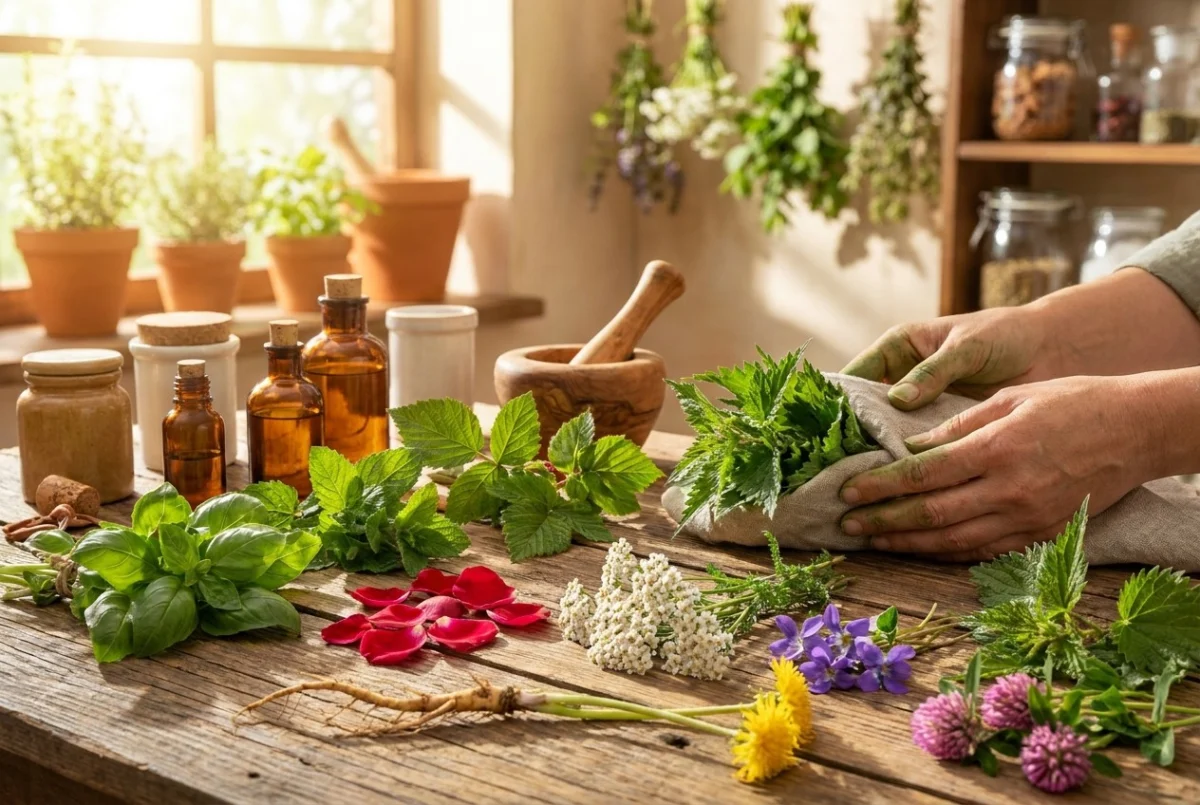
In an age characterized by fragile global supply chains, escalating geopolitical tensions, and the persistent threat of systemic disruption, the modern household’s reliance on centralized pharmaceutical distribution is increasingly viewed by some experts as a strategic vulnerability. As medicine shortages become a more frequent reality and access to basic healthcare commodities faces potential bottlenecks, a growing movement of self-reliance advocates is looking toward a timeless solution: the backyard pharmacy.
The concept, explored in depth during Episode 11 of the BrightU series, "The Health Ranger’s Guide to Surviving War, Famine, Plandemics and Grid-Down Scenarios," posits that the most vital tools for maintaining family wellness may not be found behind a pharmacy counter, but in the soil of one’s own garden.
Main Facts: The Resurgence of Traditional Herbalism
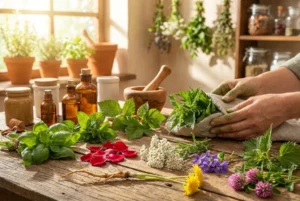
The core premise of the discussion, which featured natural medicine educator and Journal of Applied Natural Medicine founder Razi Berry, alongside hosts Mike Adams and Todd Pitner, is that the average backyard—or even a collection of windowsill containers—can serve as a primary resource for health maintenance.
The episode outlines a paradigm shift where individuals transition from passive consumers of healthcare products to active producers of traditional herbal remedies. The methodology involves mastering the basic arts of extraction, such as:
- Infusions (Teas): The simplest form of extraction, utilizing hot water to release volatile compounds.
- Decoctions: A method for extracting constituents from harder materials like roots, barks, and seeds by simmering them over longer periods.
- Tinctures: The use of alcohol or vinegar to draw out and preserve potent plant compounds.
- Salves and Infused Oils: The integration of plant properties into fats or waxes for effective topical application.
The central thesis is that these skills are not merely "homesteading hobbies" but essential survival competencies that provide a safety net when external supply chains falter.
A Chronological Perspective: From Ancient Roots to Modern Crisis
The historical reliance on medicinal plants predates the modern pharmaceutical industry by millennia. However, the current "crisis-preparedness" lens applied to herbalism is a relatively modern phenomenon.
- Pre-20th Century: Herbal medicine was the primary form of healthcare globally. The knowledge of identifying, drying, and preparing herbs was passed down through generations.
- Mid-20th Century: The industrialization of medicine led to the standardization of care, effectively pushing herbal knowledge to the fringes of society.
- 2020–Present: A convergence of events—ranging from global pandemics and subsequent supply-chain lockdowns to inflationary pressures—has renewed interest in "off-grid" medical readiness.
- November 24, 2023: This date marked the airing of the BrightU episode that formalized the argument for integrating gardening and herbalism into comprehensive survival planning. The discussion underscored that the best time to acquire these skills is while resources are still abundant and information remains freely accessible.
Supporting Data: Selecting the Foundation of Your Pharmacy
One of the most practical takeaways from the BrightU interview was the distillation of complex botanical knowledge into a manageable, actionable plan for beginners. Razi Berry emphasized that "analysis paralysis" is the primary barrier for many. By focusing on a few versatile, resilient plants, individuals can build a robust foundation.
The "Starter Pack" for the Backyard Apothecary
Berry recommended focusing on plants that serve dual purposes as both culinary staples and medicinal aids:
- Mint: Known for digestive health and its cooling, invigorating properties.
- Rosemary: A hardy, perennial herb with significant antimicrobial and antioxidant properties.
- Garlic: Often referred to as "nature’s antibiotic," it is essential for immune support and cardiovascular health.
- Thyme, Sage, and Chamomile: These plants offer support for respiratory, oral, and nervous system health, respectively.
- Ginger and Turmeric: Vital for managing inflammation and metabolic support.
Accelerating the Process: Technological Integration
While traditional herbalism is slow by nature, Mike Adams introduced a modern twist to the process. By utilizing an ultrasonic cleaner—a device typically used for cleaning jewelry or electronic parts—individuals can achieve in roughly 45 minutes an extraction efficiency that previously took weeks of maceration. This technological integration serves as a bridge between ancestral knowledge and modern efficiency, potentially increasing the speed of producing tinctures in an emergency scenario.
Official Perspectives and Expert Guidance
The BrightU episode is part of a larger, systemic effort to educate the public on "grid-down" scenarios. Mike Adams, often known as "The Health Ranger," argues that the modern world is fundamentally unprepared for a total collapse of logistical networks.
"Knowledge is the most valuable currency," Adams stated during the broadcast. His approach emphasizes that while stockpiling food and medicine is prudent, those supplies will eventually run out. The ability to cultivate, harvest, and process medicine creates a "renewable" resource model.
However, the experts involved were careful to include necessary disclaimers. Traditional herbal preparations are not replacements for acute, life-saving emergency medical treatments. The program stresses that:
- Proper Identification is Critical: Consuming the wrong plant can be fatal.
- Dosage Matters: Natural does not automatically mean safe; practitioners must understand the potency of what they are using.
- Professional Guidance: While self-reliance is the goal, one should always seek consultation with qualified medical professionals for chronic conditions or serious illnesses.
Implications: The Shift Toward Decentralized Health
The implications of this movement are significant. If a large segment of the population were to adopt these practices, it would fundamentally alter the relationship between the individual and the medical establishment.
1. The Decentralization of Healthcare
By shifting the focus to home-based herbal remedies, families reduce their dependency on global logistics. In the event of a national emergency or supply chain failure, households with a functioning "backyard pharmacy" gain a significant buffer, allowing them to manage minor ailments without relying on overburdened or inaccessible clinics.
2. The Educational Necessity
The BrightU series emphasizes that survival is not just about physical hardware (generators, solar panels, food stores); it is about "software"—the intellectual capital required to operate in a low-tech environment. The inclusion of hydroponic systems, such as the Kratky method (which allows for the growth of herbs without electricity or pumps), demonstrates how even urban dwellers with limited space can contribute to their own health security.
3. Community and Resilience
Beyond the individual household, the propagation of this knowledge fosters community resilience. When neighbors possess the skills to grow and prepare medicine, the entire community becomes more robust. The exchange of seeds, dried herbs, and knowledge creates a localized network that is far more resistant to external shocks than the centralized, top-down models of the current global economy.
Conclusion: A New Standard for Preparedness
As the world continues to navigate a period of heightened instability, the lessons provided by the BrightU series serve as a roadmap for those looking to reclaim a measure of control over their personal health. Whether it is through the simple act of growing mint on a windowsill or the more complex process of utilizing ultrasonic extraction for medicinal tinctures, the message is clear: the path to resilience starts at home.
The transition toward a more self-reliant lifestyle requires patience, study, and a willingness to step away from the convenience of modern consumerism. However, for those who choose to invest the time, the backyard pharmacy offers something that no prescription bottle can: the peace of mind that comes with knowing you possess the skills to care for your family, regardless of the state of the world outside.
For those interested in exploring these strategies in full, the "Health Ranger’s Guide to Surviving War, Famine, Plandemics and Grid-Down Scenarios" offers a comprehensive curriculum, spanning 17 videos and extensive supplementary materials designed to turn theoretical knowledge into tangible survival readiness. In a time where the future remains uncertain, the most radical act of preparedness may simply be planting a garden.