












As the global population ages, the challenge of long-term care (LTC) has shifted from a private family concern to a significant societal milestone. With millions of Americans navigating the complexities of assisted living, memory care, and skilled nursing, the need for clear, actionable guidance has never been more pressing.
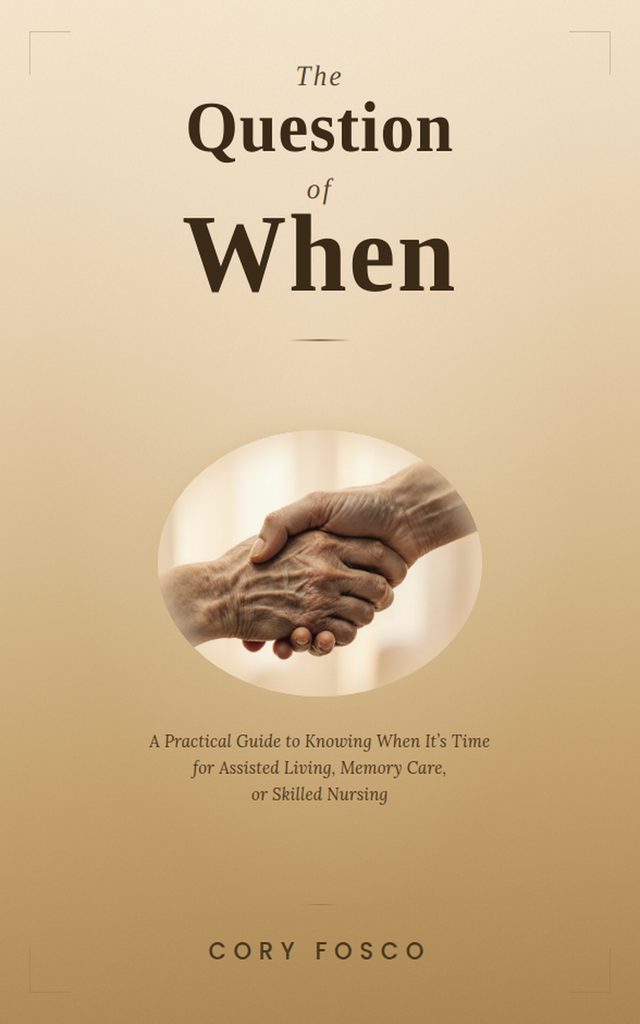
In the August episode of the "Caregiving Club On Air" podcast, host Sherri Snelling sits down with expert Cory Fosco, author of the pivotal new guide, The Question of When: A Practical Guide To Knowing When It’s Time For Assisted Living, Memory Care or Skilled Nursing. Released in anticipation of National Assisted Living Week (September 13–19), the interview provides a roadmap for families standing at the crossroads of senior care.
The Evolution of Long-Term Care: A Chronology of Challenges
The journey toward professional care is rarely linear. It often begins with subtle "red flags"—a missed medication, an uncharacteristic lapse in hygiene, or a minor fall—that gradually escalate into a crisis.
For decades, the standard response was reactive, often triggered by an emergency room visit or a sudden health decline. However, the current landscape of caregiving, as discussed by Fosco and Snelling, emphasizes the shift toward "proactive preparation." By identifying the "Four Signal Categories"—a checklist developed by Fosco—families can move away from crisis management and toward informed, intentional decision-making.

Understanding the progression of care is critical. It begins with the initial assessment of needs, moves through the evaluation of financial readiness, transitions into the selection of a facility, and concludes with the integration of the loved one into their new environment. This chronological progression, when managed with the right information, transforms a traumatic life event into a structured transition.
Supporting Data: The Scale of Senior Living
To understand the gravity of these decisions, one must look at the numbers. According to data provided by the American Health Care Association (AHCA) and the National Center for Assisted Living (NCAL), between 2 and 3 million older adults currently reside in some form of senior living or long-term care community. Specifically, over 1 million individuals reside in more than 41,000 assisted living communities nationwide.
These figures underscore a massive industry infrastructure that often feels impenetrable to the layperson. The financial implications are equally daunting. The Genworth/Care Scout Cost of Care Survey remains the gold standard for families attempting to project future expenses. The 2025 national averages indicate that the cost of care is highly variable, influenced by geography, level of acuity, and facility amenities. Whether it is adult day care, home health services, assisted living, or full-scale nursing home care, costs are rising, necessitating a multi-year financial strategy rather than an eleventh-hour scramble.
Professional Guidance and Expert Oversight
One of the most significant barriers to effective care planning is the "expert gap." Many families are unaware that they do not have to navigate these waters alone.
The Role of the Geriatric Care Manager
Professional Geriatric Care Managers (PGCMs)—often social workers with specialized credentialing in aging—act as the "navigators" of the senior care industry. As Snelling and Fosco highlight, these professionals provide an objective, local perspective that can cut through the noise of marketing materials and sales pitches. They assist families in:
- Conducting comprehensive needs assessments.
- Interpreting complex facility contracts and hidden costs.
- Facilitating family meetings to align expectations among siblings and other stakeholders.
- Advocating for the senior’s quality of life.
The Aging Life Care Association serves as the primary hub for connecting families with these professionals. Furthermore, many modern employers have begun to recognize the "sandwich generation" struggle, offering access to GCMs as a standard employee benefit.
Official Perspectives: Navigating the Maze
During the podcast, Fosco emphasizes that "The Question of When" is not just about the health of the senior; it is about the health of the caregiver. Burnout is a silent epidemic. By failing to acknowledge when a home environment is no longer safe or sustainable, caregivers risk their own physical and mental well-being.
The consensus among industry experts is that transparency is the most important factor in selecting a facility. Families are encouraged to utilize resources like the Eldercare Locator (eldercare.gov) to find local support and to scrutinize state-provided ratings. While there are various third-party ranking sites, the most reliable data often comes from state survey reports, which document health inspections and compliance records.
Implications for the Future of Caregiving
The dialogue between Snelling and Fosco arrives at a time when the "Caregiving Club On Air" has reached a significant milestone, ranking third among the top 80 caregiving podcasts globally according to Feedspot. This popularity reflects a growing cultural shift: caregiving is no longer a peripheral activity but a central component of the American experience.
The Rise of Digital Advocacy
With the transition of news segments like "Caregiver Wellness" and "Well Home Design" to the dedicated "Caregiving Club News" YouTube channel, the availability of free, high-quality information is at an all-time high. This democratization of knowledge is vital. When caregivers are educated, they are empowered to demand better standards of care, ask the right questions during facility tours, and prioritize their own self-care routines.
Policy and Practice
The implications of these discussions reach into the workplace as well. As the "Sandwich Generation"—those caring for both children and aging parents—becomes the dominant demographic in the workforce, the pressure on companies to provide support systems for caregivers will only grow. Organizations that fail to acknowledge this will struggle with retention and employee burnout.
Conclusion: A Proactive Approach to "The Question of When"
"The Question of When" is not a question that can be answered in a vacuum. It requires a synthesis of medical data, financial planning, and candid family communication. As Fosco advises, the time to start asking these questions is long before the need becomes acute.

By leveraging professional resources like Geriatric Care Managers, utilizing standardized cost-of-care data, and engaging with educational content from platforms like the Caregiving Club, families can transition from a state of reactive stress to a position of informed strength.
As we approach National Assisted Living Week, let us reflect on the necessity of these conversations. Whether you are currently navigating the search for memory care or simply starting to consider the long-term needs of your loved ones, the message remains clear: you are not alone, and with the right tools, the path forward becomes significantly clearer.
Quick Reference Resource Links
- Cory Fosco’s Official Site: coryfosco.com
- The Four Signal Categories Checklist: Download here
- Aging Life Care Association: aginglifecare.org
- Eldercare Locator: eldercare.gov | 1-800-677-1116
- Genworth Cost of Care Survey: carescout.com/cost-of-care
- Caregiving Club YouTube Channel: Subscribe for Updates
For more on maintaining your own mental health while caring for others, explore Sherri Snelling’s "Me Time Monday" series, designed to help family caregivers combat loneliness and improve their health through simple, consistent wellness routines.