







For millions of adults worldwide, the nightly struggle with Obstructive Sleep Apnea (OSA) is a significant barrier to health and quality of life. Characterized by repeated breathing interruptions throughout the night, OSA is often physically linked to weight-related factors, particularly excess adipose tissue around the neck and throat.
In recent years, the medical community has shifted its gaze toward a new frontier in treatment: Glucagon-like peptide-1 (GLP-1) receptor agonists. While medications like Ozempic have captured headlines for their efficacy in weight management and diabetes care, their role in treating sleep apnea has become a subject of intense clinical scrutiny. This article explores the relationship between these medications, insurance coverage hurdles, and the broader implications for patient care.
Main Facts: The Clinical Connection Between Weight and Sleep
Obstructive Sleep Apnea occurs when the muscles in the back of the throat fail to keep the airway open during sleep. While anatomical factors play a role, obesity is one of the most significant risk factors. Approximately 31% of individuals with OSA live with obesity, and 44% are considered overweight.
The mechanism is straightforward: excess tissue around the neck compresses the airway, causing breathing to pause for 10 to 30 seconds at a time. These "apneic events" deprive the body of oxygen, trigger a stress response, and prevent deep, restorative sleep.
Current clinical research highlights a powerful correlation: weight loss directly correlates with improved airway patency. A comprehensive study review found that a 20% reduction in Body Mass Index (BMI) resulted in a 57% reduction in the severity of sleep apnea symptoms. This is where GLP-1 receptor agonists enter the conversation. By mimicking hormones that regulate appetite and blood sugar, these drugs facilitate significant weight loss, which, in turn, can physically alleviate the pressure on the airway.

Chronology: The Evolution of GLP-1s in Sleep Medicine
The journey of GLP-1s from diabetes management to potential sleep apnea therapy has been rapid:
- Initial Discovery: GLP-1s were first developed to manage type 2 diabetes by stimulating insulin release and curbing appetite.
- The Weight Loss Pivot: Clinical trials consistently observed significant, unintended weight loss in patients taking these medications, leading to their repurposing for obesity management.
- The 2024 Milestone: A pivotal moment occurred in 2024 when the U.S. Food and Drug Administration (FDA) approved tirzepatide (brand name Zepbound) specifically for the treatment of moderate to severe OSA in adults with obesity. This marked a historic shift, moving GLP-1s from "off-label" weight-loss aids to recognized, evidence-based treatments for sleep-disordered breathing.
- Ongoing Research: As of late 2024, researchers are continuing to differentiate between various GLP-1s. Studies indicate that not all agents are equal; for instance, tirzepatide has shown superior outcomes in reducing sleep apnea severity compared to older agents like liraglutide (Saxenda).
Supporting Data: Why Efficacy Varies
While the general class of GLP-1s is effective for weight loss, the specific clinical benefits for OSA vary. Clinical trials have demonstrated that medications like Zepbound do more than just lower the scale; they improve markers of metabolic health that often exacerbate sleep apnea, such as high blood pressure and excessive daytime sleepiness.
Data shows that the "Apnea-Hypopnea Index" (AHI)—the primary metric used to diagnose and grade the severity of sleep apnea—decreases significantly following the sustained weight loss achieved through GLP-1 therapy. However, experts emphasize that these drugs are not "magic bullets." They are most effective when paired with lifestyle modifications, as the sustained loss of fat tissue is what ultimately provides the long-term relief for the airway.
The Insurance Landscape: Navigating Coverage Challenges
One of the most pressing questions for patients is whether insurance will foot the bill for these expensive treatments.
Is Ozempic Covered?
The short answer is: generally, no. Ozempic is FDA-approved solely for the treatment of type 2 diabetes. Because it lacks an FDA indication for sleep apnea or general weight loss, most insurers will not cover it for those specific conditions.
The Shift Toward Zepbound
Since the FDA approved Zepbound for OSA, the insurance landscape is beginning to evolve. However, coverage is rarely automatic. Most insurers require a process known as prior authorization, where a healthcare provider must submit evidence that the medication is medically necessary. Common hurdles include:
- BMI Thresholds: Requiring a patient to have a specific BMI range to qualify.
- CPAP Failure/Intolerance: Proving that the patient has tried, and failed, to use standard CPAP therapy.
- Structured Programs: Requiring proof that the patient has already participated in diet and exercise programs without success.
How to Check Your Coverage
- Review the Formulary: Log into your insurance portal and search for your plan’s "formulary," a list of covered drugs.
- Contact Member Services: Call the number on the back of your insurance card. Specifically ask about the "Prior Authorization criteria" for GLP-1 medications.
- The Appeal Process: If a claim is denied, you have the right to appeal. If your doctor can document that your sleep apnea is a major health risk—and that you have other comorbidities like hypertension or diabetes—an appeal can occasionally overturn an initial denial.
Official Responses and Medical Perspectives
Medical organizations generally caution that while GLP-1s are a promising tool, they should be viewed as part of a comprehensive treatment plan. The consensus among sleep specialists is that CPAP remains the gold standard for immediate symptom relief. Medications take time to work, and during that time, a patient’s airway remains at risk of collapse.
Therefore, many doctors suggest a "bridge" approach: using a CPAP machine for safety and symptom management while utilizing GLP-1s for long-term weight reduction. Once significant weight loss is achieved, the patient can then work with their doctor to re-evaluate their need for CPAP.
Implications: A New Era of Sleep Health
The integration of weight-loss medications into sleep medicine represents a fundamental change in how we treat chronic conditions. Instead of treating only the symptoms (the lack of oxygen during sleep), we are increasingly able to treat the root cause (obesity).
The Financial Reality
The financial burden remains a significant barrier. Without insurance, costs can reach several hundred dollars per month. Even with coverage, copays and deductibles vary wildly. Patients are encouraged to be proactive, utilizing resources like the manufacturer’s savings programs, which can sometimes reduce out-of-pocket costs for those who qualify.

Lifestyle as a Foundation
Despite the popularity of these drugs, the foundation of success remains consistent:
- Caloric Deficit: Creating a sustainable gap between intake and output.
- Exercise: The Department of Health and Human Services recommends 150–300 minutes of moderate-intensity activity weekly. Resistance training is particularly highlighted for its role in boosting metabolic rate.
- Monitoring: Regular follow-ups with a sleep specialist are essential to monitor the reduction in AHI and determine if current treatments are still appropriate.
Final Considerations
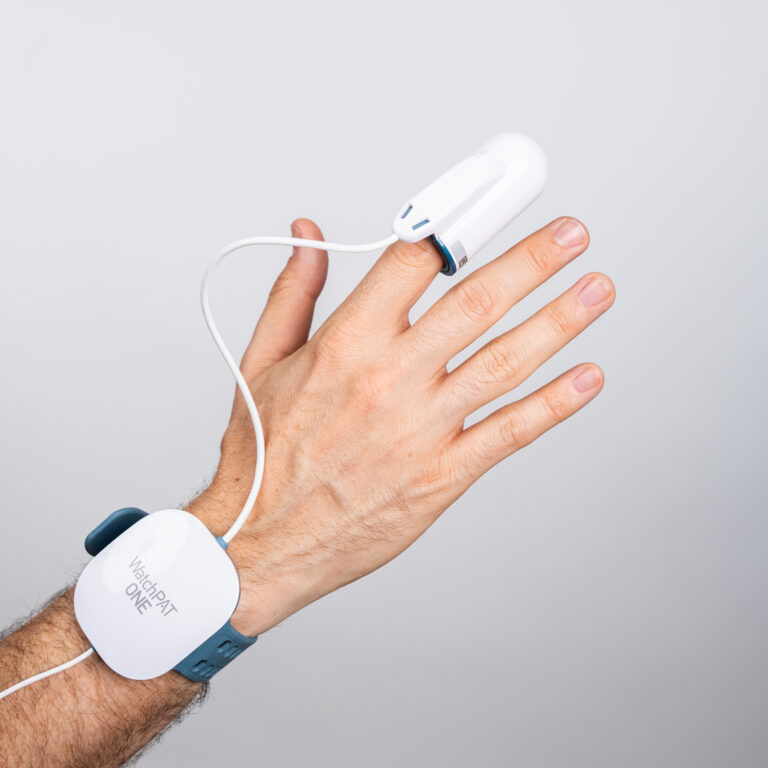
If you suspect you have sleep apnea, the first step is always a formal diagnosis. Home sleep tests have become more accessible and affordable, allowing patients to begin the diagnostic process without the need for an overnight stay in a clinical sleep lab.
As we move forward, the collaboration between endocrinologists, who manage the GLP-1s, and sleep specialists, who monitor the OSA, will be the key to ensuring that these innovative medications are used safely and effectively. While the path to insurance coverage may be complex, the potential for better sleep, improved heart health, and a higher quality of life makes the journey well worth the effort.
Disclaimer: This article is for informational purposes only and does not constitute medical advice. Always consult with a licensed healthcare provider before beginning any new medication or altering your current treatment plan for sleep apnea.