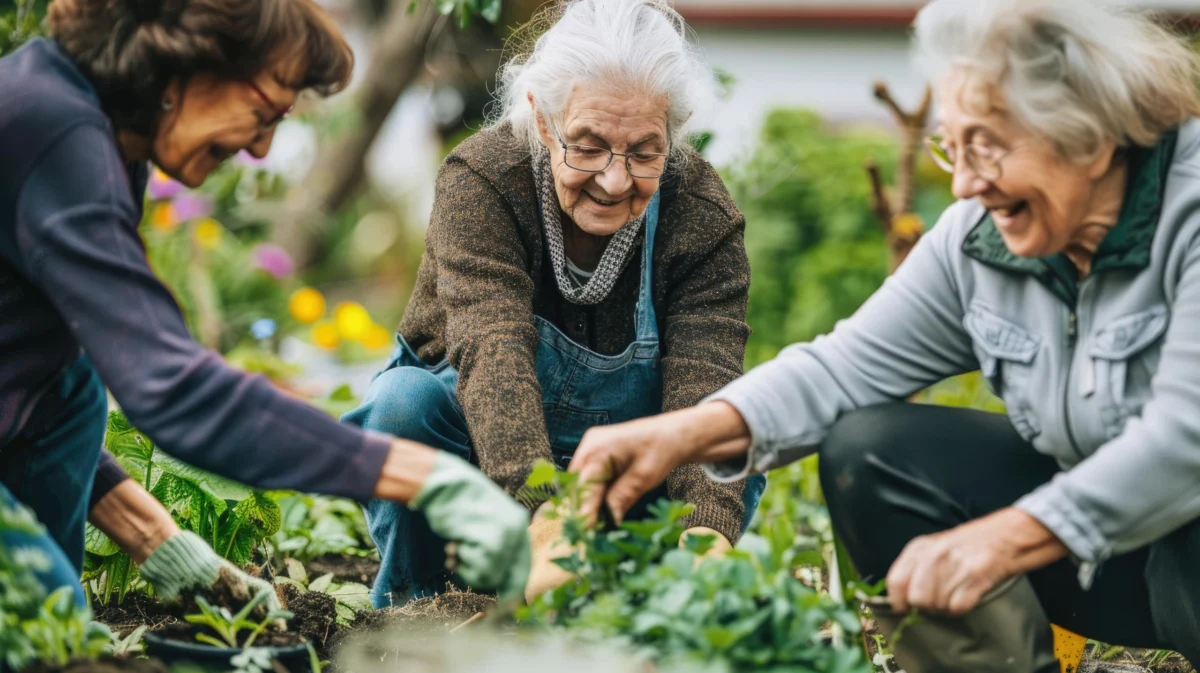
For many, Earth Day evokes a nostalgic sensory experience: the smell of freshly turned soil, the tactile sensation of seeds between small fingers, and the pride of planting a sapling that would outlive the school year. These childhood lessons were often framed as "saving the planet," but as we age, the narrative shifts. It turns out that the simple, humble act of gardening is not just an environmental service—it is a profound intervention for healthy aging.
As April brings both Earth Day and Occupational Therapy Month into focus, a growing body of research suggests that getting our hands dirty is one of the most effective ways to nurture our mental, physical, and social health in our later years.
The Science of Growth: Key Findings on Gardening and Mental Health
A recent, pivotal study published in the American Journal of Occupational Therapy (AJOT) has provided empirical weight to what many green-thumbed seniors have long felt intuitively: gardening acts as a potent catalyst for psychological restoration.
The study, which utilized a case series methodology, tracked four residents living in a transitional, supported-living facility over a five-week period. By participating in a structured gardening group therapy program, participants reported significant improvements in their overall sense of hope, life satisfaction, and social participation. Researchers concluded that gardening serves as a vital "avenue for hope and self-fulfillment," proving that the benefits of nurturing a plant extend far beyond the harvest.
Chronology of a Therapeutic Intervention: The 5-Week Model
To understand the transformative power of this activity, it is helpful to look at the progression observed in the AJOT study. The intervention was not merely about planting flowers; it was a carefully curated occupational therapy program designed to integrate social, physical, and cognitive engagement.
- Week 1: Preparation and Connection. Participants were introduced to the garden space. The focus was on setting intentions, selecting plants, and establishing a baseline for social interaction. For those in supported living, the initial act of "claiming" a space in the garden served to combat feelings of isolation.
- Weeks 2-3: The Habituation Phase. As seeds were sown and initial maintenance began, the participants engaged in repetitive, rhythmic tasks. This phase is crucial for motor skill development and the cultivation of patience—a key psychological shift for those struggling with the loss of autonomy often felt in transitional housing.
- Weeks 4-5: Reflection and Synthesis. By the final weeks, the tangible results of the gardening (early sprouts, cleaner soil, organized plots) became visible. Participants reported a shift in their internal dialogue, moving from a focus on their limitations to a focus on their contributions. The garden became a mirror for their own resilience.
Supporting Data: Why Gardening Works
The therapeutic value of gardening is supported by a convergence of physiological and psychological evidence.
1. The Physical "Sneak Attack"
Gardening is a masterclass in functional fitness. It is often described as "sneaky exercise" because the intensity is easily modulated to individual capability. The use of a hand trowel against potting mix provides resistance, which is essential for maintaining fine motor skills and hand dexterity. Reaching, bending, and squatting—especially when utilizing raised beds—promote core stability and flexibility without the high impact of traditional gym routines.
2. Social Participation and Cognitive Stimulation
Loneliness is a significant health risk for the elderly, often cited as being as damaging as smoking or obesity. A community garden provides a "third place"—a social environment separate from home and medical facilities—where conversation occurs naturally. Discussions about plant varieties, pest control, or weather patterns provide intellectual stimulation, keeping the mind sharp and engaged.
3. Nutritional Sovereignty
When seniors grow their own produce, they are not just consuming vegetables; they are consuming autonomy. Fresh, preservative-free food—harvested at the peak of ripeness—offers a superior nutritional profile compared to grocery store produce. For immune systems that require extra support during the aging process, this access to nutrient-dense, locally grown food is a clear clinical win.
The Role of Occupational Therapy in Aging
April is also Occupational Therapy (OT) Month, providing a perfect backdrop to discuss how "occupations"—the meaningful activities of daily life—are the bedrock of health. Occupational therapists do not just help people recover from injury; they help individuals adapt their environments and habits to live as fully as possible.
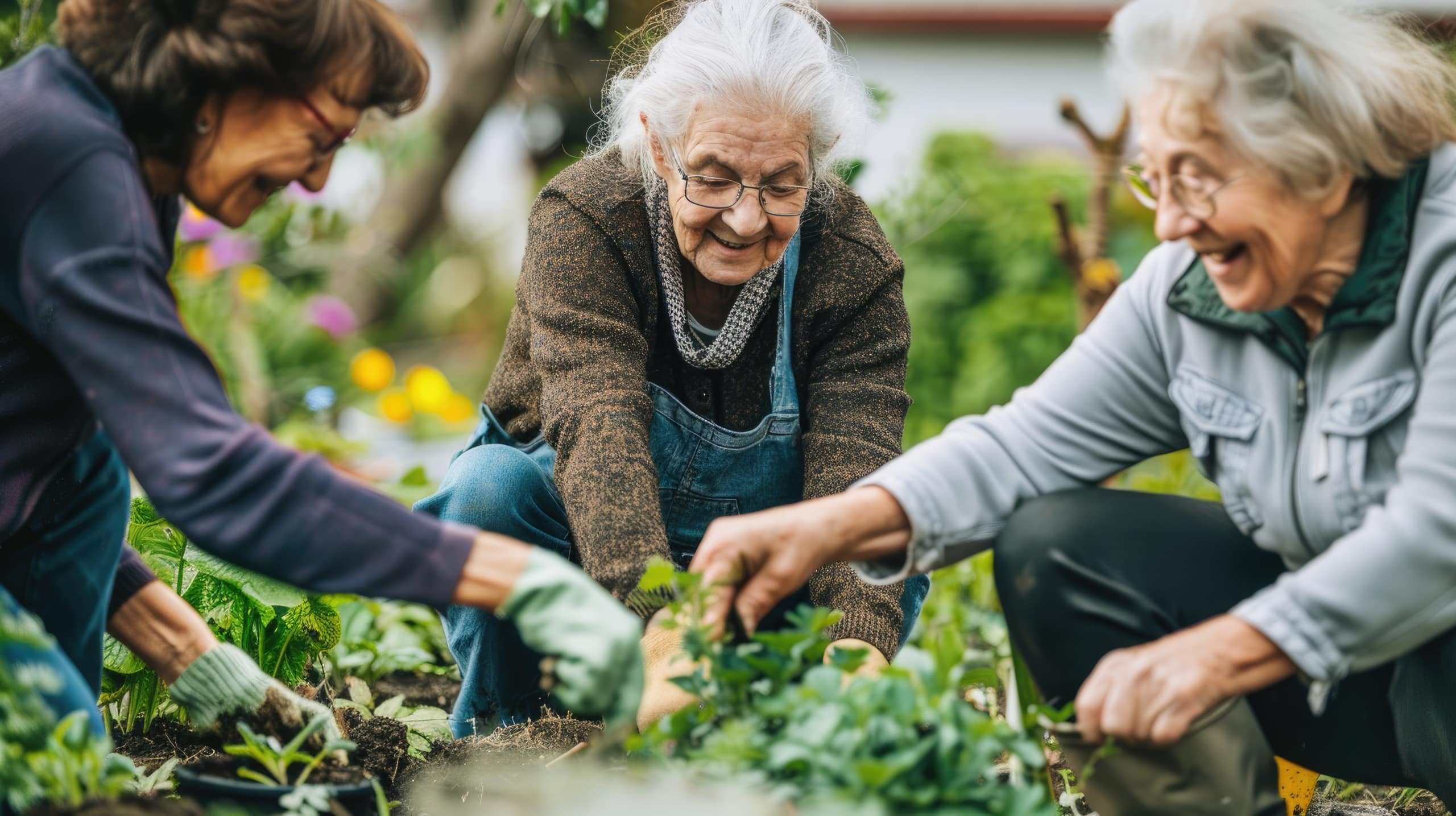
"Gardening is a classic ‘occupation’ because it is goal-oriented, requires sequencing and planning, and offers immediate, tangible feedback," notes the professional community. When an occupational therapist facilitates a gardening group, they are essentially prescribing a multi-modal health intervention that addresses mobility, cognitive health, and emotional regulation simultaneously.
Official Perspectives and Implications
Health organizations, including the National Institute on Aging (NIA), have increasingly pivoted toward nature-based interventions as a low-cost, high-reward strategy for public health. The implications for assisted living facilities and retirement communities are profound.
By integrating green spaces into the design of living facilities, providers can reduce reliance on pharmacological interventions for mild depression and anxiety. Furthermore, the practice promotes "active aging," a paradigm shift that moves the focus from managing decline to maximizing functional capacity.
Safety First: A Note for Seniors
While the benefits are vast, safety remains paramount. The NIA emphasizes that outdoor recreation must be approached with mindfulness. For those embarking on a gardening journey, the following guidelines are essential:
- Hydration: Seniors are more susceptible to heat-related illness. Always keep water nearby.
- Sun Protection: Proper clothing, hats, and sunscreen are non-negotiable, even on overcast days.
- Ergonomics: Utilize raised beds to minimize the need for deep bending, and use lightweight, ergonomic tools designed to reduce joint strain.
- Pacing: Listen to the body. Gardening should be a source of joy, not physical depletion.
Looking Toward the Future: A Call to Action
As we celebrate Earth Day this April 22, the message is clear: the garden is not just a place to grow food; it is a place to grow ourselves. Whether it is a small pot of basil on a windowsill or a shared plot in a community garden, the act of planting seeds is an act of optimism. It is a declaration that the future matters and that we have a role in shaping it.
For older adults, this spring offers an invitation to step outside. The weeds that need pulling, the flowers that need trimming, and the herbs that need planting are more than chores—they are opportunities to engage with the world, connect with neighbors, and reclaim a sense of purpose that is essential to the human experience.
As we move forward, the integration of gardening into aging-in-place strategies and residential care programs should be a priority for public health officials. By fostering a connection to the earth, we are not just honoring the environment; we are building a more resilient, connected, and vibrant society of elders who continue to grow and bloom long after their "elementary school days" have passed.
Further Resources
For those interested in starting their own gardening journey, the National Institute on Aging offers comprehensive guides on safe outdoor exercise, ensuring that your time in the garden remains a source of vitality and health for years to come.
Katie Riley serves as Vice President of Communications for the Alliance, advocating for the intersection of healthy aging and environmental engagement.