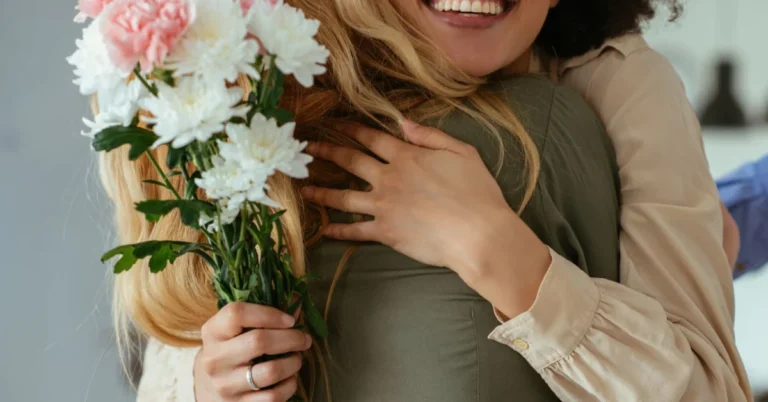








In the immediate wake of the tragic school shooting in Uvalde, Texas, the national mood was characterized by a heavy, pervasive sense of helplessness. It was during this period of collective mourning that I met a friend for coffee. She arrived damp and shivering, having been caught in a sudden rainstorm while riding a CitiBike across the city. When I asked about her day, she simply replied that she had been out performing “acts of love.”
She explained that she had spent the afternoon delivering flowers to a friend who was struggling, an attempt to inject a deliberate, tangible sense of beauty into a world that felt increasingly defined by tragedy. Her story serves as a microcosm for a burgeoning movement: in an era defined by geopolitical instability, economic anxiety, and social fragmentation, individuals are increasingly turning to intentional kindness as a necessary, and scientifically validated, mechanism for survival.
The Architecture of a Crisis: Why We Feel So Heavy
To understand the current appetite for radical kindness, one must first confront the data regarding the state of global and domestic mental health. The last several years have functioned as a "perfect storm" for psychological distress. The COVID-19 pandemic did not merely isolate us; it fundamentally altered the fabric of human connection. According to data from the Kaiser Family Foundation, the landscape of mental health shifted dramatically between 2019 and the present.
In 2019, approximately 11 percent of adults reported symptoms of anxiety or depression. That number has since surged to over 30 percent. This rise is mirrored in other harrowing statistics: overdose deaths involving synthetic opioids remain at record highs, and the U.S. suicide rate climbed 30 percent between 2000 and 2020.
Beyond the internal struggle, the external environment feels increasingly hostile. The relentless cycle of inflation, the harrowing realities of the Russia-Ukraine war, the existential threat of the climate crisis, and the algorithmic volatility of social media have created a sense of "compassion fatigue." When the world feels like a cruel, bitter place, the psychological default is often to withdraw. However, experts suggest that this withdrawal is exactly what exacerbates the problem, and that small, targeted acts of kindness offer a path back to societal cohesion.
A History of Human Connection
The philosophy of kindness is not a modern invention, but its formalization as a counter-cultural movement dates back to the early 1980s. In 1982, author Anne Herbert coined the phrase "Random Acts of Kindness" in her seminal book, Random Kindness and Senseless Acts of Beauty. Herbert’s premise was that if the world is capable of senseless violence, it is equally capable of, and arguably more in need of, senseless acts of beauty—actions performed without an expectation of reward or recognition.
Decades later, this movement has been professionalized and scaled. Organizations like Lady Gaga’s Born This Way Foundation have institutionalized this impulse through initiatives like the #BeKind21 appeal. By inviting participants to commit to one act of kindness every day for the first 21 days of September, the foundation promotes the idea that kindness is a habit to be cultivated, not a feeling to be waited for. Their guiding motto—"The world has been heavy. Let’s lift each other up"—serves as both a social mission and a psychological directive.
The Biological and Psychological Implications
The impact of kindness is not merely philosophical; it is physiological. A growing body of clinical research confirms that the "helper’s high" is a verifiable biological phenomenon.
The Neurochemistry of Altruism
When we perform a kind act, our brains undergo a chemical shift. Engaging in altruistic behavior triggers the release of neurotransmitters that are essential for our emotional regulation:
- Oxytocin: Known as the "love hormone," it promotes social bonding and empathy.
- Dopamine: This chemical is associated with the brain’s reward system, reinforcing the behavior by creating a sense of pleasure.
- Serotonin: This neurotransmitter helps stabilize our mood and feelings of well-being.
Clinicians note that these substances do more than just make us feel "good"; they can actually aid in pain relief and lower stress markers. By engaging in acts of kindness, we are essentially hacking our own biology to counteract the cortisol-heavy stress of modern life.
Data-Driven Benefits
Research from United Healthcare offers a compelling argument for the health benefits of volunteering. In their surveys, 68 percent of self-identified volunteers reported that their work made them feel physically healthier, while 89 percent noted a marked improvement in their mental well-being. Furthermore, these individuals reported fewer instances of anxiety and improved sleep quality—two of the most common complaints in the post-pandemic era.
A landmark study from Japan, published in the Journal of Happiness Studies, introduced the concept of "counting kindnesses." Participants were asked to track the number of kind acts they performed over a single week. The findings were profound: simply noticing and quantifying one’s own kindness created an "upward spiral" of gratitude and achievement. By focusing on our own capacity to effect change, we shift our narrative from one of victimhood to one of agency.
Youth Perspectives: The Harris Poll Findings
Perhaps the most telling data comes from a collaborative study between the Harris Poll and the Born This Way Foundation, which surveyed over 2,000 young people aged 13–24. The results debunk the myth that younger generations are desensitized by technology.
Instead, the study found that young people view kindness as a primary coping mechanism for the crises they are inheriting. When asked what would improve their mental wellness, 73 percent cited receiving kindness from others, 74 percent cited practicing self-kindness, and 71 percent highlighted the importance of observing kindness in the world around them. For Gen Z and young Millennials, kindness is not a "soft" skill; it is a vital tool for mental health maintenance in an unstable world.
The Ripple Effect: How to Build a Culture of Care
If we accept that we cannot single-handedly solve the global climate crisis or end regional wars, we must embrace the power of the "ripple effect." Small, intentional actions influence those around us, creating a chain reaction of positive behavior.
Practical Applications for Daily Life
Creating an upward spiral of energy does not require grand gestures or significant financial expenditure. It requires presence and intention:
- Micro-affirmations: A genuine compliment to a stranger or a colleague can alter the trajectory of their entire day.
- The "Counting" Method: As the Japanese study suggests, keep a journal of the small things you do for others. It serves as a reminder that you have influence over your environment.
- Digital Decorum: Use social media to amplify positive stories rather than participating in inflammatory arguments.
- Active Listening: In a world where everyone is shouting, the act of truly listening to someone—without the intent to rebut—is one of the most profound acts of kindness available.
Conclusion: The Final Verdict
The novelist Henry James once famously summarized the essential nature of human existence: "Three things in human life are important: The first is to be kind; the second is to be kind; and the third is to be kind."
While James wrote these words over a century ago, they have never felt more urgent. We are currently navigating a period of unprecedented societal stress, where the systems designed to support us often feel insufficient. In this void, we have two choices: we can allow the bitterness of the news cycle to harden us, or we can use our capacity for kindness to act as a buffer against that darkness.
Kindness is not a cure-all for the world’s systemic ills, but it is the bedrock upon which any meaningful recovery must be built. By choosing to act with intentional grace, we not only improve the lives of those around us, but we also rewire our own nervous systems, moving from a state of anxious reactivity to one of empowered connection. As we move forward, let our legacy be defined not by the cruelty we observed, but by the beauty we were brave enough to create.