In a landmark study that bridges the gap between metabolic thermogenesis and skeletal biology, an international team of researchers has identified a molecular "switch" that activates a hidden energy-burning system within brown fat. This discovery, published in the prestigious journal Nature, not only refines our understanding of how the human body regulates temperature but also unveils a promising new therapeutic avenue for treating debilitating bone diseases.
Led by Lawrence Kazak, an Associate Professor in the Department of Biochemistry and a Canada Research Chair in Adipocyte Biology at McGill University’s Rosalind and Morris Goodman Cancer Institute, the research team has successfully mapped the activation mechanism of the "futile creatine cycle"—an alternative heat-producing pathway that operates independently of the classic system long recognized by science.
The Science of Heat: Understanding Brown Fat
To understand the significance of this discovery, one must first distinguish between the body’s two primary types of adipose tissue. White fat serves as the body’s long-term energy storage, accumulating calories for later use. Brown fat, conversely, acts as a metabolic furnace. When the body encounters cold, brown fat cells burn glucose and fatty acids to generate heat, a process known as thermogenesis.
For decades, the scientific consensus held that this process relied on a single biological pathway involving the protein UCP1. However, recent physiological observations hinted at the existence of a secondary, backup system. While researchers identified the "futile creatine cycle" as this second engine, the specific molecular "on switch" remained elusive—until now.
A Chronology of Discovery: From Fat Metabolism to Enzyme Interaction
The journey to this discovery began with the study of glycerol, a byproduct of fat metabolism. During cold exposure, the body breaks down stored fat, releasing glycerol into the system. The research team, collaborating with McGill structural biologist Alba Guarné, sought to determine if glycerol served a signaling function beyond being a simple metabolic byproduct.
The Glycerol Pocket
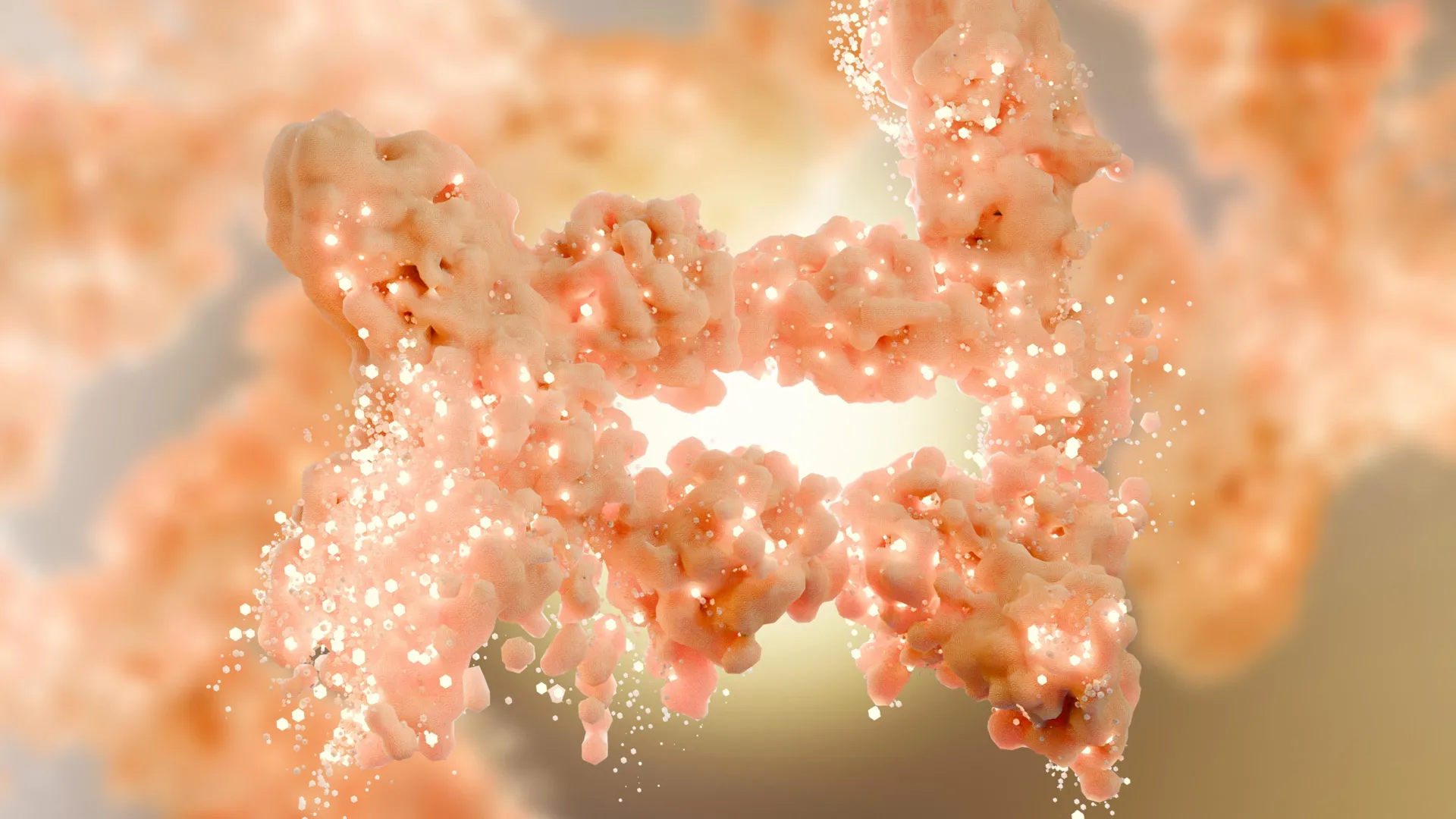
Through advanced structural analysis, the team identified a specific region on the enzyme TNAP (tissue-nonspecific alkaline phosphatase), which they dubbed the "glycerol pocket." They discovered that when glycerol binds to this pocket, it triggers an enzymatic reaction that activates the alternative heat-producing pathway.
This finding represents a paradigm shift. It proves that the body utilizes metabolic byproducts as internal signals to modulate energy expenditure, effectively creating a feedback loop that adjusts internal heating based on real-time fat consumption.
Supporting Data: The Dual Role of TNAP
The implications of the study extend far beyond adipose tissue. TNAP is a well-characterized enzyme in the world of skeletal biology. It is essential for calcification—the process through which the body deposits minerals to build and harden bone.
The researchers discovered that the same glycerol-binding mechanism that regulates heat in brown fat also directly influences the cells responsible for bone mineralization. This dual functionality suggests that TNAP acts as a metabolic "bridge," coordinating the body’s energy-burning requirements with the structural integrity of the skeleton.
The Clinical Stakes: Hypophosphatasia
The connection between TNAP and bone health is clinically significant due to a rare genetic disorder known as hypophosphatasia (HPP). Characterized by mutations that reduce or eliminate TNAP activity, HPP leads to a condition colloquially known as "soft bones." Patients suffering from HPP experience chronic pain, frequent fractures, and severe skeletal deformities.
In certain populations, particularly within regions of Quebec and Manitoba, inherited mutations have made this condition more prevalent, underscoring the urgent need for therapeutic advancements. By identifying how to modulate TNAP activity, the researchers have effectively opened a new front in the battle against HPP.
Official Responses and Expert Perspectives
The research has been met with significant enthusiasm from the medical and scientific communities, as it provides a mechanistic basis for drug development that was previously unavailable.
The Potential for Therapeutic Intervention
"This is the first time we’ve identified how an alternative heat-producing pathway is activated, independent of the classic system," said Dr. Lawrence Kazak. "That opens the door to understanding how multiple energy-burning systems work together to keep the body warm at the just-right temperature."
Dr. Marc McKee, a co-author of the study and Canada Research Chair in Biomineralization at McGill’s Faculty of Dental Medicine and Oral Health Sciences, highlighted the practical applications for patient care. "This finding opens the door to a new kind of treatment, where increasing the activity of the TNAP enzyme through its glycerol pocket by natural or synthetic bioactive compounds could potentially boost the beneficial actions of the enzyme in patients, to help restore deficient bone mineralization to healthy levels," McKee explained.
The research builds upon a legacy of collaboration, including previous work by Dr. José-Luis Millán of the Sanford Burnham Prebys Medical Discovery Institute. Their combined efforts previously led to the development of the first enzyme replacement therapy for HPP, but the new discovery suggests that pharmacological activation of existing enzymes could offer a more effective, less invasive alternative to traditional replacement therapies.
Implications: A New Era for Metabolic and Bone Medicine
The identification of the glycerol-TNAP interaction has profound implications for two distinct fields: metabolic research and orthopedics.
Metabolic Research
For decades, researchers have sought ways to "turn on" brown fat as a means of combatting obesity and metabolic syndrome. By activating the futile creatine cycle via the TNAP switch, it may be possible to increase systemic calorie burning without the need for intense physical activity or cold exposure. If scientists can design synthetic compounds that mimic the binding action of glycerol in the TNAP pocket, they could theoretically create a "metabolic booster" that turns brown fat into a more efficient engine for weight management.
Skeletal Medicine
The most immediate clinical application lies in orthopedics. Because TNAP is the engine of mineralization, finding ways to upregulate its activity could transform the treatment of HPP and potentially other conditions involving bone density loss, such as osteoporosis. By targeting the glycerol pocket, physicians might eventually be able to stimulate the body to "re-harden" bones that have become compromised by disease or aging.
The researchers have already reported that they have identified dozens of potential drug candidates—small molecules that could fit into the glycerol pocket and stimulate the enzyme. These candidates are currently slated for further investigation, moving from the laboratory bench toward the prospect of clinical trials.
Conclusion and Collaborative Context
The study, titled "Glycerol-driven TNAP activation in thermogenesis and mineralization," is a testament to the power of interdisciplinary science. The project required the integration of structural biology, biochemistry, and clinical medicine to decode how a single enzyme serves two radically different physiological purposes.
The study’s success was made possible by a vast international network of collaborators, including researchers from Queen Mary University of London, Northeastern University, the Sanford Burnham Prebys Medical Discovery Institute, and the Maine Health Institute for Research. Funding for this high-impact research was provided by the Canadian Institutes of Health Research (CIHR), the Natural Sciences and Engineering Research Council of Canada (NSERC), and the Fonds de recherche du Québec – Santé (FRQS).
As the scientific community digests these findings, the focus will now shift to the preclinical development of these "TNAP-activating" compounds. While human application remains on the horizon, the identification of this molecular switch provides a concrete target for drug discovery. By unlocking the "glycerol pocket," science has not only illuminated a hidden pathway for heat production but has also provided a potential key to strengthening the very framework of the human body.
In the coming years, this discovery could redefine how we approach the treatment of metabolic disorders and bone fragility, proving once again that the most profound medical breakthroughs often start with a microscopic, molecular interaction.