









By [Your Name/Editorial Desk]
At the age of 54, a period in life often characterized by the anticipation of newfound freedom, Ellen Lenox Smith found herself standing at the precipice of an unexpected and daunting journey. For years, she had navigated a labyrinth of unexplained physiological distress: debilitating chronic pain, inexplicable allergic reactions to common medications, and a fragile skeletal structure that seemed to betray her with the slightest movement. The diagnosis, when it finally arrived, was Ehlers-Danlos Syndrome (EDS)—a genetic connective tissue disorder that explained the mystery but shattered her perception of the future.
What follows is an exploration of the EDS experience, the psychological toll of chronic illness, and the transformative power of advocacy in the face of progressive, incurable physical limitations.
The Chronology of a Silent Condition
For decades, EDS often remains an invisible adversary. For Lenox Smith, the journey to a diagnosis was a multi-year ordeal of medical gaslighting and confusion.
- The Pre-Diagnosis Era: Decades of “unexplained” injuries and systemic inflammation. Simple daily tasks—gardening, swimming, or even reading—became sources of physical trauma as her joints, compromised by defective collagen, refused to hold their alignment.
- The Moment of Clarity: At 54, a definitive diagnosis offered a brief moment of relief. However, the relief was ephemeral. Upon researching the progressive, incurable nature of the condition, the focus shifted from "fixing" the problem to learning how to survive the irreversible reality of a systemic breakdown.
- The Period of Loss: The progression of EDS forced a systematic dismantling of her former identity. As a mother of four, a middle school teacher, a master swimmer, and a farm owner, Lenox Smith’s life was anchored in activity. The decline necessitated an exit from the classroom, a four-year tenure in a wheelchair, and the cessation of many physical hobbies due to the constant threat of subluxation (partial dislocation).
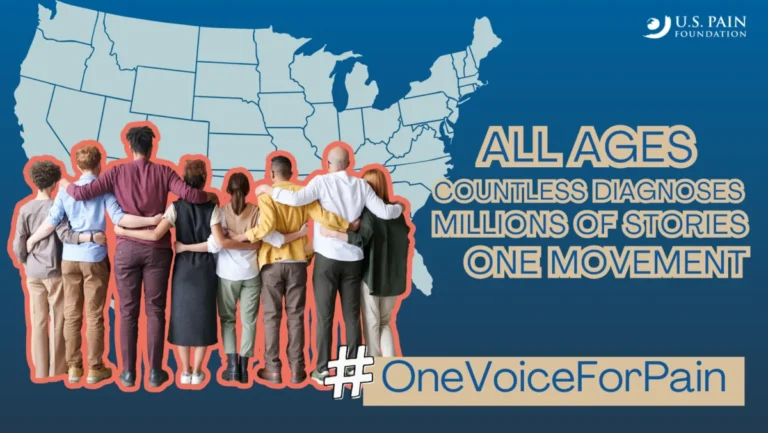
- The Pivot to Advocacy: The current phase of her journey is defined by a conscious decision to reject the role of a passive patient. By transitioning into roles with the U.S. Pain Foundation and federal-level advocacy, she has reclaimed her autonomy.
Understanding Ehlers-Danlos Syndrome: The Biological Reality
Ehlers-Danlos Syndrome is not a single disease but a group of 13 related disorders that affect connective tissue, primarily skin, joints, and blood vessel walls. According to the Ehlers-Danlos Society, the global prevalence is estimated at 1 in 5,000, though many experts believe this is a significant underestimation due to the difficulty of clinical diagnosis.
The Role of Collagen
Connective tissue acts as the "glue" that holds the body together. EDS is caused by a genetic mutation that impacts the production of collagen. When this structural protein is defective, the body loses its ability to support its own weight, leading to hypermobility, chronic joint pain, and potential damage to internal organs.
The Impact on Daily Functionality
The "invisible" nature of EDS makes it particularly difficult for patients to secure accommodations in professional and social environments. As Lenox Smith notes, the simple act of chewing or holding a book can become an endurance sport. The unpredictability of subluxations means that a patient can be functional one hour and incapacitated the next, creating a constant state of hyper-vigilance.
Psychological Implications: Mourning the "Former Self"
The intersection of chronic pain and mental health is a critical area of study in modern medicine. When a person’s identity is tied to their physical utility—their ability to work, parent, or exercise—the loss of those abilities creates a profound grieving process.
The Grief Cycle in Chronic Illness
Psychologists often liken the diagnosis of a progressive disease to the stages of grief. Lenox Smith’s experience mirrors this:
- Denial/Bargaining: Searching for the "fix" that will restore the status quo.
- Anger/Depression: The realization that the condition is chronic and the subsequent mourning of the activities that defined one’s purpose.
- Acceptance/Reintegration: Moving from "what I have lost" to "what I can still offer."
"We thrive when we feel that we have purpose and meaning in life," Lenox Smith observes. When the mechanisms for that purpose are taken away by systemic illness, the patient must undertake the arduous work of building a "new version" of their existence.
Advocacy as a Therapeutic Modality
One of the most effective ways patients have found to mitigate the psychological impact of chronic illness is through advocacy. By pivoting from a private struggle to a public mission, patients like Lenox Smith transform their pain into a tool for systemic change.
The Role of the U.S. Pain Foundation
Organizations like the U.S. Pain Foundation serve as critical infrastructure for patients who are otherwise isolated. These groups provide:
- Clinical Education: Helping patients navigate the complexities of their condition.
- Policy Influence: As co-director of Cannabis Advocacy, Lenox Smith works to shift legislative perspectives on pain management, an area where traditional pharmaceuticals often fail EDS patients.
- Community Building: Creating a support network that validates the lived experience of "invisible" symptoms.
Redefining Success
The shift in perspective is perhaps the most difficult hurdle. For an athlete, success was once measured by lap times; now, for Lenox Smith, success is measured by the ability to remain in the water, albeit with modified strokes that accommodate a fused neck and limited mobility. This is a profound recalibration of human potential.
Official Responses and Medical Outlook
The medical community is slowly shifting its approach to EDS. Historically, treatment was purely reactive—addressing a subluxation here, a surgery there. Current standards of care are moving toward a multidisciplinary approach involving:
- Physical Therapy: Specialized, low-impact exercise to stabilize joints.
- Pain Management: A move away from heavy narcotics toward integrative therapies, including the cannabis-based advocacy that Lenox Smith champions.
- Mental Health Support: Treating the depression and anxiety that invariably accompany chronic physical deterioration.
Despite these advancements, the "under-recognized" nature of the condition remains a barrier. Many patients still wait years for an accurate diagnosis, during which time the damage to their joints can become permanent.
Conclusion: A Blueprint for Resilience
The story of Ellen Lenox Smith serves as a poignant reminder that while we may not control the genetic hand we are dealt, we maintain agency over our response to it. Her journey underscores three vital pillars for anyone navigating chronic pain:
- Acceptance is not Surrender: Acknowledging the new limits of one’s body is not an act of giving up; it is a tactical assessment required to move forward.
- Purpose is Portable: If the old avenues for purpose are closed, the search for new ones—whether through advocacy, creative expression, or community support—is essential for mental survival.
- The Ripple Effect: One’s response to adversity becomes a template for those watching. By choosing to live with dignity and persistence, one provides a roadmap for others facing similar, or different, hardships.
"Your plans may not be the same as they used to be," Lenox Smith writes, "but it’s still worth it to make new ones."
As the scientific community continues to push for better understanding and treatments for Ehlers-Danlos Syndrome, the voices of patients like Lenox Smith remain the most important factor in driving that progress. Their resilience is not merely a personal triumph; it is a vital contribution to the collective knowledge of what it means to be human in the face of profound adversity.
May those currently struggling in the silence of chronic pain find the same strength to redefine their purpose, and may they find, as Lenox Smith has, that there is still much life to be lived on the other side of the diagnosis.