








WASHINGTON, D.C. — In a landmark move for the American higher education system, a bipartisan coalition in Congress has introduced the Campus Lifeline Act, a legislative package designed to weave mental health support into the daily fabric of student life. For the first time in its history, Active Minds—the nation’s premier nonprofit dedicated to mobilizing youth and young adults for mental health advocacy—has authored federal legislation aimed at addressing the systemic gaps in campus-based psychological resources.
The bill, formally introduced as House Bill 8657, arrives at a critical juncture. As the United States continues to struggle with a burgeoning youth mental health crisis, the Campus Lifeline Act seeks to transition the national response from reactive crisis management to proactive, youth-informed prevention.
Main Facts: A New Blueprint for Student Safety
The Campus Lifeline Act (H.B. 8657) is anchored by two primary objectives designed to increase the visibility of life-saving resources and bolster the infrastructure of college counseling centers.
1. Universal Visibility of the 988 Lifeline
The most immediate and visible change proposed by the bill is the requirement for all newly-issued student identification cards to include the 988 Suicide & Crisis Lifeline. By embedding the three-digit dialing code onto a physical item that students carry at all times, the legislation aims to ensure that help is never more than a glance away. This "passive visibility" strategy is intended to normalize the act of seeking help and to provide a discreet, immediate resource for students in moments of acute distress.
2. Strategic Federal Investment
Beyond the physical ID cards, the Act mandates an increase in federal investment toward youth-informed mental health strategies. This includes directed funding for colleges and universities to implement peer-support programs, early intervention training, and student-led advocacy initiatives. The goal is to move away from "one-size-fits-all" administrative policies and toward solutions designed by the very demographic they are intended to serve.
The bill is spearheaded by a bipartisan quartet of lawmakers: Representatives Erin Houchin (R-IN), Lori Trahan (D-MA), David Valadao (R-CA), and Mark Pocan (D-WI). This cross-aisle collaboration underscores a growing consensus in Washington that youth mental health is a non-partisan priority that requires urgent federal intervention.
Chronology: A Decade of Student-Led Advocacy
The journey of the Campus Lifeline Act did not begin in the halls of the Rayburn House Office Building, but rather in a student lounge at the University of Dayton ten years ago.
- 2014–2015: The Seed of an Idea
An Active Minds student chapter at the University of Dayton recognized a recurring problem: students often didn’t know who to call during a midnight crisis when the campus clinic was closed. They proposed a simple solution: print the national suicide prevention number on the back of every student ID. - 2016–2022: Local and State Momentum
What began at Dayton spread to other chapters. Active Minds student advocates began lobbying their individual university administrations and, eventually, state legislatures. Several states, including California and Massachusetts, began adopting similar requirements at the state level, proving the efficacy of the ID card mandate. - July 2022: The Launch of 988
The federal government transitioned the National Suicide Prevention Lifeline to the easy-to-remember 988 code. This simplified the "ask" for advocates, making the inclusion of the number on ID cards even more practical and impactful. - May 4, 2024: Federal Introduction
Refining the decade-long efforts of thousands of student advocates, Active Minds formally authored and secured the introduction of the Campus Lifeline Act in the 119th Congress. - Present Day: Congressional Briefing
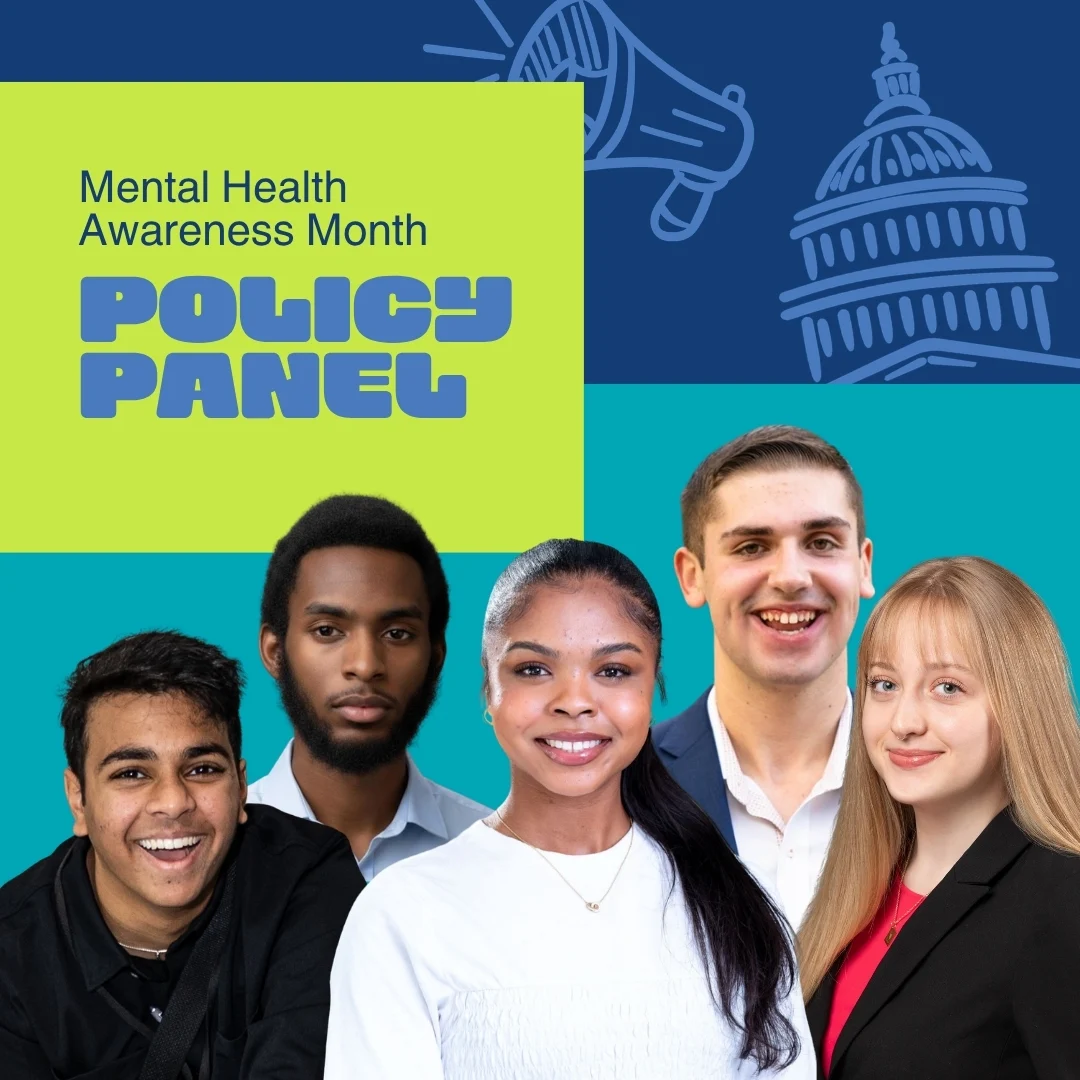
To coincide with the bill’s introduction, Active Minds hosted a briefing titled “Advancing 988 and Peer Support: Youth Voices Take the Lead on Capitol Hill,” marking the shift from grassroots organizing to high-level policy influence.
Supporting Data: The Quantitative Case for Change
The necessity of the Campus Lifeline Act is supported by a sobering array of data from the Centers for Disease Control and Prevention (CDC), the Healthy Minds Network, and recent clinical studies.
The Success of the 988 Lifeline
A recent study published in the Journal of the American Medical Association (JAMA) provides powerful evidence that accessible crisis lines save lives. Since the nationwide rollout of the 988 Lifeline, there has been an estimated 11% decline in youth suicide deaths. This represents thousands of lives saved through a simple increase in accessibility and awareness. The Campus Lifeline Act seeks to capitalize on this momentum by bringing 988 directly to the college population.
The "Treatment Gap"
Despite increased awareness, the "treatment gap" for young adults remains a chasm:
- 67% of young adults experiencing mental health symptoms do not receive professional treatment.
- Fewer than 20% of youth with diagnosable conditions are currently supported by formal systems.
- 75% of all mental health conditions emerge by age 24, making the college years the most critical window for intervention.
The Peer-Support Phenomenon
One of the most compelling arguments for the Act’s focus on peer-informed strategies is how students actually seek help. According to Active Minds data:
- 67% of youth say they would turn to a friend first when struggling.
- However, 70% of those friends report they do not feel equipped or trained to provide the necessary help.
This "disconnect" effectively makes students the de facto mental health system for one another, yet they are the least resourced. The Campus Lifeline Act aims to bridge this gap by funding programs that equip students with the tools to support their peers safely and effectively.
Official Responses: Voices from the Front Lines
The introduction of the Act has drawn praise from lawmakers, mental health professionals, and student advocates alike.
Representative Erin Houchin (R-IN) emphasized the moral obligation of leadership:
“We have a responsibility to make sure young people know where to turn in a moment of crisis. During Youth Mental Health Awareness Week, I’m proud to introduce the Campus Lifeline Act to expand access to the 988 Lifeline and strengthen support on campuses. It’s our goal to make sure every young person knows help is available.”
Congresswoman Lori Trahan (D-MA), a long-time advocate for youth safety, connected the bill to previous legislative successes:
“I was proud to lead the Garrett Lee Smith Reauthorization Act to strengthen and expand suicide prevention programs. This bipartisan legislation builds on that work. By leveraging the reach of the 988 Suicide & Crisis Lifeline, we can connect more teens and young adults with the support they need before a crisis becomes a tragedy.”
Alison Malmon, Founder and Executive Director of Active Minds, highlighted the importance of youth leadership in policy design:
“Youth and young adults are championing a new era of mental health on the front lines, yet our system still waits for crisis. That’s why policies like the Campus Lifeline Act matter—they reflect solutions youth are already designing and leading.”
Carson Domey, a student advocate who participated in the Congressional briefing, offered a perspective from the ground:
“For most youth, support doesn’t start with a professional—it starts with a friend. But we’re often expected to navigate those moments without the tools we need. Expanding access to resources like 988 and making them visible in everyday spaces is a simple step that can make a life-saving difference.”
Implications: Shifting the Paradigm of Campus Care
If passed, the Campus Lifeline Act will represent more than just a change in ID card formatting; it will signal a fundamental shift in how American society views the mental health of its students.
From Reactive to Preventive
Currently, many campus mental health systems are designed to respond only when a student reaches a breaking point. By emphasizing "youth-informed" strategies and peer support, the Act encourages a culture of prevention. When mental health resources are integrated into the "everyday"—on ID cards, in student orientations, and through peer networks—the stigma associated with seeking help diminishes.
The Power of Youth Agency
The Act serves as a proof of concept for the "We Mind" campaign, a national movement launched by Active Minds. The core philosophy of "We Mind" is that when youth unite, they become an undeniable force in the legislative process. By involving students in the design of mental health laws, the resulting policies are more practical, accessible, and likely to be utilized by the target demographic.
Systemic Integration
The bill aims to create lasting, systemic change by ensuring that mental health support is built into the "foundation" of university operations. By securing federal appropriations for these programs, the Act ensures that mental health services are not the first items cut during university budget shortfalls.
A Global Signal
As suicide remains the third leading cause of death globally among individuals ages 15–29, the Campus Lifeline Act positions the United States as a leader in innovative, youth-led mental health policy. It provides a scalable model that could eventually be adapted by international educational institutions.
Conclusion
The Campus Lifeline Act is the culmination of a decade of student persistence. It acknowledges a simple but profound truth: the people best equipped to solve the youth mental health crisis are the young people living through it. By bringing the 988 Lifeline to every student’s pocket and investing in the power of peer support, Congress has the opportunity to turn the tide on a national tragedy and ensure that for every student, help is always within reach.
For more information on the Campus Lifeline Act and how to get involved, visit activeminds.org.