










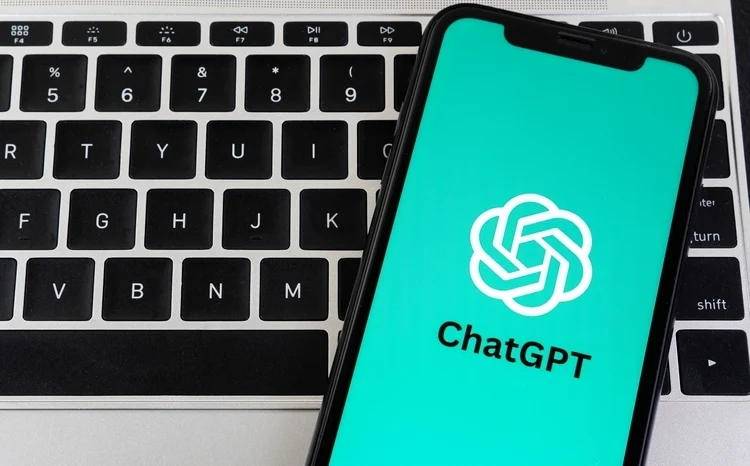
In a seismic shift in public health behavior, a significant portion of the British population is increasingly bypassing traditional clinical routes in favor of artificial intelligence. New research from the Policy Institute at King’s College London reveals that one in seven UK adults now prefers to consult AI chatbots for medical guidance rather than booking an appointment with a General Practitioner (GP).
This trend marks a growing reliance on large language models and digital assistants as primary diagnostic gatekeepers. While the convenience of instant, 24/7 health information is proving addictive, the migration toward silicon-based medical advice has triggered alarms among policy experts, healthcare regulators, and patient advocates alike.
The State of Play: Key Findings from the March 2026 Study
The research, which surveyed 2,083 UK adults, paints a complex portrait of the modern patient. Driven by a blend of systemic frustration and technological curiosity, the public is experimenting with AI in ways that were unimaginable just a few years ago.
The Drivers of Digital Adoption
The survey data highlights three primary motivators for those seeking AI-driven health insights:
- Convenience (46%): The ability to access information instantly, without the friction of telephone queues or booking systems.
- Curiosity (45%): A baseline interest in the capabilities of emerging technology.
- Clinical Uncertainty (39%): A common hesitation regarding whether a specific symptom warrants a formal medical consultation.
Perhaps most tellingly, one in four (25%) respondents explicitly identified the UK’s strained NHS waiting lists as the primary catalyst for their decision to consult a chatbot. In this context, AI is functioning less as a tool of choice and more as a "safety valve" for a health system under immense capacity pressure.
A Growing Dependency: Chronology of the Digital Shift
The integration of AI into the patient journey has been rapid, moving from a niche curiosity to a mainstream healthcare alternative within a very short window.
Early 2025: Initial industry reports began flagging a rise in "Dr. Google" being replaced by "Dr. ChatGPT." Data suggested that patients were beginning to rely on AI for initial triage, despite a lack of formal integration between these tools and clinical records.
November 2025: The Medicines and Healthcare products Regulatory Agency (MHRA) issued a formal advisory, warning the public that AI chatbots must not be viewed as a substitute for professional medical expertise. This followed data indicating that one in four UK patients were already utilizing social media and AI platforms for health guidance.
February 2026: A landmark study published in Nature Medicine provided the scientific community with a reality check. The research found that ChatGPT Health failed to correctly triage more than 50% of medical emergencies and frequently missed critical red flags, including signs of suicidal ideation.
March 2026: The King’s College London study provided the most comprehensive look at the human element of this shift, quantifying not just the usage rates, but the underlying public attitudes and anxieties that define this transition.
The "Paradox of Acceptance": Demographic Divides
One of the most counterintuitive findings of the King’s College research is the demographic breakdown of skepticism. Conventional wisdom has long held that younger generations—so-called "digital natives"—would be the most comfortable with AI-driven medicine.
The data, however, suggests the opposite. Younger people (aged 18–24) are the most opposed to the clinical use of AI within the NHS, with nearly half (49%) expressing disapproval. In contrast, only 36% of those aged 65 and over held the same negative view. This "familiarity breeds skepticism" phenomenon suggests that those most exposed to the flaws of digital technology are the most cautious when it comes to entrusting their physical wellbeing to it.
Furthermore, women and young people remain among the most vocal critics, challenging the assumption that mere exposure to technology guarantees acceptance or trust.
The Dangers of the "Digital Consultation"
While 59% of users reported that AI had been beneficial for their physical health, and 53% noted improvements in their mental health, these self-reported benefits obscure significant risks.
The most concerning statistic from the research is that 20% of users stated the AI did not encourage them to seek a professional opinion, and 21% explicitly decided against visiting a doctor because of advice received from a chatbot.
This creates a dangerous "feedback loop of misinformation." If a chatbot fails to identify a life-threatening condition—such as an acute cardiac event or a serious infection—the patient may feel falsely reassured. By the time they realize the advice was inaccurate, the "golden hour" for medical intervention may have already passed.
Official Responses and Ethical Implications
The research has drawn sharp reactions from policy experts who see the findings as both a critique of the status quo and a warning for the future of digital health.
The Policy Institute’s Perspective
Amy Clark, a senior policy fellow at the Policy Institute, highlighted the dangerous disconnect between current usage patterns and public sentiment. "These findings reveal a striking gap between how AI is being used for health and how the public feels about it," Clark stated. She emphasized that while convenience and NHS capacity are driving this trend, the public remains profoundly anxious about the trajectory of AI in medicine.
The View from Digital Poverty Advocacy
Elizabeth Anderson, CEO of the Digital Poverty Alliance, took a broader societal view. "The fact that one in seven people would now prefer to seek advice from AI chatbots rather than a doctor reflects both growing pressure on public services and a wider shift in how people access information," Anderson noted.
However, she offered a stern caveat: "While AI can play a valuable role in supporting access to information, it cannot replace professional medical expertise, human judgement, or compassionate care." She stressed the urgent need for "digital health literacy," arguing that as AI becomes more embedded in our lives, we must equip the public to engage with these tools critically, safely, and with an awareness of their limitations.
The Path Forward: Can AI and the NHS Coexist?
The rise of the "AI doctor" is not a fleeting trend; it is a symptom of a healthcare ecosystem that is struggling to meet the demands of a modern population. To manage this transition, several structural changes are likely required:
1. Robust Regulation and Standards
The MHRA’s warnings are a start, but there is a need for a formal certification framework for "Medical-Grade" AI. Tools that provide health advice should be subjected to rigorous clinical trials, similar to the approval processes for pharmaceuticals.
2. Digital Literacy Education
If the public is going to use these tools, they must be educated on how to spot hallucinations and errors. Schools and public health campaigns should emphasize the difference between a conversational AI and a clinical diagnostic tool.
3. Integration, Not Replacement
Rather than viewing AI as a replacement for the GP, the NHS could potentially integrate AI as a triage assistant for professionals. By using validated AI to sort inquiries before they reach a human, the system could regain efficiency without sacrificing the safety net of medical expertise.
4. Addressing the Root Cause
Perhaps the most significant implication of this data is the political one. The fact that 25% of users are turning to AI due to NHS waiting lists suggests that the rise of the chatbot is, at its heart, a failure of service delivery. If the NHS were more accessible, the reliance on unverified, potentially dangerous AI would likely plummet.
Conclusion
The evidence is clear: the British public is increasingly willing to take health risks for the sake of convenience. While AI offers the promise of democratized medical information, the current reality is one of significant inaccuracy, missed diagnoses, and deep public ambivalence.
As we look toward the future of healthcare, the challenge for policymakers is not to ban the technology—which has become deeply embedded in the public consciousness—but to master it. Until we can guarantee that an AI assistant will never ignore a sign of a medical emergency or misinterpret a symptom of a chronic illness, the "human touch" of the GP remains an irreplaceable, non-negotiable pillar of public health. For now, the message from the clinical community remains firm: consult the chatbot for curiosity, but consult the doctor for your life.