










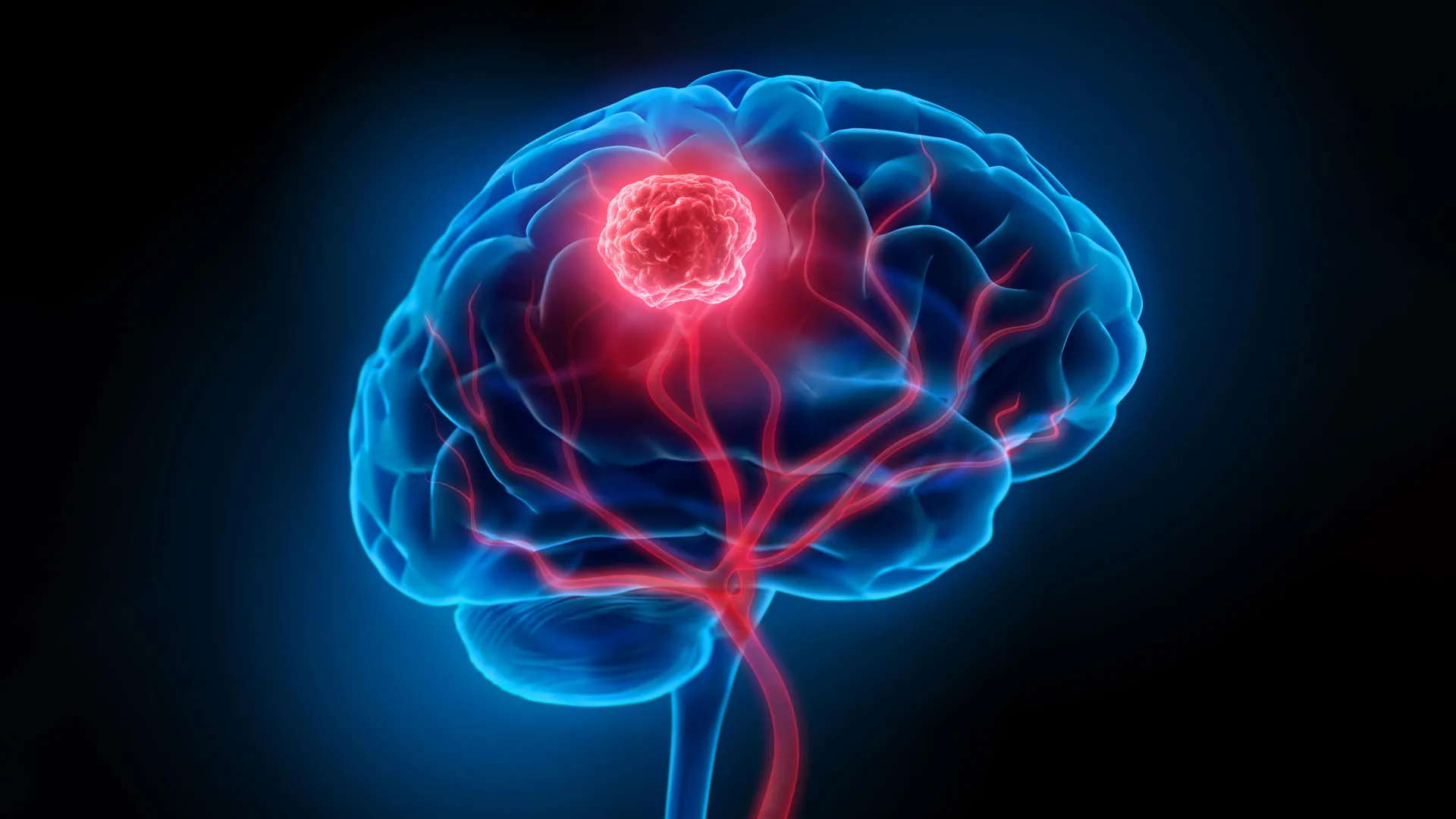
In the high-stakes landscape of neuro-oncology, glioblastoma (GBM) has long stood as a formidable, often insurmountable adversary. As the most aggressive form of primary brain cancer, it is characterized by its rapid progression, invasive nature, and a grim prognosis that typically leaves patients with survival measured in months rather than years. However, a landmark study conducted by a collaborative team of Canadian researchers from McMaster University and The Hospital for Sick Children (SickKids) has unveiled a critical vulnerability in this lethal disease.
By reconceptualizing the tumor not as a monolithic mass but as a dynamic "ecosystem," scientists have discovered that glioblastoma relies on the unwitting support of healthy brain cells. Crucially, the study identifies that an existing, FDA-approved drug for HIV may hold the key to disrupting this parasitic relationship, offering a glimmer of hope for patients who have historically faced a profound lack of therapeutic options.
The Anatomy of the Breakthrough: Main Facts
The research, published in the prestigious journal Neuron, centers on the discovery that oligodendrocytes—cells typically responsible for insulating nerve fibers and facilitating efficient signaling in the healthy brain—are being hijacked by glioblastoma tumors.
Under normal circumstances, oligodendrocytes play a vital role in maintaining the integrity of the central nervous system. However, the study reveals that these cells are coaxed into a pathological state, acting as "accomplices" that facilitate tumor growth and invasion. By establishing a sophisticated signaling pathway with cancer cells, these oligodendrocytes provide the structural and chemical support necessary for the tumor to expand and resist standard treatments.
The most significant finding of the study is the identification of the CCR5 receptor as the "linchpin" of this communication network. Because the CCR5 receptor is already a well-characterized target for the HIV medication Maraviroc, the researchers have identified a repurposing opportunity that could bypass years of initial drug development, potentially accelerating the timeline for clinical trials.
Chronology of the Discovery
The path to this discovery was not linear; it represents the culmination of years of rigorous investigation into the developmental biology of brain tumors.
- 2020–2023: The research teams at McMaster University’s Singh Lab and SickKids’ Moffat Lab began investigating the cellular architecture of glioblastoma. The study was bolstered by the 2020 William Donald Nash Brain Tumour Research Fellowship and support from the Canadian Institutes for Health Research.
- Early 2024: Building upon a foundational study published in Nature Medicine, the team identified that glioblastoma cells exploit biological pathways typically utilized during embryonic brain development to infiltrate healthy tissue. This provided the conceptual framework for the current Neuron study.
- Late 2024: Through advanced laboratory modeling, researchers successfully mapped the interaction between glioblastoma stem cells and oligodendrocytes. They observed that when the CCR5 signaling pathway was pharmacologically blocked, the tumor’s growth velocity dropped significantly.
- Publication: The findings were formally published in Neuron, marking a transition from basic biological discovery to translational research.
Supporting Data: Understanding the "Cancer Ecosystem"
For decades, cancer research focused heavily on the genetic mutations inherent within tumor cells. While this led to breakthroughs in targeted therapies for various cancers, glioblastoma proved resistant to such approaches due to its extreme heterogeneity.
The Canadian study shifts the focus from the tumor cell in isolation to the "tumor ecosystem." The data demonstrates that glioblastoma thrives by "reprogramming" the surrounding microenvironment. Researchers found that oligodendrocytes express specific receptors that respond to signals secreted by the tumor. In return, the oligodendrocytes secrete factors that promote the survival and proliferation of the cancer.
The Role of the CCR5 Receptor
The study utilized high-resolution imaging and transcriptomic analysis to identify that the CCR5 receptor acts as the primary gateway for this communication. In laboratory models, researchers applied Maraviroc—a drug designed to block HIV from entering T-cells by targeting the CCR5 receptor—and witnessed a dramatic inhibition of the tumor’s ability to communicate with its support network.
The data indicates that the inhibition was not merely cosmetic; it fundamentally altered the metabolic and proliferative behavior of the tumor, effectively "starving" the cancer of the signals it requires to remain aggressive.
Official Responses and Expert Perspectives
The collaborative nature of this study reflects a broader trend in Canadian medical research: integrating surgical expertise with advanced genetic modeling.
Dr. Sheila Singh, co-senior author of the study and a professor of surgery at McMaster University, emphasized the shift in perspective required to tackle the disease. "Glioblastoma isn’t just a mass of cancer cells; it’s an ecosystem," Dr. Singh stated. "By decoding how these cells talk to each other, we’ve found a vulnerability that could be targeted with a drug that’s already on the market." As the director of the Centre for Discovery in Cancer Research at McMaster and a Tier 1 Canada Research Chair, Dr. Singh has long advocated for targeting the "stem-like" properties of these tumors.
Dr. Jason Moffat, co-senior author and head of the Genetics & Genome Biology program at SickKids, highlighted the translational potential of the work. "The cellular ecosystem within glioblastoma is far more dynamic than previously understood," Dr. Moffat noted. "In uncovering an important piece of the cancer’s biology, we also identified a potential therapeutic target that could be addressed with an existing drug. This finding opens a promising path to explore whether blocking this pathway can speed progress toward new treatment options for patients."
The study’s co-first authors, Kui Zhai (McMaster) and Nick Mikolajewicz (formerly of SickKids), were instrumental in the intricate laboratory work required to prove that these communication pathways could be disrupted without causing catastrophic damage to the surrounding healthy brain tissue.
Implications: A New Era for Glioblastoma Treatment?
The implications of this research are profound, particularly for a disease that has seen very few major breakthroughs in the last two decades.
1. The Power of Drug Repurposing
The most immediate implication is the potential for repurposing Maraviroc. Drug development typically spans a decade or more, with the majority of compounds failing in the clinical trial phase. By utilizing an FDA-approved drug, researchers can move toward "off-label" clinical trials or compassionate use programs much faster, potentially providing options to patients who have exhausted all standard-of-care treatments, including surgery, radiation, and chemotherapy.
2. Targeting the Microenvironment
This study validates the "ecosystem" approach to cancer therapy. It suggests that future treatments for brain cancer should not only target the tumor itself but also the "nurturing" cells in the environment. By disrupting the support system, doctors may be able to render the tumor more susceptible to traditional therapies like immunotherapy or radiation.
3. A Blueprint for Future Research
The methodology employed by the Singh and Moffat labs serves as a template for investigating other aggressive cancers. If we can map the communication networks of other solid tumors, we may find similar vulnerabilities in the cells that surround them.
4. Challenges Ahead
Despite the optimism, the research team remains cautious. While the results in laboratory models are compelling, the human brain is an incredibly complex environment. Further studies are required to determine how the drug crosses the blood-brain barrier in human patients and whether the tumor might develop resistance to CCR5 inhibition over time.
Conclusion: Toward a Future of Precision Medicine
The identification of the oligodendrocyte-tumor communication axis represents a sophisticated leap forward in our understanding of glioblastoma. By framing the disease as an interactive network rather than an isolated mutation, the Canadian team has identified a concrete therapeutic target that is ready for clinical exploration.
As researchers move toward potential clinical trials, the medical community remains hopeful. The integration of surgical, genetic, and pharmacological expertise—exemplified by the work of McMaster University and SickKids—is exactly the type of multidisciplinary approach necessary to finally shift the prognosis for glioblastoma from a terminal sentence to a manageable condition.
While the journey from the laboratory bench to the bedside is fraught with challenges, the use of existing tools like Maraviroc provides a rare, accelerated opportunity to challenge one of medicine’s most difficult diseases. For patients and families currently navigating the uncertainty of a glioblastoma diagnosis, this discovery offers something that has been in short supply: a new, evidence-based direction for hope.