As the final days of September mark the conclusion of Pain Awareness Month, the national conversation often shifts toward other health observances. Yet, for more than 60 million Americans, the reality of chronic pain does not adhere to a calendar. It is a 365-day-a-year endurance test that demands not just medical attention, but profound societal support, systemic progress, and, most importantly, the preservation of hope.
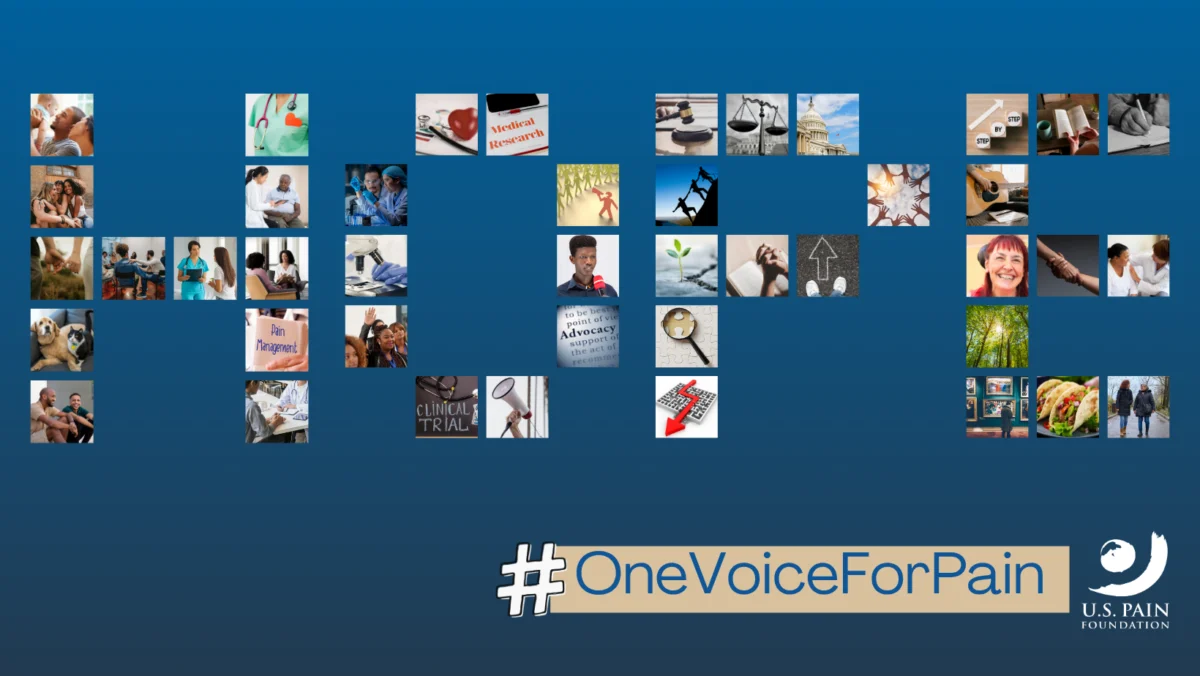
While the awareness campaign focused on the themes of "All Ages, Countless Diagnoses, Millions of Stories, and One Movement," the core question remains: How do those living in the shadow of chronic suffering navigate their daily lives? To answer this, we must examine the multifaceted pillars of resilience that keep individuals moving forward, even when the path ahead is obscured by discomfort and uncertainty.
The Reality of Chronic Pain: A Statistical Overview
Chronic pain is not merely a symptom; it is a complex, often invisible condition that represents a significant public health crisis in the United States. According to data from the Centers for Disease Control and Prevention (CDC), the prevalence of chronic pain is higher than that of diabetes, heart disease, and cancer combined.
The impact is far-reaching. Beyond the physical toll, chronic pain is linked to increased rates of depression, anxiety, social isolation, and economic hardship. The "invisible" nature of these conditions often leads to a phenomenon known as "medical gaslighting," where patients are dismissed or misdiagnosed, further compounding the psychological burden of their physical ailment. Understanding that this is a pervasive, systemic issue is the first step in moving beyond temporary awareness toward lasting, structural change.
Pillars of Resilience: What Keeps the Movement Alive?
Throughout September, we solicited firsthand accounts from those in the thick of the battle. Their testimonies reveal that hope is rarely a singular "cure." Instead, it is an architectural structure built from support systems, professional validation, and personal determination.
1. The Anchors of Social Support
For many, the ability to wake up and face another day is tethered to the people around them. Family, friends, and even pets serve as critical emotional support systems.
"My partner, who is also disabled and in chronic pain, is my anchor," says Barry, 57. This sentiment of shared experience—the idea of being "seen" by someone who truly understands—is a recurring theme. Whether it is a spouse, a friend, or a community group like Celebrate Recovery, the presence of a witness to one’s pain can alleviate the isolating effects of chronic illness. For others, like 37-year-old Kari, hope is found in the "tiny glimmers" of joy—watching a child play, where, for a moment, the pain is temporarily eclipsed by the beauty of the present.
2. The Vital Role of Medical Validation
The journey of a chronic pain patient is often a labyrinth of specialists, failed treatments, and skepticism. The difference between a patient who gives up and one who continues to advocate for their health often hinges on the provider-patient relationship.
"Where there are 10 nurses who treat you the worst and don’t believe your pain, there are two that have a heart of compassion," shares Bobbie, 42. This validation—being believed—is a form of medicine in itself. When a therapist or physician shifts from "fixing" to "modifying goals," it empowers the patient to reclaim agency over their life. Erica, 45, notes that her therapist’s reminder that she can reach her goals through modification has been instrumental in her mental stability.
3. The Promise of Innovation and Research
For many, the future is the only thing that makes the present bearable. The landscape of pain management is shifting, albeit slowly.
"I am hopeful because fibromyalgia is much more understood now than it was 18 years ago," says Debbie, 68. This shift in scientific understanding is critical. As research advances, so do the tools at our disposal—ranging from new pharmacological interventions to neuromodulation devices. For patients like Katie, 58, the knowledge that scientists are still working toward better outcomes provides a tangible lifeline.
4. Advocacy as a Source of Purpose
Perhaps the most transformative coping mechanism is the transition from "patient" to "advocate." By taking the pain that has been inflicted upon them and turning it into a voice for others, patients find a sense of mission.
"I started advocating for chronic pain and patients because I have to make sense of what happened to me," explains Sammie, 31. This is the alchemy of trauma: turning suffering into advocacy. It gives the pain a narrative, a purpose, and a destination. It suggests that even if the pain cannot be erased, it can be used to improve the landscape for the next generation of patients.
5. Faith, Determination, and the "Small Wins"
For others, the drive is internal. It is an unyielding faith or a sheer refusal to succumb to despair. Beverly, 84, admits, "I do not know how to give up." This quiet, persistent determination is often the unsung hero of the chronic pain community.
Furthermore, the "small win" philosophy—finding joy in a cup of coffee, a sunny day, or a completed journal entry—keeps the psyche nourished. Max, 24, utilizes creative hobbies to shift focus, proving that distraction is a valid and effective tool for pain management.
When Hope Feels Out of Reach: The Honest Truth
Journalistic integrity requires us to acknowledge that for a segment of the population, hope is not currently a part of the equation. Responses like "Not much gives me hope" or "Pure desperation keeps me going" are not failures of character; they are symptoms of a system that has, for too long, failed to provide adequate relief.
These voices are the most important in the conversation. They represent the "why" behind the #LetsChangePain movement. Ignoring the reality of the desperate, the exhausted, and the hopeless would be a disservice to the millions who are currently surviving, not thriving. Their existence is a clarion call for policy changes, improved access to care, and more robust mental health support for those with long-term, refractory pain conditions.
Implications for the Future: A Call to Action
The conclusion of Pain Awareness Month is not a finish line; it is a pivot point. The implications for the medical community, policymakers, and the public are clear:
- Systemic Reform: Healthcare systems must move toward a biopsychosocial model of care that addresses the whole person rather than just the localized symptom.
- Provider Education: Training for healthcare professionals must include an emphasis on empathy, communication, and the dangers of medical gaslighting.
- Investment in Research: Continued funding for non-opioid, non-addictive pain therapies is essential to provide relief for those who have exhausted traditional options.
- Societal Empathy: The public must move toward a more nuanced understanding of "invisible" disabilities, recognizing that a person’s lack of external injury does not equate to a lack of internal agony.
Conclusion: Carrying the Torch Beyond September
As we look toward the future, the message from the chronic pain community is one of both endurance and demand. They are asking for more than just awareness; they are asking for action.
Whether it is a researcher in a lab, a patient writing a letter to their representative, or a family member simply listening to a loved one describe their day, every action contributes to the movement. We must continue to share these stories, to amplify these voices, and to work toward a future where the 60 million Americans living in pain have more than just hope—they have answers, relief, and a society that supports their journey.
The movement to change the pain experience is not a seasonal obligation. It is a fundamental commitment to the dignity of the human experience. Let us carry the momentum of this awareness forward, not just for the next month, but for every day until the standard of care matches the scale of the need.
#LetsChangePain. Together.