




In the rapidly evolving landscape of digital health, the allure of "high-tech" solutions often overshadows the "high-touch" reality of clinical care. For many health systems, the temptation is to treat remote patient monitoring (RPM) as a plug-and-play solution. However, Houston Methodist, one of the nation’s leading health systems, is proving that the true value of medical technology lies not in the hardware, but in the human-centric infrastructure built around it.
By expanding its sophisticated remote monitoring model from its own acute care facilities into rural hospitals in Kansas, Houston Methodist is setting a new benchmark for how healthcare networks can bridge the geographic divide, ensuring that patients in remote settings receive the same standard of critical oversight as those in major metropolitan centers.
The Core Facts: Bridging the Distance with Data
Houston Methodist recently announced a strategic expansion of its remote patient monitoring (RPM) program, extending its clinical reach beyond its eight-hospital network in Texas to partner with rural facilities in Kansas. This initiative is designed to provide continuous, real-time clinical support to underserved areas that often struggle with staffing shortages and limited access to specialized critical care.
The program, which currently encompasses the monitoring of over 2,500 inpatient beds within Houston Methodist’s own walls, is scaling up to include an additional 500 beds across eight Kansas hospitals. The rollout began with two initial pilot sites, with plans to incorporate the remaining six facilities in the near future.
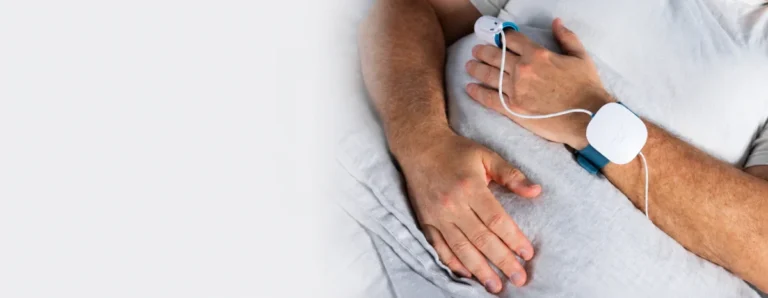
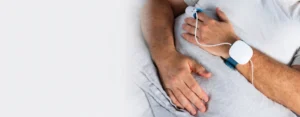
At the heart of this deployment is the FDA-cleared BioButton, a wearable device developed by Colorado-based BioIntelliSense. Unlike traditional vital sign monitoring—which typically relies on manual checks by nursing staff four to six times a day—the BioButton provides a continuous stream of data. The device, which is discreetly attached to the patient’s chest, captures heart rate, respiratory rate, and skin temperature, generating up to 1,440 physiologic readings every 24 hours. This high-frequency data is funneled into the BioDashboard, a centralized interface where specialized clinicians can monitor trends and identify early warning signs of clinical deterioration.
A Chronology of Clinical Transformation
The journey to this expansion was not an overnight success but the result of years of refinement within the Houston Methodist ecosystem.
- Internal Foundation (2020-2023): Houston Methodist spent several years integrating wearable technology into its internal acute care units. The focus during this phase was on establishing a robust "Clinical Emergency Response Team" (CERT) protocol. The system learned that technology alone was insufficient; success required a fundamental shift in how nurses interacted with incoming data.
- The Pilot Phase (2024): Recognizing the potential to help smaller hospitals, the health system began stress-testing the model to ensure that adding external sites would not dilute the quality of care for internal patients. Dedicated, experienced staff were hired specifically for the remote monitoring command center to handle the influx of data from the Kansas sites.
- The Kansas Expansion (2025): The official rollout to the first two Kansas facilities marked the transition from a localized pilot to a regional clinical support model. By mid-2025, the program began integrating data from these rural hospitals directly into the Houston-based monitoring hub.
- Scaling and Future Outlook: With a goal of 500 beds under active monitoring, the system is currently in the process of scaling its workforce and fine-tuning the communication pathways between the Houston-based nurses and the bedside teams in Kansas.
Supporting Data: The Case for Continuous Oversight
The clinical rationale for this program is supported by emerging research that validates the efficacy of continuous monitoring combined with rapid response protocols. A 2025 study published in the Journal of Clinical Medicine provides a compelling argument for this approach.
The study analyzed 1,120 patients who were flagged by a Clinical Emergency Response Team (CERT) and subsequently transferred to the Intensive Care Unit (ICU). The research found that when continuous monitoring was coupled with enhanced CERT workflows—where experts are alerted to deterioration before a crisis occurs—there were measurable improvements in patient outcomes. Specifically, the study noted:
- A reduction in average patient illness severity scores.
- A statistically significant drop in in-hospital mortality rates.
- A decrease in the total length of stay (LOS), which reduces the burden on hospital resources and lowers the risk of hospital-acquired infections.
These findings support the "proactive" rather than "reactive" philosophy championed by Houston Methodist. By monitoring trends rather than static numbers, clinicians can identify subtle changes in a patient’s condition that might precede a cardiac or respiratory event, allowing for intervention hours before a patient requires an emergency transfer to the ICU.
Official Perspectives: The Human Element
"The technology itself is only one piece of this," says Sara Loewy, Vice President of Virtual Care at Houston Methodist. "The clinical workflow around it matters just as much."

Loewy’s perspective highlights a growing consensus in the healthcare industry: technology is a force multiplier, not a replacement for clinical judgment. The Houston Methodist model succeeds because it integrates the wearable data with a deep dive into the patient’s existing clinical history, including medications, comorbidities, and laboratory results.
When the remote monitoring team—which averages 17 years of critical care experience—spots an anomaly, they do not merely alert the bedside nurse. They engage in a structured, professional communication loop. Because these remote nurses are specifically assigned to the rural initiative, the bedside teams in Kansas have a reliable, consistent partner in Houston. This creates a "safety net" that empowers rural clinicians, who often work in resource-constrained environments, to make more informed decisions with the support of a high-level academic medical center.
Implications: The Future of Rural and Remote Care
The Houston Methodist expansion offers a blueprint for the future of healthcare, with several key implications for the industry at large:
1. Reversing the "Brain Drain"
One of the most significant challenges in rural healthcare is the difficulty of recruiting and retaining high-level critical care specialists. By centralizing the monitoring function in a hub like Houston, rural hospitals can leverage the expertise of veteran nurses without needing to hire them on-site. This allows local hospitals to provide a higher level of acuity while maintaining their presence in the community.
2. Redefining the Role of the Bedside Nurse
The shift toward remote monitoring changes the daily routine of the bedside nurse. Instead of spending significant time on manual vital sign checks, nurses can focus on physical assessment, patient comfort, and complex bedside interventions. This improves job satisfaction and allows for more meaningful patient-provider interaction.
3. The End of the "Reactive" Hospital
The integration of wearables like the BioButton marks a departure from the traditional hospital model, where care is often escalated only after a patient has already begun to crash. The proactive nature of the CERT model, supported by remote monitoring, signals a shift toward "predictive" medicine. As AI and machine learning algorithms continue to improve, the accuracy of these warnings will likely increase, further reducing preventable deaths.
4. Policy and Standardization
The success of this program underscores the need for standardized protocols in remote care. As more health systems adopt these tools, the industry will need to grapple with questions of reimbursement, data security, and the standardization of response protocols. Houston Methodist’s deliberate, phased approach provides a roadmap for other systems looking to navigate these regulatory and operational challenges.
Conclusion: A Lesson in Implementation
Houston Methodist’s expansion into Kansas is more than a technical upgrade; it is a lesson in organizational strategy. By acknowledging that technology cannot compensate for inadequate staffing, reactive cultures, or a lack of clear escalation protocols, the health system has created a sustainable model for the future.
As the healthcare industry continues to embrace the digital transformation, the Houston Methodist approach reminds us that the most sophisticated sensor in the world is only as effective as the clinician who interprets its signal. By investing in the "human infrastructure"—training, staffing, and culture—the system is ensuring that the promise of remote monitoring is finally realized: bringing world-class, proactive care to patients, regardless of their zip code.