












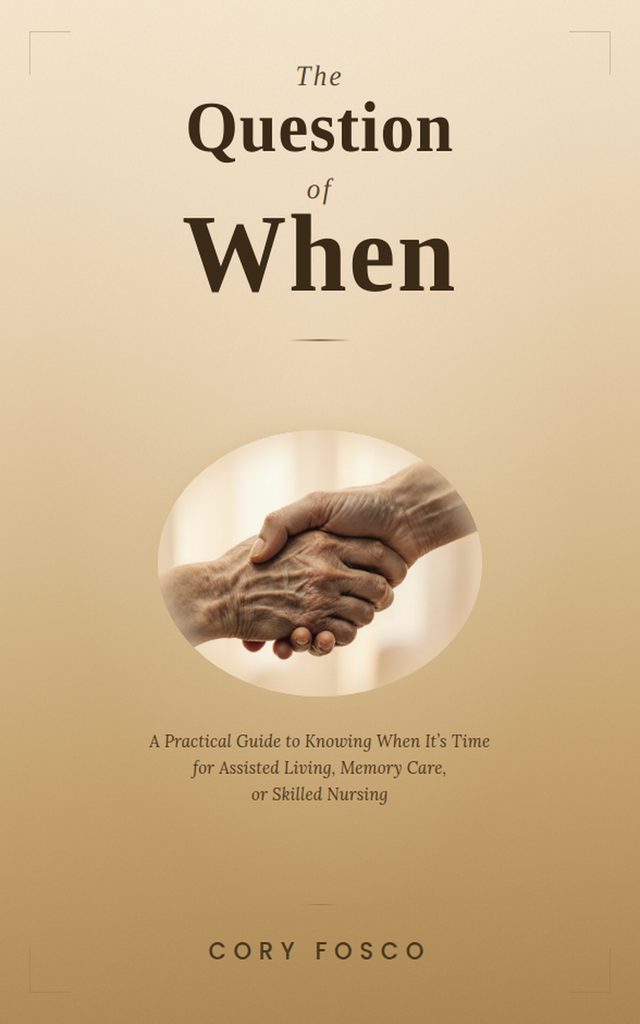
For millions of American families, the journey of caregiving eventually leads to a difficult, complex intersection: the realization that a loved one can no longer live safely or independently at home. As we observe National Assisted Living Week this September, the "Caregiving Club On Air" podcast features an essential conversation with Cory Fosco, author of The Question of When: A Practical Guide to Knowing When It’s Time for Assisted Living, Memory Care or Skilled Nursing.
This transition is rarely simple. It is fraught with emotional weight, logistical hurdles, and significant financial implications. By understanding the "why" and "when" behind long-term care, families can transform a moment of crisis into a proactive, well-informed strategy.
The Reality of Long-Term Care: Main Facts
The landscape of aging in America is undergoing a massive shift. According to data from the American Health Care Association (AHCA) and the National Center for Assisted Living (NCAL), between 2 and 3 million older adults currently reside in some form of senior living or long-term care community. Specifically, there are over 1 million seniors currently living in more than 41,000 assisted living communities nationwide.
These facilities offer varying levels of support, from independent living—which focuses on community and social engagement—to skilled nursing, which provides 24-hour clinical care. The primary challenge for caregivers is not just finding a facility, but identifying the right level of care at the right time. As Cory Fosco notes, the transition often fails not due to a lack of options, but due to a lack of preparation and an inability to recognize the "signals" that indicate a change in status is necessary.

Chronology: The Evolution of Care Decisions
The decision to move a parent or loved one into a care community rarely happens overnight, though it often feels that way. It is a process that typically follows a predictable, yet often ignored, timeline:
Phase 1: The Subtle Shift
Initially, caregivers notice small changes—a missed medication, an uncharacteristic mess in the kitchen, or a minor fall. During this stage, families often rationalize these events as "part of aging."
Phase 2: The "Question of When"
This is the pivotal phase addressed in Fosco’s book. It is when the "small" issues begin to impact daily safety and quality of life. Families must stop asking "if" and start asking "when." This involves deep, often difficult conversations about the loved one’s future, their financial readiness, and their personal wishes.
Phase 3: Research and Selection
Once the need is acknowledged, families enter a high-stress period of touring facilities, checking state ratings, and reviewing contracts. This is where resources like Fosco’s "Four Signal Categories Checklist" become vital, helping families categorize behaviors and health markers to determine which type of facility—assisted living, memory care, or skilled nursing—is truly appropriate.
Phase 4: The Transition
The move itself is a major life event. It requires not just the physical move of belongings, but an emotional adjustment period for the senior and the caregiver.
Supporting Data: The Financial Landscape
One of the most daunting aspects of long-term care is the cost. With the average cost of care rising, proactive financial planning is non-negotiable. While specific costs vary by region, the Genworth/Care Scout Cost of Care Survey remains the gold standard for families looking to forecast expenses.
The survey, updated every spring, breaks down costs into three primary categories:
- Daily Costs: Essential for short-term rehabilitation planning.
- Monthly Costs: The standard for budgeting assisted living or nursing home rent.
- Annual Costs: Critical for long-term estate and financial planning.
Costs are influenced by geography, the level of acuity required, and the amenities provided. For instance, memory care often carries a premium due to the specialized staff training and security features required. Families are encouraged to consult state-by-state breakdowns to understand how their local market compares to national averages.
Expert Guidance: The Role of the Professional Geriatric Care Manager
Many family caregivers attempt to navigate this process alone, often resulting in burnout and fragmented decision-making. However, there is a professional resource designed to alleviate this burden: the Professional Geriatric Care Manager (PCGM), also known as an Aging Life Care Professional.
These experts, often licensed social workers or nurses with specialized credentials, provide a roadmap through the complexities of eldercare. Their services include:
- Needs Assessments: Evaluating the senior’s physical, emotional, and cognitive health.
- Logistical Coordination: Helping families find the right level of care and managing the move.
- Conflict Resolution: Acting as a neutral third party during difficult family discussions.
Families can locate certified professionals through the Aging Life Care Association. Additionally, many modern employers have begun offering access to GCMs as part of their employee benefits package, recognizing that caregiving duties significantly impact productivity and mental health.
Official Responses and Ratings: How to Verify Quality
When entrusting a facility with a loved one’s care, reputation is everything. While marketing materials can be polished, objective data is essential. Families should utilize free, public-facing resources to vet potential communities:

- State Licensing Boards: Every state has a department that oversees the licensing of assisted living and nursing homes. These sites list inspection reports and any history of violations.
- Medicare’s Care Compare: While primarily focused on skilled nursing (nursing homes), this tool provides a star rating system based on health inspections, staffing ratios, and quality measures.
- Local Ombudsman Programs: The Long-Term Care Ombudsman is an advocate for residents. They are an excellent source of "on-the-ground" information regarding the quality of life within specific facilities.
Implications: The "Sandwich Generation" and Future Planning
The current climate of caregiving has profound implications for the "Sandwich Generation"—adults who are simultaneously caring for aging parents and their own children. The "Caregiving Club" podcast has highlighted this shift by moving its news segments to YouTube, providing a dedicated space for research, resources, and pop culture insights related to this demographic.
The primary implication for the future is clear: Caregiving is a workplace and societal issue, not just a private family matter. As the population continues to age, the need for flexible work policies, better access to geriatric experts, and standardized information on long-term care will only grow.
Actionable Steps for Caregivers
- Start the Conversation Early: Do not wait for a medical crisis to discuss preferences. Use the "Question of When" framework to guide the discussion.
- Leverage Free Resources: Utilize tools like the Elder Care Locator to find local support agencies.
- Prioritize Self-Care: As Sherri Snelling emphasizes in her Me Time Monday series, caregivers cannot pour from an empty cup. Incorporating short, consistent periods of respite is essential for long-term sustainability.
- Utilize Digital Tools: Subscribe to educational channels like the Caregiving Club on YouTube to stay informed about the latest research and policy changes affecting your loved one.
Conclusion
Navigating long-term care is an exercise in endurance, love, and organization. By utilizing professional expertise, performing rigorous due diligence on facilities, and leaning on community resources, caregivers can shift from a reactive state of "firefighting" to a proactive state of "care planning." As Cory Fosco aptly demonstrates, knowing when to make a move is the first step toward ensuring that your loved one—and you—can navigate the later chapters of life with dignity and peace of mind.
For those looking to deepen their understanding, The Question of When serves as an indispensable guide, providing the structure necessary to manage one of life’s most significant transitions.